Telemedicine Benefits • Virtual Doctor Visits • 2026
What’s the Benefits of Telemedicine?
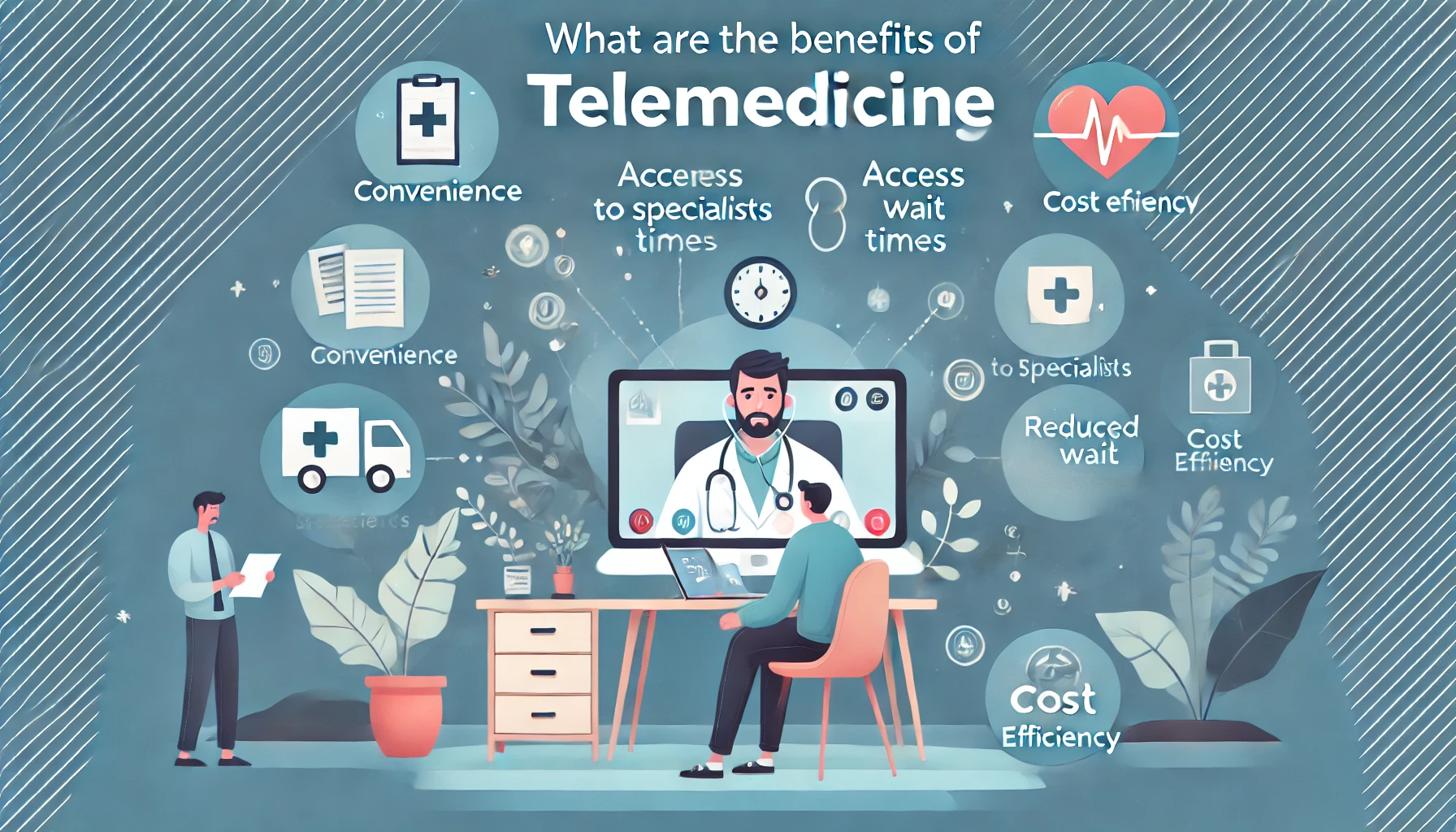
Telemedicine helps you see a provider faster, reduce travel time, and manage common health needs from home. Learn the benefits, best use cases, and limitations in 2026.
Telemedicine (also called telehealth or virtual care) lets you connect with a licensed provider by video, phone, or secure messaging.
In 2026, it’s no longer a “nice-to-have”—it’s a practical way to handle everyday healthcare needs without the friction of long waits,
commuting across town, or taking half a day off work for a quick visit. The biggest benefit is simple: you get care sooner for the issues that
can safely be handled remotely, and you save time when the solution is advice, a treatment plan, or a follow-up.
Telemedicine is especially helpful when you need guidance fast: symptoms that are uncomfortable but not emergent, minor infections,
medication questions, follow-ups after a recent visit, or behavioral health check-ins. It also supports families managing childcare logistics,
caregivers coordinating care for parents, and busy professionals who need a predictable way to access care without disrupting the whole day.
If you’re searching for care near me, telemedicine is often the quickest path to a qualified provider—without the drive.
Telemedicine is a clinical visit delivered remotely. You can speak with a provider, answer questions, show visible symptoms (like rashes),
and receive a plan—sometimes including prescriptions when clinically appropriate and allowed by platform rules and state regulations.
Telemedicine is not designed to replace emergency care, and it can’t do everything an in-person clinic can do (like labs, imaging, or physical procedures).
Common visit formats
Video visits: best when a provider needs to see symptoms or assess nonverbal cues.
Phone visits: useful for straightforward questions or follow-ups when video isn’t available.
Secure messaging: ideal for guidance, clarifications, or plan adjustments.
Why it’s valuable in 2026
Faster access: shorter time to talk with a clinician for appropriate issues.
Lower friction: no travel, no waiting room, less schedule disruption.
Care continuity: easier follow-ups and medication check-ins.
Key benefits of telemedicine
The biggest wins are speed, convenience, and access—especially for follow-ups and common non-emergency care needs.
Telemedicine benefits and why they matter
Benefit
What it means
Who it helps most
How to get the best result
Faster access to care
Connect with a provider sooner for appropriate concerns
Busy families, commuters, caregivers
Have symptoms timeline, meds list, and pharmacy preference ready
Telemedicine works best when a provider can safely evaluate your symptoms by history and visual assessment, and when the decision is a treatment plan,
supportive care, or a referral. Common reasons people use telemedicine include:
Common infections and minor symptoms: sinus issues, mild respiratory symptoms, sore throat guidance (when appropriate), minor skin issues.
Allergies and seasonal problems: flare-ups, medication guidance, and treatment adjustments.
Medication questions: side effects, interactions, and plan changes based on how you’re responding.
Follow-ups: checking progress after an in-person visit or urgent care episode.
Mental/behavioral health check-ins: therapy sessions and ongoing support when available through your program.
Preventive guidance: lifestyle recommendations, screening planning, and “what should I do next?” clarity.
If you have a home thermometer, blood pressure cuff, pulse oximeter, or glucose meter, having those readings available can improve the visit quality.
Telemedicine limitations (know these before you book)
Telemedicine is powerful, but it’s not a replacement for physical exams, imaging, or urgent interventions. If a provider needs lab work, an X-ray,
hands-on assessment, or a procedure, you’ll be directed to in-person care. Telemedicine also depends on the quality of your connection and the accuracy of the information you provide.
Not for emergencies
If you have chest pain, severe shortness of breath, signs of stroke, severe bleeding, severe allergic reactions, or you feel unsafe,
call emergency services immediately. Telemedicine is designed for non-emergency evaluation and guidance.
Not for everything
Some concerns need hands-on care: severe injuries, symptoms requiring imaging/labs, complex abdominal pain, or worsening conditions.
Telemedicine can still be useful to triage and tell you the right next step quickly.
Privacy and “visit readiness” checklist
A great telemedicine visit is usually 80% preparation and 20% the call. Use this checklist so your visit is efficient and the provider has what they need:
Write down symptoms: when it started, what makes it better/worse, and any fever or pain scale.
List medications: include over-the-counter meds, supplements, and allergies.
Share history: relevant conditions, recent travel, recent exposures, and any prior similar episodes.
Plan next steps: ask “what would make this urgent?” so you know when to escalate care.
Telemedicine platforms and providers use privacy and security safeguards. You can still improve privacy by using your own headphones, avoiding public Wi-Fi, and taking the visit in a private space.
Telemedicine vs in-person: when to choose which
Use this as a practical decision guide. When in doubt and symptoms feel severe, choose urgent/emergency care.
Decision guide for virtual vs in-person care
Situation
Telemedicine is a good start when…
In-person care is better when…
What to do next
Minor illness symptoms
Symptoms are mild/moderate and you want guidance quickly
Symptoms are severe, worsening rapidly, or you need a physical exam
Start virtual; escalate if red flags appear
Skin issues
Rash is visible and you can share clear images/video
Rapid swelling, severe pain, signs of serious infection
Use telemedicine with photos; go in-person if urgent signs
Mental/behavioral health
You want ongoing sessions or check-ins
You feel unsafe or are in crisis
Virtual for routine care; emergency resources for crisis
Medication questions
You need guidance about side effects or adjustments
You have serious reactions or difficulty breathing
Virtual for routine questions; emergency care for severe reactions
Injuries
Minor concerns where advice helps determine next steps
Possible fractures, uncontrolled bleeding, severe pain
Tele-triage can help; go to urgent care/ER when needed
How to start (simple steps)
Enroll online: use the enrollment link on this page.
Create your profile: contact info, basic health background, pharmacy preference.
Choose visit type: video or phone depending on your issue and availability.
Prepare: symptoms timeline, medications, and a private space.
Follow the plan: confirm next steps and when to seek in-person care.
Telemedicine is remote care for appropriate conditions. Urgent care is in-person. Telemedicine can be a fast way to decide whether urgent care is necessary.
Can telemedicine prescribe medication?
Depending on the issue and applicable rules, providers may prescribe clinically appropriate medications. Some conditions or medication types may require in-person evaluation.
What should I have ready for a virtual visit?
Symptoms timeline, medication list, allergies, relevant medical history, and (if possible) vital readings like temperature or blood pressure.
Is telemedicine private?
Platforms use privacy and security safeguards. You can improve privacy by taking the visit in a private space, using headphones, and avoiding public Wi-Fi.
When should I skip telemedicine and get in-person care?
For severe symptoms, emergencies, serious injuries, or anything requiring hands-on evaluation, labs, or imaging. If you feel unsafe, seek emergency care immediately.
Important: Telemedicine is for non-emergency care. If you have severe symptoms or an emergency, call emergency services immediately.
Independent agency: Blake Insurance Group LLC provides educational information and enrollment routing. We are not a medical provider.
Privacy: Program availability, features, and rules may change. Use a private location and secure connection for sensitive visits.
benefits of telemedicine 2026, telehealth benefits for families, virtual doctor visits near me, telemedicine for urgent symptoms,
telemedicine mental health visits, telehealth follow up appointments, telemedicine privacy tips, when to use telemedicine vs urgent care,
online enrollment telemedicine, 24 7 virtual care, video visit benefits, reduce travel time telehealth