
Progressive Commercial Auto Insurance (2026): Quotes, Coverages, COI Requirements & Practical Tips
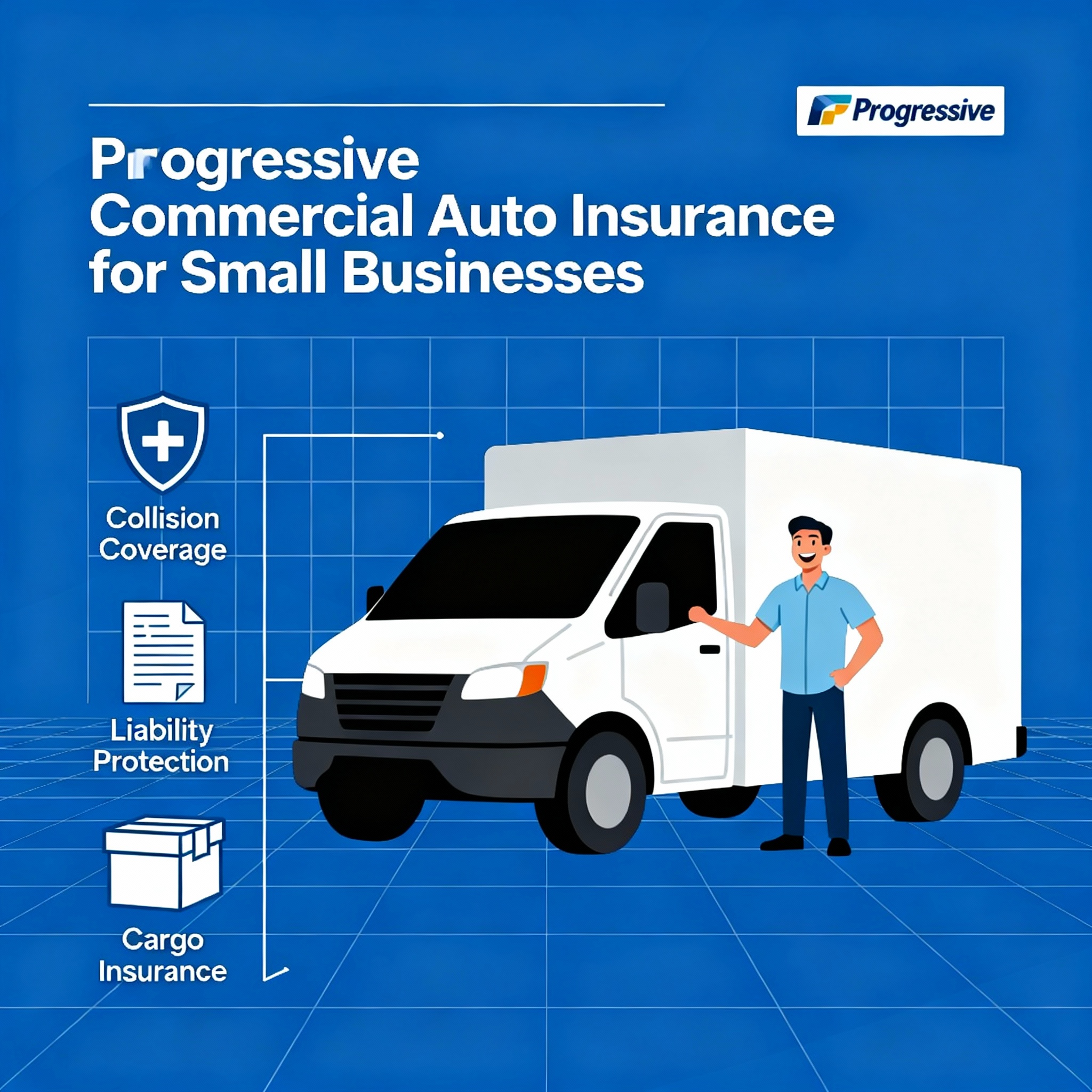
If your company relies on cars, vans, pickups, or box trucks, commercial auto coverage protects the people and vehicles that keep revenue moving. This 2026 guide explains what Progressive® commercial auto insurance commonly includes, how to match limits to contracts, how to avoid underwriting mistakes, and how to get fast proof for vendor onboarding. If you’ve been searching for a business auto agent near me, start with a quote request and we’ll help you build a clean, compliant setup.
Blake Insurance Group LLC is an independent insurance agency. That matters because commercial auto isn’t “one-size-fits-all.” The same pickup can be rated very differently depending on business class (contracting vs delivery), radius (local vs multi-state), garaging, driver history, and how you use the vehicle (tools/equipment haul, jobsite travel, customer deliveries, or transporting people). We standardize your baseline, compare options, and help you choose a policy design that fits your budget and your contracts.
Why many small businesses consider Progressive® commercial auto
Fits single vehicles and small fleets
Many trades and local service businesses start with one work truck and expand to multiple units. A scalable structure matters because adding drivers and vehicles should be clean and repeatable. We help you set a baseline that works now and still works when you add a second truck, hire new drivers, or change routes.
Contract-ready coverage design
Clients and property managers often require specific limits and wording. We align liability, hired/non-owned needs, and proof formats so your onboarding doesn’t stall. The fastest COI is the one that matches the contract the first time.
Independent comparison, not brand pressure
“Progressive” might be the right fit—or another carrier might price your class better. We compare options using the same inputs so you can choose based on price-to-protection, not marketing.
Clear next steps after a loss
Commercial claims move faster when your documentation is clean. We help you understand deductibles, how to document the scene, and how to reduce downtime (towing, rental, repair workflow) so one incident doesn’t disrupt operations longer than it has to.
Progressive® is a brand commonly considered for commercial auto. We are not affiliated with Progressive; we help businesses compare carriers and choose the best fit.
What commercial auto insurance can cover (2026 baseline)
Commercial auto typically starts with liability—because it protects your business when an at-fault accident causes injuries or property damage. Then you decide what protection you need for your own vehicles (comp/collision), your drivers (medical payments/PIP where applicable), and your work reality (employees driving personal cars, rented vehicles, trailers, or specialized equipment).
| Coverage | What it helps with | Best for | Common mistake to avoid |
|---|---|---|---|
| Auto liability | Injuries/property damage you’re legally responsible for; defense costs included per policy terms | Every business that uses vehicles | Choosing limits below contract requirements |
| Comprehensive | Theft, vandalism, weather, glass, animal strikes | Work vehicles you can’t replace quickly | Dropping comp while parking outside with tools/equipment exposure |
| Collision | Repairs after a crash (minus deductible) | Financed/leased units and higher-use vehicles | Setting an unaffordable deductible that delays repairs |
| Uninsured/underinsured motorist | Protection when the other driver lacks enough insurance (where available) | Businesses with drivers on congested routes | Assuming the other driver always has enough coverage |
| Medical payments / PIP | Medical expenses for occupants (structure varies by state) | Teams transporting crew or passengers | Ignoring the occupant injury side of risk |
| Hired & non-owned auto | Liability when employees use personal cars for work or when you rent/borrow vehicles | Sales, mobile services, short-term rentals | Thinking your GL policy automatically covers autos |
| Trailer / scheduled equipment | Coverage for listed trailers and certain equipment exposures (by policy terms) | Contractors hauling tools/materials | Not scheduling values; assuming it’s “included” |
| Rental / towing | Downtime support (replacement transportation, towing help) | Single-unit businesses and time-sensitive operations | Skipping rental and then self-funding downtime |
Commercial auto is only one piece of business protection. If you need jobsite liability or property coverage, pairing commercial auto with a business policy can create cleaner compliance.
Limits & contract compliance (COIs, additional insured, waivers)
In commercial work, the policy is only “good” if it satisfies your contracts. Many vendor portals and property managers require proof of coverage before you can start a job. The most common requirement patterns involve higher liability limits, COI holder details, and endorsement wording. We help you verify requirements up front so you don’t bind the wrong limits and have to rewrite the policy later.
| Requirement | What it usually means | How we handle it | Fast tip |
|---|---|---|---|
| Liability limit (CSL) | Single combined limit for bodily injury + property damage | Quote the limit your contract requires (often $1M CSL) | Send the contract page that lists the limit |
| Certificate holder | The entity receiving proof (not the same as additional insured) | COI produced with correct legal name/address | Use the vendor portal wording exactly |
| Additional insured | Endorsement that extends certain liability protection to another party | Confirm which policy needs AI status (GL vs auto) and apply correctly | AI must be endorsed—COI alone may not be enough |
| Waiver of subrogation | Limits insurer recovery rights against the other party (by endorsement/terms) | Verify whether it’s required and if it can be added | Ask if waiver is required on auto, GL, or both |
| Hired/non-owned | Needed when employees drive personal cars for work tasks | Confirm usage and add the right endorsement/coverage form | Sales trips and errands count as business use |
The best COI experience comes from one thing: accurate requirements up front. Send your contract or portal checklist and we’ll match it the first time.
What affects cost & how to keep premium under control in 2026
Commercial auto pricing is driven by exposure (vehicle class, radius, usage), people risk (driver history and experience), and loss severity (repair costs and downtime). Premium also responds to your coverage decisions—limits, deductibles, and add-ons. The most profitable move isn’t “lowest premium.” It’s reducing total cost of risk: premium plus downtime plus out-of-pocket costs after a claim.
| Factor | Why it affects premium | Strong move | Risky move |
|---|---|---|---|
| Vehicle class & usage | Heavier classes and delivery-style use often rate higher | Classify usage correctly (service vs delivery vs for-hire) | Mislabeled usage that triggers re-quotes or claim friction |
| Driver history | Accidents/violations raise risk and reduce options | Use hiring standards and training; review MVR expectations | Adding high-risk drivers without planning for premium impact |
| Radius & territory | More miles and dense metros increase exposure | Right-size radius; park in secure, well-lit locations | Understated radius that later has to be corrected |
| Limits & deductibles | Higher limits cost more; deductibles affect premium and cash flow | Match contracts; set deductibles you can pay today | Unaffordable deductibles that delay repairs |
| Loss history | Prior claims can affect eligibility and price | Document repairs/mitigation; tighten driver policies | Ignoring repeat causes (backing, distracted driving) |
| Payment structure | Fees and installment structures can change total cost | Choose stable billing that fits cash flow | Late payments that risk lapse and continuity problems |
Documents & requirements to gather before you quote
The fastest commercial auto quote is the one built on complete inputs. Use this checklist so your quote is accurate and your COIs can be issued without delays.
| Item | Examples | Why it matters | Fast tip |
|---|---|---|---|
| Drivers | Names, DOBs, license numbers, years licensed | Driver eligibility and rating | Include all regular drivers up front |
| Vehicles | VINs, year/make/model, GVWR, vehicle use | Vehicle symbols/classification drive premium | VIN first = fastest quoting |
| Business details | Entity name, FEIN, years in business, operations | Correct business class + underwriting fit | Describe operations plainly (what you do daily) |
| Routes & radius | Local service radius, interstate, jobsite travel | Exposure and territory | Be realistic—understated radius causes rework |
| Loss history | Prior claims or loss runs when applicable | Eligibility and pricing | Have 3–5 years ready for multi-vehicle risks |
| Contract/COI requirements | Limits, holder info, AI wording, waiver wording | Prevents bind-and-fix rewrites | Upload the requirement sheet or portal screenshot |
How to get a Progressive® commercial auto quote (simple steps)
- Submit your intake: drivers, vehicles, radius, and required limits.
- We standardize and compare: Progressive® alongside comparable options when appropriate.
- Bind and issue proof: confirm billing preferences and COI details for onboarding.
We don’t guess on compliance. If you have a contract, send it—then we match the policy design to the requirement and reduce the chance of COI rejection.
Claims & risk tips that reduce downtime (and often reduce losses)
- Accident kit: keep a glove-box checklist for photos, witness info, and driver statements—clean documentation speeds claims.
- Driver policy: no handheld devices; confirm backing procedures; document training for new hires.
- Vehicle maintenance: track inspections, tires, lights, and brakes—preventable issues create expensive losses.
- Secure parking: fenced lots, lighting, and dash cams can reduce theft/vandalism exposure and help investigations.
- Downtime plan: review rental/towing options so one incident doesn’t stop operations longer than necessary.
Your best risk control is consistency: consistent driver standards, consistent maintenance, and consistent reporting when incidents happen.
Service areas: where we help most with commercial auto
We support small businesses and growing fleets across major metros. If you operate locally or run multi-city routes, we’ll tailor the quote to your actual radius and garaging locations.
| City/Metro | Businesses we often help | What we focus on |
|---|---|---|
| Phoenix / West Valley | Contractors, mobile services, light fleets | Contract limits + COI accuracy + deductible strategy |
| Tucson / Southern AZ | Service vans, delivery, seasonal routes | Radius accuracy + driver structure + downtime planning |
| Dallas / Houston | Trades and growing fleets | Fleet consistency + hired/non-owned needs |
| Los Angeles | Higher-density routes | Territory exposure + liability limits aligned to contracts |
Progressive® commercial auto insurance FAQs (2026)
Do I need commercial auto if I use a personal vehicle for work?
If a vehicle is used for business purposes, a personal auto policy may not match the exposure. Many businesses need commercial auto, or at least hired/non-owned protection for employee vehicles. The right structure depends on how the vehicle is used and what your contracts require.
What liability limits should a small business carry?
Many contracts require higher limits than state minimums, commonly expressed as a combined single limit (CSL). The right limit is the one that satisfies your contracts and protects your business assets. We’ll quote limits that match your onboarding requirements.
How fast can I get a certificate of insurance (COI)?
Often the same day after binding when holder details and wording are provided correctly. Send the certificate holder name/address and any additional insured or waiver wording required by the contract.
Can I cover rented vehicles or employees’ cars used for errands?
This is where hired and non-owned auto liability is commonly used. If employees use personal cars for business errands or you rent vehicles, tell us up front so the coverage matches your real operations.
How do I lower premium without creating a coverage gap?
Keep limits contract-ready, then manage premium through deductibles you can pay today, accurate classification (service vs delivery), driver standards, secure parking, and consistent maintenance. Cheap becomes expensive when the policy doesn’t match the exposure.
Independent agency: Blake Insurance Group LLC is an independent insurance agency and is not affiliated with any single carrier.
Licensing: Licensed insurance producer (NPN 16944666).
Important: Eligibility, limits, deductibles, endorsements, discounts, and coverage availability vary by carrier, state, vehicle class, business operations, and driver profile and can change. Your issued policy governs coverage.
Trademarks: Progressive® is a trademark of its respective owner. Use of the name is for identification only and does not imply affiliation or endorsement.




