General Liability Insurance: Coverage, Certificates, LLC Protection, Business Contracts, Claims, and Online Quote Options
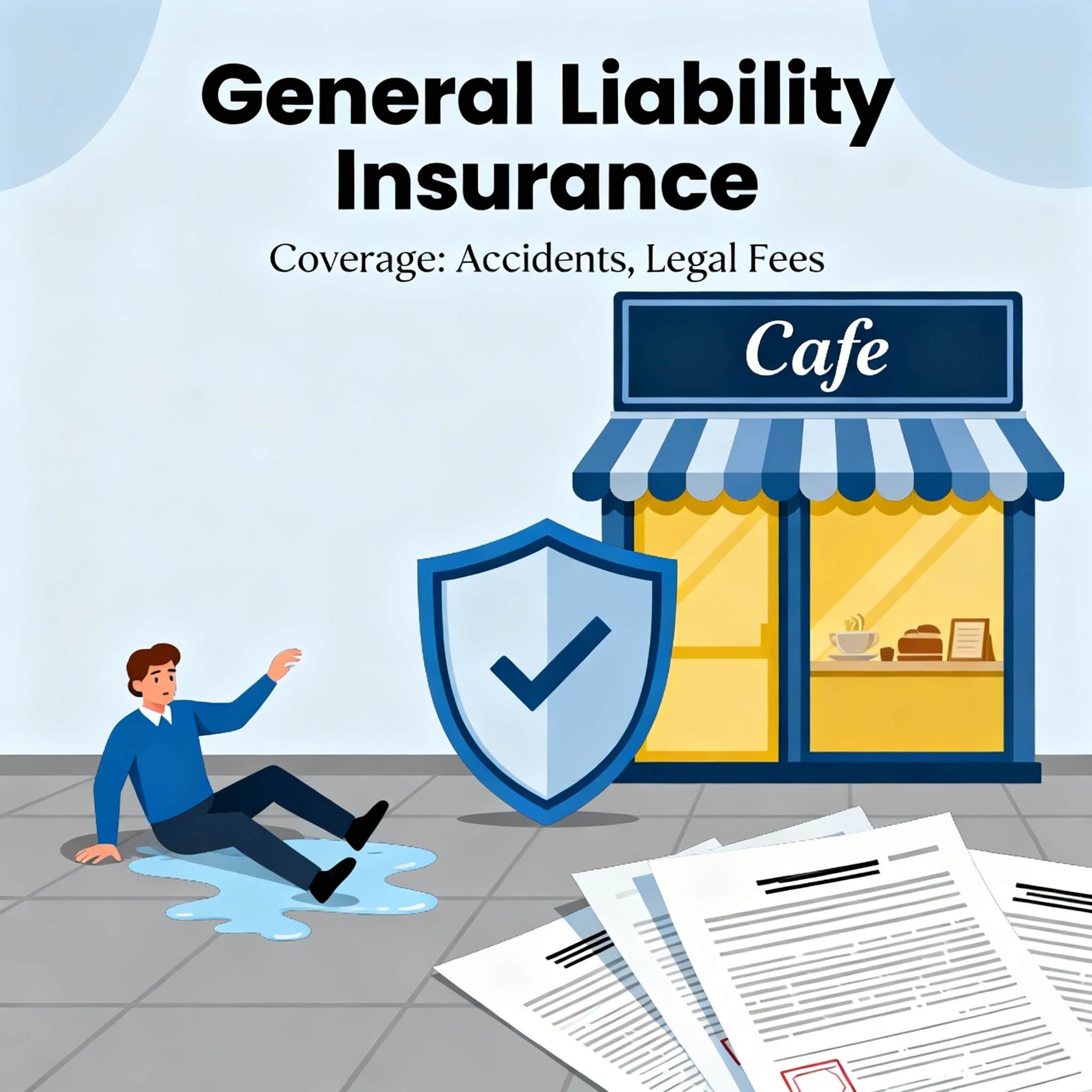
General liability insurance is one of the most important coverage starting points for small businesses, contractors, LLCs, consultants, self-employed professionals, retail shops, cleaning companies, landscapers, mobile service providers, online sellers, and local service businesses. In 2026, many business owners need liability insurance not only for protection, but also to satisfy contracts, commercial leases, vendor applications, project requirements, certificate requests, landlord rules, and client onboarding standards.
A single accident can create a major financial problem. A customer may slip in your office. A contractor may damage a client’s floor, wall, driveway, pipe, fixture, or equipment. A vendor may ask for proof of coverage before approving your business. A landlord may require a certificate before handing over keys. A project owner may require additional insured wording before allowing work to begin. General liability insurance helps respond to covered third-party bodily injury, third-party property damage, personal injury, advertising injury, medical payments, legal defense, and certain completed operations claims, depending on the policy.
The most important point is that general liability is not one-size-fits-all. A handyman, IT consultant, photographer, food vendor, janitorial business, remodeler, marketing consultant, yoga instructor, pressure washing company, event vendor, beauty professional, personal trainer, online store, and general contractor may all need liability coverage, but they do not have the same risk. The policy should match the actual business activity, customer interaction, location, contract language, jobsite exposure, products sold, subcontractor use, tools, vehicles, and requested certificate wording.
Blake Insurance Group helps businesses compare online general liability quote options through the quote-and-buy platforms listed on this page. Depending on your business type, you may be able to start with NEXT Insurance, First Connect, or Coterie. Each option may have different appetite, eligible industries, underwriting questions, limits, endorsements, certificate capabilities, and policy availability. The goal is not simply to buy the cheapest policy. The goal is to buy coverage that fits your business operations, supports your contracts, and gives you a clear path to proof of insurance when you need it.
General liability insurance is often the foundation of a business insurance plan, but it does not replace workers’ compensation, commercial auto, professional liability, cyber liability, tools and equipment coverage, property insurance, or industry-specific coverage.
Quick snapshot: how general liability insurance works
General liability insurance helps businesses respond to covered third-party injury, property damage, legal defense, personal injury, advertising injury, and contract-related proof of insurance needs.
| Coverage question | What to review | Why it matters |
|---|---|---|
| Do customers visit you? | Office visits, retail traffic, appointments, events, classes, showrooms, or in-person service. | Slip-and-fall and injury claims can create medical bills, legal expenses, and settlement exposure. |
| Do you work at client locations? | Homes, offices, buildings, jobsites, venues, commercial spaces, and leased property. | Property damage claims are one of the most common reasons businesses buy liability coverage. |
| Do contracts require insurance? | Vendor agreements, landlord requirements, subcontractor agreements, project contracts, and client onboarding forms. | Proof of insurance may be required before work starts or payment is released. |
| Do you need certificates? | Certificate holders, additional insured requests, waiver of subrogation, primary noncontributory wording, and limits. | Missing certificate language can delay a lease, permit, vendor approval, or jobsite access. |
| Do you need other policies too? | Professional liability, workers’ comp, commercial auto, cyber, tools, property, product liability, or umbrella coverage. | General liability is important, but it does not cover every business risk. |
What does general liability insurance cover?
General liability insurance is designed for covered claims made by third parties, meaning people or organizations outside your business. The policy may help with legal defense, settlements, judgments, medical payments, and related claim costs when the claim falls within the policy terms. Typical coverage areas include bodily injury, property damage, personal injury, advertising injury, products-completed operations, and damage to premises rented to you.
For example, if a customer trips over equipment at your business location, general liability may help with covered medical and legal costs. If your employee accidentally damages a client’s property while performing work, the policy may help respond to the claim. If a completed job later causes covered property damage, completed operations coverage may become important. If your advertising results in a covered personal or advertising injury allegation, your policy may help with defense, depending on the facts and exclusions.
| Coverage area | What it may help cover | Business review point |
|---|---|---|
| Bodily injury | Covered third-party injuries, medical payments, defense costs, and related claim expenses. | Important for customer-facing businesses, contractors, retail locations, events, and service providers. |
| Property damage | Covered damage to someone else’s property caused by your business operations. | Important for contractors, repair businesses, cleaners, installers, delivery services, and onsite work. |
| Personal injury | Certain covered allegations such as libel, slander, or reputational harm. | Review exclusions and business activities that may affect coverage. |
| Advertising injury | Certain covered advertising-related allegations tied to business marketing. | Important for businesses using websites, ads, social media, branding, or published content. |
| Products-completed operations | Certain claims after products are sold or work is completed. | Important for contractors, makers, installers, retailers, food vendors, and product-based businesses. |
| Damage to rented premises | Certain covered damage to premises rented by the business. | Review lease requirements, landlord limits, exclusions, and certificate wording. |
A certificate of insurance proves a policy exists, but it does not rewrite the policy. Limits, exclusions, endorsements, covered operations, and policy wording still control the actual coverage.
Who needs general liability insurance?
General liability insurance is useful for many businesses because most businesses interact with clients, customers, property owners, landlords, vendors, venues, homeowners, subcontractors, suppliers, or the public. Even a small business with no storefront may need liability coverage if it signs contracts, visits client locations, sells products, rents space, attends events, works on jobsites, leases equipment, advertises online, or needs a certificate of insurance.
Businesses often search for “general liability insurance near me” when they need coverage quickly for a contract, landlord, vendor portal, event booth, construction job, cleaning account, delivery agreement, consulting project, or licensing requirement. Online quote platforms can be helpful because they allow many business owners to start an application, answer underwriting questions, compare options, and request proof of coverage without waiting days for a paper application.
| Business type | Common exposure | Coverage focus |
|---|---|---|
| Contractors and trades | Client property damage, jobsite injuries, completed operations, subcontractor documentation, and certificates. | General liability, tools, workers’ comp, commercial auto, and umbrella review. |
| Consultants and professionals | Client meetings, office visits, presentations, leased space, and contract requirements. | General liability plus professional liability when advice or services create E&O exposure. |
| Retail and product sellers | Customer visits, product-related injury allegations, vendor requirements, and rented premises. | General liability, product liability, property, business income, and cyber review. |
| Cleaning and maintenance businesses | Property damage, slip hazards, lost keys, customer premises, and employee work locations. | General liability, janitorial bond, workers’ comp, commercial auto, and inland marine. |
| Event vendors and mobile businesses | Venue requirements, public interaction, booth setups, food or product sales, and certificates. | General liability, product liability, event-specific requirements, and additional insured wording. |
| Health, beauty, fitness, and personal services | Client injury allegations, rented rooms, studios, product sales, and appointment-based operations. | General liability plus professional, abuse/molestation, product, or specialty coverage when needed. |
Certificates of insurance, additional insured wording, and contract requirements
A certificate of insurance, often called a COI, is one of the main reasons businesses buy general liability insurance. A client, landlord, project owner, vendor platform, municipality, school, property manager, homeowners association, condo board, general contractor, event organizer, or commercial tenant may ask for proof of coverage before allowing work to begin. The certificate usually lists the insured business, carrier, policy number, effective dates, limits, and certificate holder.
The details matter. Many contracts do not simply ask for “proof of insurance.” They may require specific limits, additional insured status, waiver of subrogation, primary and noncontributory wording, completed operations additional insured, per-project aggregate, umbrella limits, or notice language. Some quote platforms can issue certificates quickly, but not every policy can satisfy every endorsement request. When a client gives you written insurance requirements, review them before buying coverage so you do not end up with a policy that is affordable but unusable for the contract.
| Requirement | What it means | What to do before buying |
|---|---|---|
| Certificate holder | The person or organization requesting proof of insurance. | Get the exact legal name and mailing address from the contract or requester. |
| Additional insured | The requester wants to be added to your liability policy for certain covered claims. | Confirm whether the policy can provide the required endorsement. |
| Waiver of subrogation | The requester wants the insurer to waive certain recovery rights after a covered claim. | Ask whether the endorsement is available and whether extra premium applies. |
| Primary noncontributory | The requester wants your policy to respond first for certain claims, without contribution from theirs. | Confirm wording availability before binding coverage. |
| Required limits | The contract may require $1M/$2M, higher limits, umbrella, or project-specific limits. | Match the requested limits to the quote before accepting the job. |
| Completed operations | The requester wants coverage to apply after work is completed, where available. | Review the trade, policy form, completed operations limit, and exclusions. |
Common general liability insurance gaps that create problems
Many business owners assume general liability insurance covers every business risk. It does not. General liability is important, but it usually does not cover employee injuries, business-owned vehicles, professional mistakes, cyber incidents, damage to your own tools, intentional acts, employment disputes, most contract penalties, or every product-related exposure. Those risks may require separate policies or endorsements.
Another common gap is buying coverage under the wrong business description. If your application says you perform consulting work, but you also install equipment, perform repairs, use subcontractors, clean commercial buildings, sell products, or do construction-related work, the policy may not match your real exposure. Accurate operations, revenue, payroll, subcontractor costs, locations, and client requirements help underwriting place the right coverage.
| Gap | Why it happens | Smart review step |
|---|---|---|
| Professional errors not covered | General liability focuses on bodily injury, property damage, and certain personal/advertising injury claims. | Review professional liability or E&O if you provide advice, design, consulting, or technical services. |
| Employee injuries excluded | Employee injury claims are generally handled through workers’ compensation, not general liability. | Review workers’ comp before hiring employees, part-time help, or regular labor. |
| Commercial auto missing | Business vehicle use is not the same as premises and operations liability. | Review commercial auto for owned trucks, vans, delivery vehicles, trailers, and employee driving. |
| Tools and property uninsured | General liability protects against third-party claims, not your own stolen tools or business property. | Review inland marine, tools and equipment, business property, or BOP options. |
| Wrong classification | The quote does not fully match the real work performed. | Disclose all operations, locations, subcontractor use, products, and higher-risk activities. |
| Certificate wording unavailable | The policy cannot provide the exact endorsement wording requested by a client. | Send the written contract insurance section before binding coverage. |
What affects general liability insurance cost?
General liability insurance cost depends on the business type, industry, revenue, payroll, location, years in business, claims history, coverage limits, deductibles, subcontractor use, customer interaction, products sold, jobsite exposure, requested endorsements, and whether the policy is packaged with other coverage. A low-risk consulting business may price differently than a contractor, restaurant, fitness business, cleaning company, retailer, manufacturer, event vendor, or product seller.
Price should not be reviewed by itself. A cheaper policy may not help if it excludes your actual work, cannot issue the certificate wording you need, omits completed operations, does not fit your contract, excludes your product exposure, or leaves out other coverage you need to operate. For many businesses, the better question is: “Will this policy help me pass contract review, satisfy the certificate holder, and respond to the claims my business is most likely to face?”
| Cost factor | Why it changes pricing | What to prepare |
|---|---|---|
| Business type | Different industries have different injury, property damage, product, and completed operations risk. | Clear description of all services, products, and operations. |
| Revenue and payroll | Higher activity can increase exposure and rating basis. | Annual revenue, owner payroll, employee payroll, and subcontractor cost. |
| Location and premises | Retail spaces, offices, warehouses, leased premises, and client locations create different exposures. | Business address, square footage, lease requirements, and customer traffic details. |
| Claims history | Prior claims may affect eligibility, pricing, and underwriting review. | Dates, causes, payouts, and corrective actions for prior claims. |
| Limits and endorsements | Higher limits and special wording can affect pricing and carrier availability. | Contract insurance requirements, certificate holder details, and requested endorsements. |
| Package options | Some businesses may need a BOP, property, cyber, professional liability, tools, or umbrella coverage. | List of assets, tools, computers, inventory, leased space, vehicles, and client requirements. |
Quote and buy general liability insurance online
Blake Insurance Group helps small businesses compare online quote options for general liability insurance and related commercial coverage. The quote path that works best depends on your industry, business size, location, certificate deadline, contract requirements, and whether you need other policies such as professional liability, workers’ compensation, tools and equipment, cyber liability, property, or commercial auto.
Before starting an online quote, gather your legal business name, DBA, business address, website, industry, description of operations, annual revenue, payroll, number of owners, number of employees, subcontractor cost, prior claims, requested effective date, current insurance information, desired limits, and any written contract requirements. If a landlord, client, vendor platform, general contractor, property manager, municipality, or event organizer gave you an insurance requirement, keep that document nearby while quoting.
Coverage is not bound until the application is completed, underwriting requirements are satisfied, payment is accepted where required, and the insurer confirms the policy effective date.
General liability insurance FAQs
Is general liability insurance required by law?
General liability insurance is not required by one single federal rule for every business, but it is often required by contracts, landlords, clients, vendor platforms, municipalities, event organizers, and project owners. Some industries or local rules may also require proof of coverage before licensing, permitting, or jobsite access.
What does general liability insurance cover?
General liability insurance may help with covered third-party bodily injury, third-party property damage, personal injury, advertising injury, medical payments, legal defense, and certain products-completed operations claims. Coverage depends on the policy form, exclusions, limits, endorsements, and business operations.
Does general liability insurance protect my LLC?
An LLC can help separate business and personal legal identity, but it does not replace insurance. General liability insurance helps the business respond to covered claims, defense costs, settlements, or judgments. LLC protection and insurance protection are different tools and should be reviewed together.
Does general liability cover professional mistakes?
Usually not. Professional mistakes, bad advice, missed deadlines, design errors, negligence in professional services, or failure to deliver promised professional work may require professional liability or errors and omissions insurance.
Can I get a certificate of insurance online?
Many online platforms can issue certificates after coverage is bound. Before buying, confirm whether the policy can meet the exact limits and endorsements requested by the certificate holder, including additional insured, waiver of subrogation, primary noncontributory, or completed operations wording.
Which quote option should I start with?
Start with the platform that best fits your business type, certificate deadline, and coverage need. NEXT, First Connect, and Coterie may each be useful depending on the industry, underwriting eligibility, available limits, endorsements, and quote path.
Independent agency: Blake Insurance Group LLC is an independent insurance agency and is not affiliated with any single insurance company, quote platform, landlord, vendor portal, contractor, municipality, certificate holder, or government agency.
Licensing: Licensed insurance producer (NPN 16944666).
Important: General liability insurance availability, eligibility, premiums, limits, deductibles, endorsements, certificate wording, underwriting approval, online quote availability, claim outcomes, and policy terms vary by business, state, industry, insurer, policy, location, contract, and operations. Your issued policy, endorsements, exclusions, declarations, applicable law, and signed contracts govern your obligations and coverage. This page is general information only and is not legal, tax, accounting, licensing, risk-management, or claims advice.
Trademarks: NEXT Insurance®, First Connect®, Coterie Insurance®, and any carrier, quote platform, trade, city, state, or program names are trademarks™ or registered® trademarks of their respective owners. Use of these names does not imply affiliation or endorsement.




