Rideshare Insurance in Phoenix, AZ (2026): Close the App-On Gap for Uber, Lyft & Delivery Driving
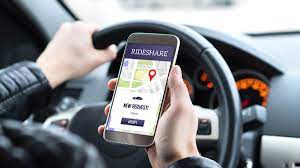
Phoenix is a high-mileage, year-round driving market—airport runs, event nights, and long freeway corridors (I-10, I-17, US-60, Loops 101/202) can add up fast. When you’re driving rideshare or delivery, the biggest risk isn’t just accidents—it’s coverage changing the moment your app turns ON.
Here’s the truth drivers learn the hard way: many standard personal auto policies treat rideshare and delivery as business use. Platforms like Uber and Lyft provide their own coverage layers during certain stages of a trip, but those layers are designed around the platform’s rules and often come with conditions, deductibles, and proof requirements. The job in 2026 is to build a plan that stays consistent across your real workflow: app off → app on waiting → en route → passenger/package in the car → back to personal driving.
Why Phoenix drivers need rideshare insurance (not just “more insurance”)
Rideshare and delivery driving multiplies exposure. More time on the road means more chances for a claim—especially around Sky Harbor (PHX), downtown, Old Town Scottsdale, and the Valley’s busiest merges and frontage roads. But the real problem is mismatch: a personal policy may be priced and written for commuting and errands, while rideshare is treated as business activity.
Arizona law recognizes that mismatch and is built around the idea that drivers need insurance while logged into a TNC network and while providing rides. The most important practical takeaway for drivers: your personal policy isn’t automatically required to cover you while you’re logged in, unless it explicitly includes an endorsement for that use. The solution is to choose a policy structure that is clear on paper and clear at claim time.
How rideshare insurance works (the app periods that determine coverage)
Think in periods. Your status in the app determines what coverage layer should respond. This matters because the “app on, waiting” stage is where many drivers assume they’re protected when they’re actually in the grey zone. A rideshare endorsement is designed to smooth that transition and keep your policy from changing answers depending on whether you were waiting, driving to pick up, or actively transporting.
- Period 0: App OFF (personal driving).
- Period 1: App ON, waiting for a request (commonly the biggest gap).
- Period 2: Accepted request, driving to the pickup.
- Period 3: Passenger/package in the vehicle until drop-off.
The goal isn’t to memorize insurance jargon—it’s to avoid a claim delay caused by uncertainty about which period you were in. When coverage is built correctly, your documents match your driving pattern and your proof of insurance is easy to produce.
Coverage by app period (what your plan should do in Phoenix)
Use the table below as your simple checklist. The “right answer” is a plan that keeps liability and vehicle protection consistent when you move from personal time into app-on time—especially if you drive multiple platforms (Uber, Lyft, food and package delivery).
| App period | What’s happening | What should be in place | Phoenix driver note |
|---|---|---|---|
| Period 0 | App OFF (personal use) | Personal auto policy with accurate mileage and garaging | Keep limits strong enough for freeway exposure and multi-car pileups. |
| Period 1 | App ON, waiting for a request | Rideshare endorsement or a policy that explicitly covers logged-in time | This is where many denials happen—make sure the endorsement is shown on your documents. |
| Period 2 | Accepted request; en route to pickup | High liability + UM/UIM; comp/collision if you need your vehicle fixed fast | Airport pickups and downtown corridors increase frequency of low-speed impacts and sideswipes. |
| Period 3 | Passenger/package onboard until drop-off | Strong liability + UM/UIM; consider MedPay; keep deductibles workable | Document trip status with screenshots if anything happens—timing reduces claim delays. |
Coverages to consider (protect the car, protect the income)
The best rideshare setup is the one that matches your vehicle, your routes, and how much you rely on gig income. In Phoenix, it’s common to see frequent glass damage, theft exposure in certain areas, and long freeway mileage that increases the odds of a claim. Build your quote baseline with these priorities:
Most drivers don’t need “every add-on.” They need the right endorsement, the right limits, and a realistic plan for deductibles and downtime. That’s why quoting multiple carriers matters: definitions, endorsements, deductibles, and optional benefits vary widely.
What affects price in Phoenix (the levers that actually move your premium)
Pricing for rideshare drivers is still auto insurance at its core, but the rating is more sensitive to exposure. Carriers look at garaging ZIP code, vehicle repair cost, annual mileage, driving history, and the type of driving you do. In 2026, advanced safety systems can also raise repair bills—especially when windshield replacement requires recalibration.
You generally pay more if you drive a newer vehicle with expensive sensors, if you spend a lot of time in congestion-heavy zones, or if your driving pattern includes late nights and weekend peaks. You can often reduce cost by bundling renters/home, using safe-driver/telematics programs when they match your habits, and picking deductibles that make sense for your cash flow.
| Lever | How it helps | Smart approach |
|---|---|---|
| Bundling | Can reduce total household cost when paired with renters/home. | Compare total cost, not just the auto line—bundles can be the best net savings. |
| Telematics | May reward smooth driving and lower-risk patterns. | Use it if your routes and hours are consistent; avoid habits that trigger penalties. |
| Deductible planning | Lowers comp/collision premium. | Choose a deductible you can pay right away; don’t “save” $15/month to risk a $2,500 surprise. |
| Mileage accuracy | Prevents re-rating surprises. | Be realistic about annual miles—rideshare shifts add up quickly. |
| Vehicle choice | Lower repair cost can reduce premium. | For full-time drivers, consider total cost of ownership (repairs + insurance + downtime). |
Claims, glass & proof (how to avoid delays mid-shift)
Claims go faster when the “period” is clear. If there’s an incident, you want to show whether you were app off, waiting, en route, or on an active trip. That single detail reduces the back-and-forth that slows down repairs and payouts.
Best practice: once your policy is bound, download your digital ID cards and keep them accessible—proof is often requested quickly for airport pickups, lenders, and platform verification.
Serving Phoenix & nearby cities
Searching for rideshare insurance near me? We help drivers across the Valley choose endorsements and limits that match rideshare, delivery, and personal use in one coordinated plan.
- Phoenix, Scottsdale, Tempe, Mesa, Chandler, Gilbert
- Glendale, Peoria, Surprise, Avondale, Goodyear
- Queen Creek, San Tan Valley, Paradise Valley
- Anthem, Cave Creek, Fountain Hills
Related topics
Phoenix rideshare insurance FAQs (2026)
Is rideshare insurance required in Arizona?
If you drive for a transportation network company, you need coverage that applies while you’re logged into the app and while you’re providing rides. Many personal policies don’t automatically cover logged-in rideshare use unless an endorsement is added. The safest approach is to carry a rideshare endorsement (or a commercial policy if your driving pattern is full-time/high-mileage).
Does my personal auto policy cover me when the app is on?
Usually not by default. Personal policies commonly restrict “for-hire” or business use. A rideshare endorsement is designed to extend your coverage into app-on periods and reduce the chance of a coverage gap or claim delay.
What about food or package delivery (DoorDash, Instacart, etc.)?
Delivery can be treated differently than passenger rideshare depending on carrier rules. When quoting, list every platform you drive for so your policy matches your real work mix. If you run multiple apps and drive heavy mileage, commercial auto may be worth comparing.
How do glass claims work in Phoenix?
Comprehensive coverage typically responds to windshield damage subject to your deductible and policy terms. Because Phoenix drivers see frequent chips and cracks, consider a glass strategy that fits your budget—either a full-glass option (when available) or a deductible you can comfortably pay.
How fast can I get proof of insurance?
After coverage is bound, digital ID cards are typically available quickly so you can upload proof to your platform and keep it accessible for verification requests.
Independent agency: Blake Insurance Group LLC is an independent insurance agency and is not affiliated with any single insurance company.
Licensing: Licensed insurance producer (NPN 16944666).
Important: Coverage, limits, deductibles, eligibility, availability, and pricing vary by insurer and driver profile and may change. Policy forms and endorsements control. This page is general information, not legal advice.
Trademarks: Uber™, Lyft™, and all third-party names are trademarks™ or registered® trademarks of their respective holders. Use does not imply affiliation or endorsement.




