USAA Roadside Assistance Review (2026): What’s Covered, Towing Limits, Cost Factors, and Smart Alternatives
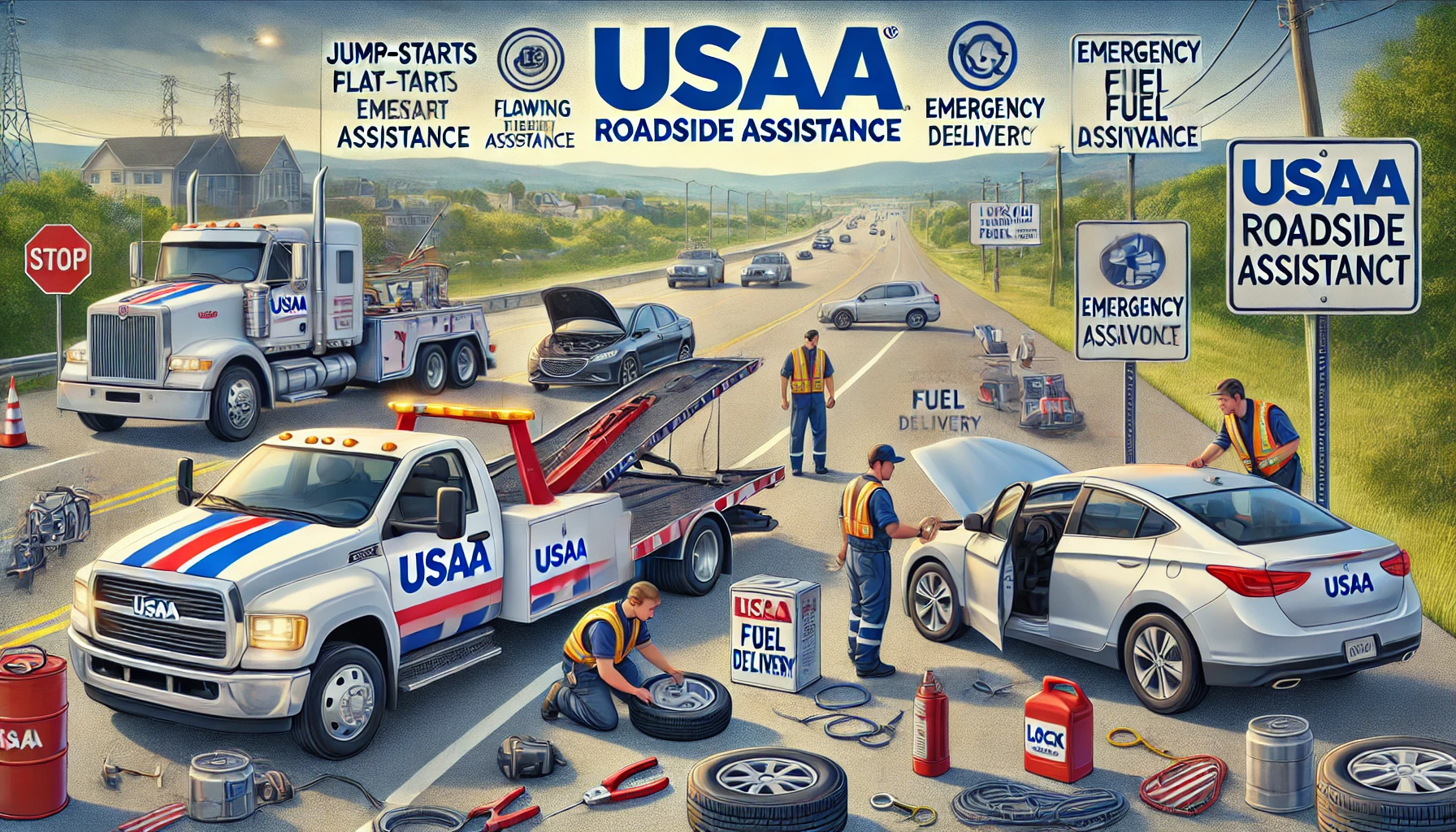
Roadside assistance is one of those add-ons that feels optional—until you’re on the shoulder with a dead battery, a flat tire, or a lockout at the worst possible time. For eligible military families and their households, USAA is often a first stop for auto coverage, and roadside assistance can be added as a convenience layer. The only way to judge whether it’s “worth it,” though, is to compare what’s actually included (towing, winching, fuel delivery, lockout help), the limits (towing miles, per-incident caps, call frequency rules), and your real driving pattern.
A practical expectation for many USAA-style roadside designs is a towing allowance that can be up to a set mileage (often around 50 miles), plus help with common events like jump starts, tire changes, lockouts, fuel delivery, and winching. Your exact limits can vary by state and policy—so we verify your towing miles and caps before you rely on the coverage.
What USAA-style roadside assistance typically covers
Roadside assistance is designed for common “can’t continue driving” events. The coverage is usually about dispatch and labor—not buying parts or upgrades. For example, a jump-start service is usually covered, but a brand-new battery is usually out-of-pocket. A tire change is usually covered if you have a usable spare, but replacing the tire is not the roadside program’s job.
| Service | What it usually includes | Member notes | What to verify |
|---|---|---|---|
| Towing | Tow to the nearest qualified shop or a destination up to a mileage allowance | Extra miles can be billed at a per-mile rate | Allowed miles, destination rules, per-incident cap |
| Jump-start | Battery boost at your location | Battery replacement is typically out-of-pocket | Labor limits, any “one per event” restrictions |
| Flat tire service | Install your usable spare | No spare = limited options; repairs are separate | Specialty wheels, multiple flats, off-road exclusions |
| Fuel delivery | Emergency fuel delivery to help you reach a station | You may pay for the fuel itself | Fuel type availability and service frequency |
| Lockout service | Vehicle entry assistance; locksmith when necessary | High-tech keys can create additional costs | Dollar cap and whether key replacement is excluded |
| Winching | Pull vehicle back onto a safe surface when stuck | Distance and complexity can be limited | Extraction limitations and whether multiple pulls are covered |
The limits that decide whether roadside is “good” or “frustrating”
Roadside is all about the fine print. Two plans can both say “towing included,” but one covers enough miles to reach your preferred repair shop while the other only covers a short tow. Before you choose any roadside package—USAA-style add-on or otherwise—verify these items so you’re not surprised on the shoulder.
Our recommendation: pick the roadside package that matches your actual routes (commute + weekend patterns) and your risk profile (older vehicle, long distances, trailer use). The cheapest add-on is only “cheap” if the limits work when you need them.
USAA roadside vs auto club vs OEM/card benefits: which fits your driving?
USAA-style roadside is a clean “one bill” option when you want convenience and modest towing protection. Auto clubs can be stronger for long-distance drivers and households that want higher towing tiers. Newer vehicles may have OEM roadside included for a limited period. Some credit cards also offer roadside benefits—but often with caps, co-pays, or reimbursement rules.
| Option | Best for | Strengths | Watch-outs |
|---|---|---|---|
| USAA-style policy add-on | Eligible members who want simple coverage bundled with auto | Convenient dispatch, single policy, straightforward add-on pricing | Confirm towing miles, caps, and destination rules |
| Auto club membership | Road-trippers and rural drivers who want higher towing tiers | Often offers higher towing tiers and multi-vehicle flexibility | Annual dues; plan tiers vary; read the fine print |
| OEM roadside program | Newer vehicles under warranty or certified programs | Convenient dealer network, often included initially | Time/mileage limits; coverage may end after warranty |
| Credit card benefit | Occasional users who want backup protection | Can be included with certain cards | Caps, co-pays, and reimbursement rules can apply |
What roadside costs in 2026: price factors and educational ranges
Roadside assistance pricing varies by provider and state, and it’s influenced by the towing tier, coverage caps, vehicle class, and how the program is structured (add-on vs membership). Use the ranges below for expectations, then verify the exact premium and limits for your ZIP during quoting.
| Path | Typical annual cost | Usually includes | Savings move |
|---|---|---|---|
| Policy add-on | Often ~ $10–$40 | Dispatch + basic services; towing up to a set limit | Choose limits based on your routes (urban vs rural) |
| Auto club plan | Often ~ $60–$140+ | Higher towing tiers and added membership perks | Household plans can be efficient for multi-driver families |
| OEM roadside | Often included during warranty window | Basic towing and lockout assistance | Add a policy add-on when warranty expires |
| Card benefit | Varies (included or pay-per-use) | Dispatch or reimbursement based on the benefit | Confirm caps and keep receipts |
How to use roadside assistance during a breakdown (fast + clean)
Speed matters, but so does avoiding extra charges. The fastest way to keep a roadside event from turning into a big bill is to confirm the tow destination and mileage before the truck moves your vehicle. Follow this checklist and you’ll reduce delays and surprises.
| Step | Do this | Why it matters | Pro tip |
|---|---|---|---|
| 1 | Get to a safe location, hazards on | Safety first—especially near high-speed lanes | If you’re in a dangerous spot, prioritize safety and call for help immediately |
| 2 | Pin your exact location | Accurate location speeds dispatch | Use mile markers, exits, or nearby businesses to reduce confusion |
| 3 | Request service using the program’s dispatch method | Using the intended dispatch path reduces reimbursement disputes | Have your vehicle details and destination preference ready |
| 4 | Confirm towing miles and destination before towing begins | This is where surprise charges happen | Ask: “How many miles are included, and what is the per-mile rate after?” |
| 5 | Save receipts and take photos | Helps with reimbursement or dispute resolution | Photo the invoice and the odometer/tow receipt details |
“Near me” help: where we commonly support roadside-enabled policy comparisons
We help drivers compare roadside-enabled policy options based on real routes, real towing needs, and real vehicle use—commuters, road-trippers, and families with multiple vehicles. If you regularly travel between metros or drive rural routes, towing miles and destination rules become the main decision point.
| Metros we frequently assist | Common roadside needs | Licensed states (selection) |
|---|---|---|
| Phoenix, Tucson, Dallas–Fort Worth, Austin, San Antonio, Houston, Miami | Battery/jump starts, flats, long-distance tows, lockouts | AZ, AL, TX, CA, NY, OH, FL, NC, VA, GA |
| Richmond, Charlotte, Detroit, Oklahoma City, Albuquerque, Omaha | Fuel delivery, towing destination planning, winter incidents | OK, NM, IA, KS, MI, NE, SC, SD, WV |
Related topics
USAA roadside assistance FAQs (2026)
Is USAA roadside assistance available to everyone?
USAA products are generally limited to eligible members and their households. If you’re unsure, we can help you compare roadside-enabled options from other providers that don’t require membership.
Does using roadside assistance count as a claim?
Roadside service calls typically don’t rate like collision claims, but frequent use can influence eligibility decisions with some programs. If you use roadside often, it’s smart to pick a plan with limits that match your usage.
How many miles of towing should I choose?
If you drive mostly urban routes, a modest tow limit can be enough. If you drive rural highways, travel frequently, or want to tow to a specific shop (not just the nearest facility), choose a higher towing allowance or a plan with stronger tiers.
Are trailers, motorcycles, or RVs covered?
Coverage varies by provider and program. Some roadside add-ons exclude certain vehicle types or require separate programs. Tell us what you drive or tow so we can match the right roadside design.
Does roadside cover parts like keys, batteries, or tires?
Most roadside programs cover dispatch and labor (unlock service, jump start, tire change with your spare). Replacement parts—new keys, a new battery, or a new tire—are usually separate costs.
Independent agency: Blake Insurance Group LLC is an independent insurance agency and is not affiliated with any single insurance company.
Licensing: Licensed insurance producer (NPN 16944666).
Important: Roadside assistance availability, towing limits, caps, exclusions, dispatch rules, and pricing vary by provider, policy, and state and may change. Your issued policy controls coverage.
Trademarks: USAA and other marks are trademarks™ or registered® trademarks of their respective holders. Use of them does not imply affiliation or endorsement.




