
Pit Bull Homeowners Insurance — How to Get Covered, Reduce Risk, and Save
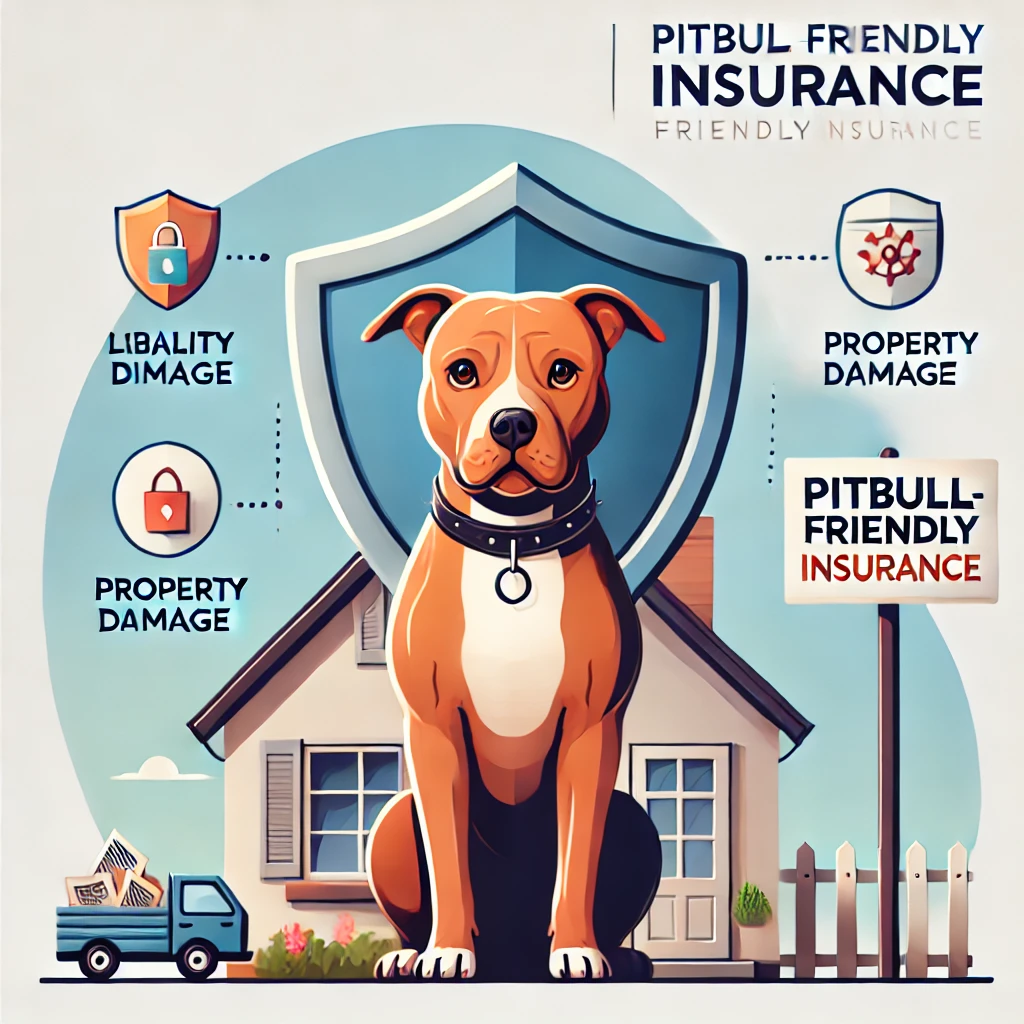
You love your dog—and you still need a homeowners policy that protects your home and satisfies your mortgage requirements. Some insurers apply special underwriting rules to pit bull–type dogs (based on breed label, mix, or appearance), while other programs focus more on history, containment, and safety practices. As an independent agency, Blake Insurance Group compares multiple carriers so you can keep your home covered and your household protected—often by pairing the right liability limits with practical risk controls and, when appropriate, a personal umbrella for added protection.
The “pit bull insurance problem” usually comes down to one of three issues: (1) an application asks about breed and flags it, (2) a policy includes an animal liability limitation you weren’t expecting, or (3) a carrier requires stronger safeguards before offering coverage. The good news: you can often improve your options by preparing the right documentation, choosing smart limits, and avoiding common mistakes that trigger declines or restricted coverage. This guide shows you the exact checklist we use to shop policies efficiently.
Coverage snapshot: homeowners + liability for dog incidents
| Part of policy | What it can cover | Limits to consider | Agent tip |
|---|---|---|---|
| Personal liability | Injury/property damage for which you’re legally liable, including many dog-related incidents depending on policy form. | $300k–$500k is common; higher limits may be available. | Ask if an animal liability sublimit applies. If it does, we’ll explore carriers or endorsements that better match your risk. |
| Medical payments | No-fault medical coverage for minor guest injuries (helps resolve small incidents early). | $1k–$5k typical. | Small med-pay can prevent minor injuries from escalating into a liability dispute. |
| Animal liability endorsement | Clarifies or extends coverage for dog-related liability (carrier-specific). | Varies by carrier/program. | Some programs exclude certain scenarios unless endorsed—this is where careful review matters. |
| Personal umbrella | Additional liability protection above home/auto (subject to underlying requirements). | Common layers: $1M–$5M. | Strong option if you host frequently, have regular visitors, or want extra peace of mind above your homeowners liability. |
The most important step is aligning your policy to your household reality. If you routinely host friends, have frequent deliveries, or your dog is around visitors, you want limits that can handle an expensive claim—not just the minimum that gets you “approved.” We also verify that your application answers match your household setup. Misstatements can cause headaches later.
Eligibility: what insurers may ask about your dog
Underwriting has become increasingly documentation-driven. Even in places where “breed lists” exist, many carriers still look at behavior, containment, training, and incident history. When a carrier asks questions, they’re trying to predict exposure and confirm you’re taking practical steps to reduce it. The goal is to answer accurately and present a complete, responsible profile.
| Topic | Why it matters | What to have ready | Agent tip |
|---|---|---|---|
| Dog profile | Age/size and basic history help carriers evaluate risk consistency. | Vet records, vaccination status, microchip info. | Current vaccines and a well-documented veterinary relationship are positive signals. |
| Training & socialization | Training demonstrates prevention and household control. | Obedience certificates, trainer contact, course dates. | Keep proof of classes; refresher training is useful if asked about behavior. |
| Bite/incident history | Past incidents are one of the largest underwriting factors. | Dates, circumstances, and corrective actions taken. | If an incident occurred, show remediation: training plan, containment upgrades, and rule changes. |
| Containment | Secure containment reduces roaming and surprise encounters. | Fence specs, gate latches, signage, crate/rest area plan. | Self-closing latches and clear household routines help prevent “door rush” situations. |
| Household exposure | High visitor frequency increases contact opportunities. | Guest rules, delivery drop zone, pet management plan. | Create a default “delivery protocol” (crate/room) and use it consistently. |
Bottom line: the cleaner and more complete your documentation, the easier it is to shop multiple carriers and find a policy that treats your situation fairly.
Ways to lower risk (and keep more carriers in play)
| Step | What to do | Impact | Proof to keep |
|---|---|---|---|
| Complete training | Basic obedience or CGC-style training; schedule refreshers. | Shows structured prevention and household control. | Certificates, trainer letter, course dates. |
| Improve containment | Upgrade/repair fencing, reinforce gates, add self-closing hardware. | Reduces roaming and surprise contact. | Photos, receipts, contractor invoice. |
| Manage greetings | Use a crate/room routine for parties, deliveries, and service visits. | Reduces high-energy encounters. | Written household rules; signage if needed. |
| Health & ID | Vaccines, spay/neuter where appropriate, microchip registration. | Improves underwriting profile and recovery outcomes. | Vet records, microchip confirmation. |
| Increase liability protection | Raise homeowners liability; consider an umbrella when eligible. | Protects assets if a claim becomes severe. | Declarations pages for home/auto/umbrella. |
One common misconception is that “I’ll just carry minimum liability and be fine.” Liability claims can be expensive—even when the incident is minor. Strong limits and good documentation help protect your finances and reduce coverage surprises. If you want the most predictable outcome, choose higher liability limits and keep your risk controls consistent.
Typical costs & common claim scenarios (and how to plan)
The premium impact of a pit bull–type dog varies by state, carrier appetite, and your full risk profile (home age/roof, claims history, location, and more). In some cases, the carrier may price normally if there’s no incident history and the household shows strong risk control. In other cases, you may see a restricted offering (like an animal liability limitation) unless an endorsement is added or an umbrella is paired.
| Scenario | What can happen | Coverage area to review | Planning tip |
|---|---|---|---|
| Guest injury | A visitor is injured during an interaction or a fall occurs during a greeting. | Personal liability + medical payments. | Use a consistent “greeting routine” and consider higher med-pay to resolve minor incidents faster. |
| Neighbor dispute | A conflict arises after an incident, even if injuries are minor. | Liability defense costs and settlement terms. | Document training and containment; keep a calm incident plan (photos, notes, timestamps). |
| Delivery/service visit | Unexpected contact during a delivery or contractor visit. | Liability wording and any animal limitations. | Crate/room protocol during service calls is one of the simplest controls you can implement. |
| High-severity claim | A serious injury allegation leads to a large demand. | Home liability limits + umbrella coordination. | Build a layered plan: strong homeowners liability first, then umbrella if eligible. |
Service areas and how we help
If you searched pit bull homeowners insurance near me, we can help by matching your situation to carriers that fit your state, your property profile, and your documentation. Our process is simple: confirm application questions, compare liability structures, flag any animal-related limitations, and help you choose a policy that protects both your home and your finances.
| Region | Examples of metro areas we support | What we do for dog-liability cases |
|---|---|---|
| Arizona | Phoenix, Tucson, Mesa, Chandler, Gilbert, Scottsdale, Glendale, Tempe | Verify liability limits, identify any animal sublimits, and structure quotes to satisfy mortgage requirements. |
| Texas | Dallas–Fort Worth, Houston, San Antonio, Austin | Compare multiple carriers and highlight endorsement and umbrella eligibility differences. |
| Florida & Southeast | Miami, Tampa Bay, Orlando, Atlanta, Charlotte | Review liability and visitor-exposure risks; confirm underwriting questions and documentation. |
| Midwest & Northeast | Detroit area, Columbus, New York metros | Align policy structure to property profile and help prevent avoidable declines from incomplete applications. |
When you’re ready, start the quote. If the application asks pet questions, answer accurately—then we’ll help you interpret the result and compare alternatives.
Related topics
FAQs
Will my homeowners policy cover incidents involving my pit bull?
Many policies include liability for dog-related incidents, but some may apply an animal sublimit or exclusion. We verify the wording and recommend endorsements or an umbrella if needed.
Do I have to switch carriers if my dog is a pit bull mix?
Not always. Some carriers underwrite more by history and controls than breed labeling. Training documentation, containment, and a clean incident record can expand options.
What liability limit should I choose?
Many homeowners choose $300,000–$500,000 and add an umbrella when eligible. If you host often or want extra protection, a layered plan can be a smart upgrade.
Will training or spay/neuter status help?
Often, yes. Proof of training, up-to-date vaccinations, and responsible ownership signals can help underwriting and reduce risk over time.
What if my city has special dog ordinances?
Local rules can affect how you manage risk. We’ll help you align your coverage approach with your household setup and the documentation carriers commonly request.
Disclosure: Blake Insurance Group LLC is an independent insurance agency. Coverage availability, endorsements, exclusions, limits, deductibles, discounts, and pricing vary by insurer and are subject to underwriting and change. This page provides general information and does not modify any insurance policy or contract. Final terms are determined by the issuing insurer. Trademarks and brand names belong to their respective owners.
Licensed insurance producer (NPN 16944666).




