Cheap RV Insurance (2026): Compare Quotes, Coverage Options & Real Ways to Save
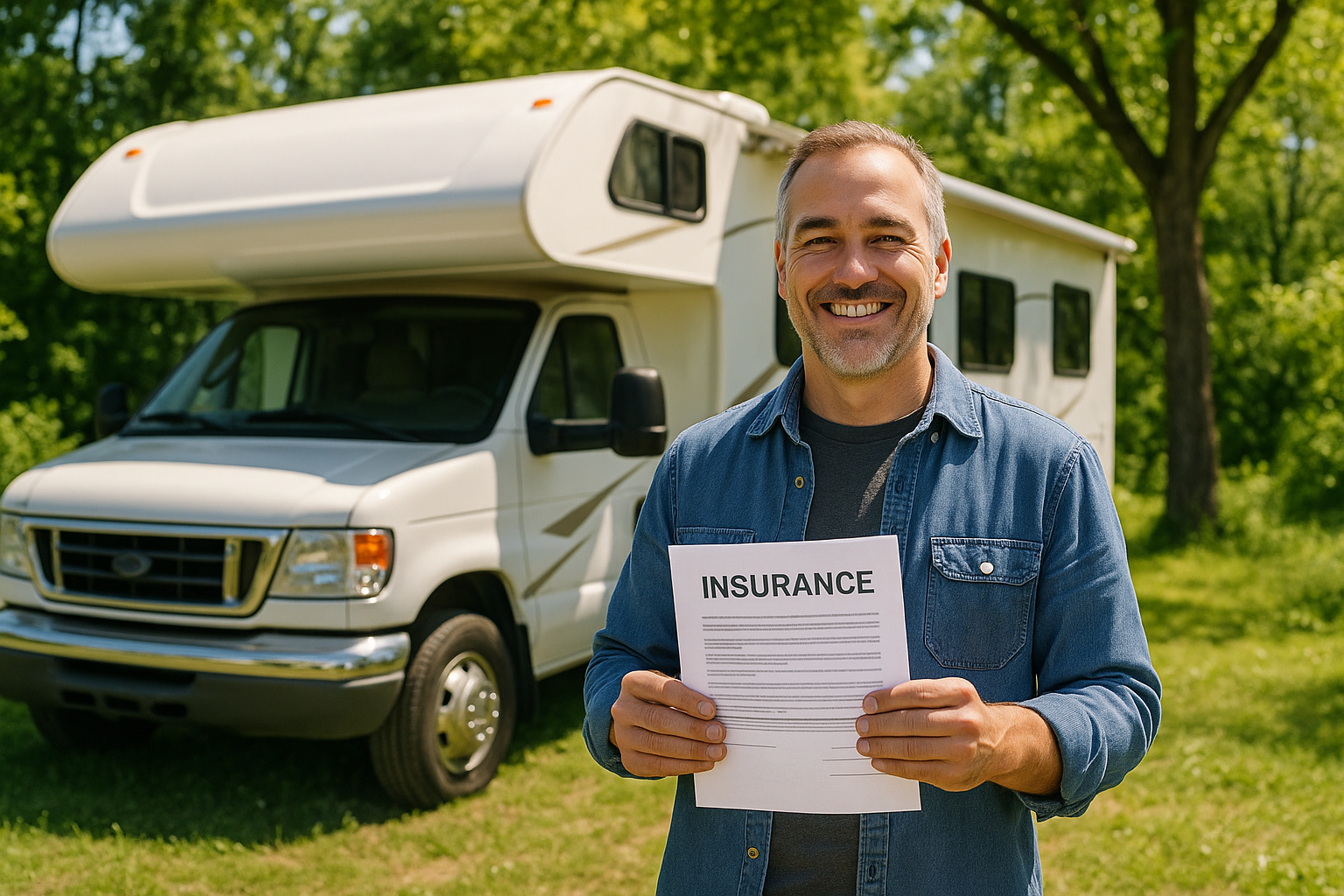
Looking for cheap RV insurance near me? The best “cheap” policy isn’t the one with the lowest first number—it’s the one that matches how you use your RV and keeps you stable at renewal.
RV insurance isn’t one-size-fits-all. A weekend travel trailer, a Class A motorhome, and a full-time fifth wheel can’t be priced or protected the same way. In 2026, the fastest path to lower RV insurance is to match the policy type to your usage (vacation, seasonal/snowbird, or full-timer), choose smart deductibles, and verify the endorsements that matter for your rig—like contents coverage, emergency expense, roadside/towing, and trip interruption. As an independent agency, Blake Insurance Group compares multiple RV options so you can keep strong protection for less.
Quick facts: what makes RV insurance “cheap” (without making it risky)
RV policies can include features that regular auto policies don’t. That’s where smart shopping pays off. “Cheap” comes from choosing the right usage form, maximizing discounts, and avoiding coverage gaps that cause expensive out-of-pocket losses later.
| Item | What it means |
|---|---|
| RV type matters | Motorhomes and trailers rate differently. Class A/B/C, fifth wheels, toy haulers, and travel trailers have different repair and liability profiles. |
| Usage is the biggest switch | Vacation-only, seasonal/snowbird, and full-timer policies are built for different exposures—misclassifying usage can create claim friction. |
| Liability is only half the story | Liability protects others. To protect your rig, you usually need comprehensive/collision (and the right deductibles). |
| Contents can be separate | Personal property inside an RV may not be automatically covered the way you expect—contents limits and options vary by carrier. |
| Roadside/towing is optional | Some policies include limited towing; others require a dedicated endorsement for full towing and trip interruption. |
Why independent RV insurance shopping is smarter in 2026
RV insurance is a combination of vehicle protection, liability strategy, and lifestyle fit. One carrier may be great for a weekend travel trailer, while another is better for full-time living or long-haul cross-country travel. Independent quoting helps you avoid paying for features you don’t need and helps you add the ones you do.
- We identify your true use: weekend trips, seasonal storage, snowbird months, or full-time living.
- We set a clean baseline: matching liability, deductibles, and key add-ons across quotes so the “winner” is real.
- We tune endorsements: contents, emergency expense, towing/roadside, vacation liability, and trip interruption.
- We help at claim time: so you’re not alone trying to interpret policy language on the side of the road.
Result: you spend less on the things that don’t matter to your RV lifestyle and invest in the protections that prevent downtime and big out-of-pocket losses.
Typical RV coverage options (what to compare)
Use the table below to build an apples-to-apples comparison. This is where most savings appear: you’ll see which coverages are included, which are optional, and which endorsements change the real-world value of the policy.
| Coverage | What it protects | Often included | Common enhancements |
|---|---|---|---|
| Liability | Injury/property damage you cause to others | Yes (required) | Higher limits; umbrella coordination |
| Collision & comprehensive | Your RV after a crash, theft, weather, fire, vandalism | Optional | Agreed value options (carrier-specific); deductible tuning |
| Contents / personal property | Belongings inside the RV | Varies | Higher limits for full-timers; scheduled items (carrier-specific) |
| Full-timer liability | Liability similar to homeowners exposure when RV is your primary residence | Optional | Broader liability packages depending on insurer |
| Vacation / seasonal use | Coverage tailored to limited use and storage periods | Varies | Storage-only options; “unoccupied” considerations |
| Emergency expense / trip interruption | Extra costs after a covered loss while traveling | Often optional | Higher limits for long trips or remote travel routes |
| Towing & roadside | Assistance, towing, and service calls | Limited/varies | Full towing packages; better trip interruption support |
Liability-only vs. full protection (how to choose the right “cheap”)
Some RV owners want the lowest possible premium; others want predictable repair costs. The correct choice depends on the value of your rig, whether you finance it, how often you travel, and how much downtime would cost you.
| Category | Liability-focused | Full protection | Best fit |
|---|---|---|---|
| What it covers | Damage/injury to others (not your RV) | Liability + comp/collision to repair or replace your RV | Owners deciding between lowest premium vs protecting the rig itself |
| When it’s “cheap-smart” | If the RV’s value is low and you can self-insure repairs | If financed/newer, higher value, or you travel often | Weekend trailers vs full-time or high-value rigs |
| Downside | You pay for RV repairs out-of-pocket | Higher premium | We balance deductibles and usage to control cost |
| Most important add-ons | Higher liability limits; towing/roadside if traveling | Contents, emergency expense, trip interruption | Pick add-ons that match your travel pattern |
Rule of thumb: if replacing your RV (or paying a major repair bill) would materially impact your finances, full protection with smart deductibles usually wins.
What affects RV insurance price (and how to bring it down)
RV insurance pricing depends on replacement cost, usage, storage, travel radius, claims history, and your chosen deductibles and limits. The good news: many cost drivers are controllable. The table below shows levers that commonly reduce premium without weakening the policy.
| Factor | How it impacts price | Best move |
|---|---|---|
| RV type & value | Higher-value rigs and complex repairs increase premium | Match deductibles to your emergency fund; insure contents realistically |
| Usage (full-time vs vacation) | Full-timer exposures typically require broader liability and contents | Choose the correct usage form—misclassification can backfire later |
| Storage & security | Secure storage lowers theft and weather exposure | Use covered/secured storage when possible; ask about anti-theft credits |
| Travel season & radius | More time on the road increases exposure | Be honest about travel plans; tune roadside and emergency expense to fit |
| Bundling | Multi-policy discounts can materially reduce total cost | Compare bundle vs separate to minimize overall household premium |
Coverage support in these regions (common travel profiles)
RV insurance is national by nature, but the risks aren’t. Weather, storage patterns, and travel season matter—so we tailor the policy to your typical route and home base.
| Region | Example focus | What we optimize |
|---|---|---|
| Phoenix, AZ | Desert heat, rooftop AC, storage exposure | Deductibles + roadside + seasonal storage options |
| Orlando, FL | Storm season planning | Comprehensive fit + emergency expense planning |
| Portland, OR | Rain, roadside needs | Roadside/towing + trip interruption structure |
| Denver, CO | Mountain roads, altitude stress | Liability strategy + roadside coverage quality |
| Minneapolis, MN | Winter storage and coverage changes | Storage-only options and seasonal usage fit |
| Boston, MA | Seasonal travel patterns | Vacation vs year-round forms and deductibles |
Get RV insurance quotes (built on the same baseline)
The quickest way to find a true “cheap RV insurance” winner is to compare policies built the same way. We start with your RV type, usage, storage, and travel frequency—then compare multiple options with the same liability targets and deductibles. You’ll see real tradeoffs, not mismatched quotes.
Privacy-first: information is used for quote purposes. Coverage is not bound until you approve final terms and the insurer issues the policy.
Related topics
Cheap RV insurance FAQs (2026)
Can I get cheap RV insurance without dropping important coverage?
Yes. The cleanest way is to pick the correct usage type (vacation, seasonal/snowbird, or full-timer), verify discounts, and tune deductibles. Dropping high-impact protections like towing/roadside or contents can create expensive out-of-pocket costs later.
What’s the difference between full-timer and vacation RV insurance?
Full-timer coverage is designed for RVs used as a primary residence and may include broader liability and contents approaches. Vacation/seasonal coverage is tailored to limited use and storage periods and can be more cost-efficient when the RV isn’t in constant use.
Do I need contents coverage for an RV?
If you keep meaningful personal property in the RV—electronics, tools, camping gear, kitchen items—contents coverage can be a major value add. Limits vary by carrier, so we confirm what’s included and adjust when your belongings exceed default amounts.
Is roadside assistance included in RV insurance?
Not always. Some policies include limited assistance, while others require an endorsement for full towing and trip interruption benefits. We confirm the towing scope so it matches your RV size and travel plans.
Can I keep insurance during storage months to save money?
Many insurers offer storage-oriented options that reduce premium while keeping protections like comprehensive (for theft/weather) when the RV is off the road. The right setup depends on where and how you store the RV.
Independent agency: Blake Insurance Group LLC is an independent insurance agency and is not affiliated with any single insurance company.
Licensing: Licensed insurance producer (NPN 16944666).
Important: Coverage, limits, deductibles, eligibility, availability, discounts, and pricing vary by insurer and customer profile and may change. Policy forms and endorsements control. This page is general information, not legal advice.
Trademarks: All product and company names are trademarks™ or registered® trademarks of their respective holders. Use does not imply affiliation or endorsement.




