Travel Medical Insurance • Pre-Existing Conditions • 2026
How Travel Insurance Handles Pre-Existing Medical Conditions
Pre-existing medical conditions don’t have to stop you from traveling—but they do change how travel insurance works. Most policies treat existing diagnoses differently from new illnesses, with look-back periods, stability requirements, and in some cases, special waivers. Knowing the rules before you buy helps you avoid surprises and claim denials.
Powered by GeoBlue / Blue Cross Blue Shield global solutions. Coverage subject to policy terms and eligibility.
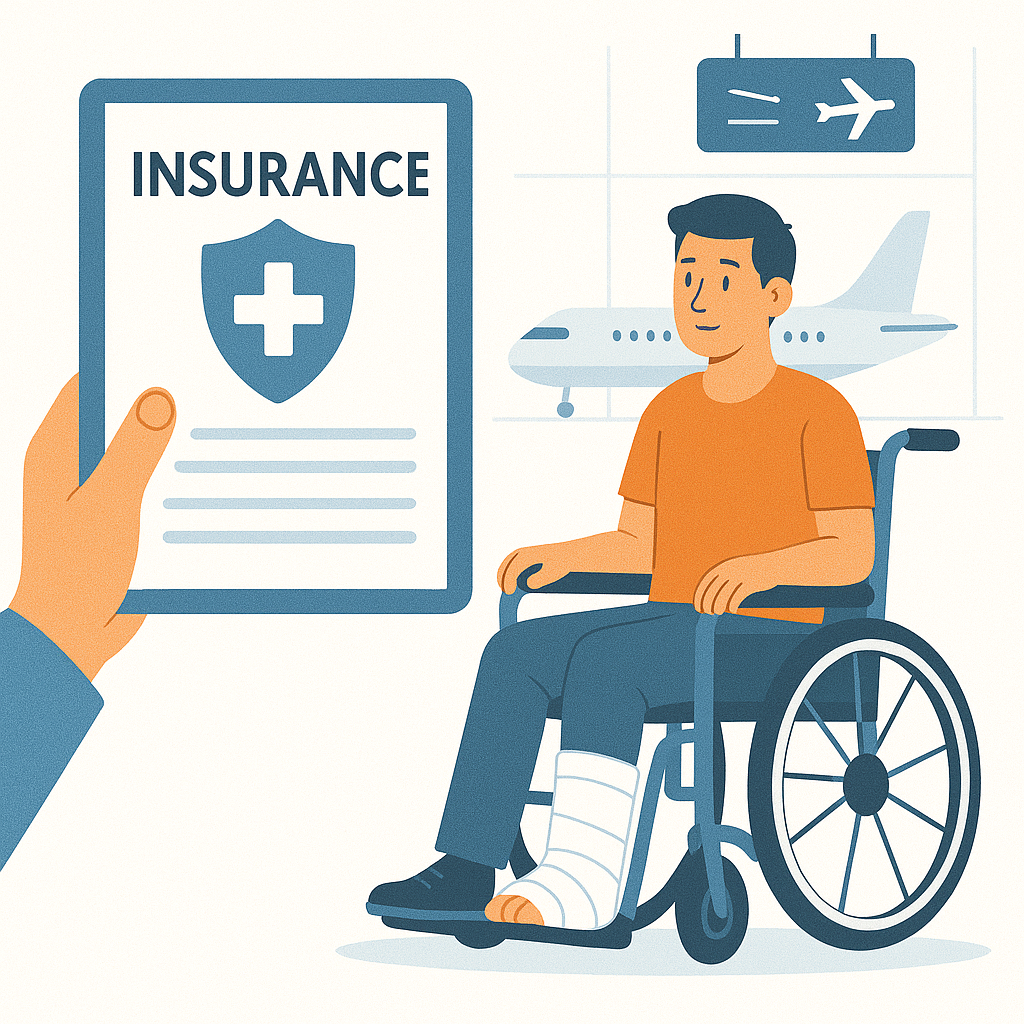
What is a pre-existing medical condition for travel insurance?
Every travel insurance policy has its own definition, but generally a pre-existing condition is:
Any illness, injury, or medical condition for which you received a diagnosis, had symptoms, took medication, or were advised to seek treatment during a defined period of time before you bought the policy.
This can include:
- Chronic conditions like diabetes, asthma, COPD, or heart disease
- Recent surgeries, hospitalizations, or ER visits
- New symptoms you told a doctor about, even if not fully diagnosed yet
- Changes in medications or treatment plans
Travel insurance doesn’t necessarily exclude you from buying coverage if you have these conditions—but it may limit or exclude claims that are directly or indirectly related to them, unless a waiver or special provision applies.
Look-back periods: how far back insurers review your history
A look-back period is the time frame before your policy’s effective date that insurers use to decide if something is pre-existing. Common look-back windows include:
- 60, 90, 180 days, or sometimes longer
- Applies to diagnosis, treatment, symptoms, or changes in medications
If your condition had changes or symptoms during that period, related claims may be considered pre-existing and excluded unless a waiver or special provision is in place.
Stability rules: when a condition may be covered
Some travel medical policies offer coverage for conditions that are considered “stable” for a certain length of time. Stability typically means:
- No new diagnosis, worsening symptoms, or hospitalizations during the defined time frame.
- No new prescriptions or significant dosage changes (except routine adjustments).
- No recommendation for surgery or new procedures that you have not yet done.
If your condition has been stable according to these rules, the plan may cover emergency complications related to it, even if it’s technically pre-existing. The exact wording is critical and varies by insurer.
Pre-existing condition waivers in travel insurance
Some travel insurance plans offer a pre-existing condition waiver if you meet certain requirements. While details vary by company, the general idea is that if you buy the policy early and insure your full trip cost (for trip plans), the insurer relaxes or removes the pre-existing exclusion for specified benefits.
| Requirement | What it usually means | What it can do for you |
|---|---|---|
| Purchase within a set time window | You must buy coverage within a specific number of days (for example, 10–21 days) of your first trip payment or booking. | Encourages early purchase so your condition is stable and known when coverage begins. |
| Insure full trip cost (for trip plans) | If your policy includes trip cancellation, you may need to insure 100% of your prepaid, non-refundable costs. | Prevents underinsuring your trip just to qualify for the waiver. |
| Medically able to travel at purchase | You must be well enough to travel on the day you buy the policy, based on your doctor’s assessment. | Helps ensure coverage is for unforeseen changes, not known imminent events. |
| Applies to specific benefits | Waivers may apply to emergency medical and trip cancellation, but not necessarily every line of coverage. | Improves protection for flare-ups of existing conditions that meet the waiver rules. |
Not every travel medical plan uses the “waiver” model—some simply rely on stability periods or special provisions for acute onset of pre-existing conditions. Working with an independent agent helps you match your situation to the right approach.
Real-world scenarios with pre-existing conditions
Here are a few simplified scenarios to show how pre-existing condition rules might apply:
- Stable condition, no changes: A traveler with well-controlled blood pressure, no med changes, and no symptoms for a year has a heart-related event abroad. A plan with stability-based coverage may help.
- Recent medication change: A traveler whose diabetes meds were adjusted two weeks before purchase may have claims treated as pre-existing if the look-back period is 60 or 180 days.
- Waiver in place: A traveler buys a policy within the required window, insures their full trip cost, and is medically able to travel. A flare-up of a long-standing condition may be covered because the waiver is active.
- New symptoms before travel: A traveler has unexplained chest pain at home but delays seeing a doctor, then seeks care abroad. Insurers may consider this pre-existing if symptoms were present before the policy effective date.
Why honest disclosure matters
It can be tempting to downplay your history when you’re excited about a trip, but accurate information is critical. You should:
- Answer health questions truthfully if the application asks them.
- Share recent diagnoses, surgeries, and medication changes with your agent.
- Ask your doctor if you are medically able to travel, especially after major events.
Honest disclosure helps your agent place you in a plan that actually fits your profile and prevents unpleasant surprises if you need to file a claim.
How to shop for travel medical insurance with pre-existing conditions
If you live with ongoing health issues, shopping for travel coverage takes a few extra steps—but it’s absolutely doable. Use this quick checklist:
- Make a list of your diagnoses, medications, and recent hospitalizations.
- Note any changes in treatment during the last 3–6 months.
- Decide whether trip cancellation protection matters or if you want medical-only coverage.
- Check how soon after booking you need to buy coverage to qualify for any waiver.
- Review the plan’s exact definition of pre-existing conditions and stability.
- Ask about coverage for the “acute onset” of pre-existing conditions, if applicable.
At Blake Insurance Group, we can walk through these questions with you and compare GeoBlue travel medical options designed for different health profiles, ages, and trip types.
Get help matching your health history to the right plan
Tell us where you’re going, how long you’ll be away, and which conditions you manage day to day. We’ll help you understand how pre-existing rules apply and which coverage options make sense.
Frequently asked questions
Will travel insurance cover my pre-existing condition?
It depends on the policy. Many plans exclude expenses related to pre-existing conditions unless the condition has been stable for a defined period or you qualify for a pre-existing condition waiver. New, unrelated illnesses or injuries are usually covered according to policy terms. Always review the definition and ask your agent how it applies to your situation.
What is a pre-existing condition waiver and how do I get one?
A pre-existing condition waiver is a feature that relaxes or removes the standard pre-existing exclusion for certain benefits when you meet specific requirements—often buying coverage within a set number of days after your first trip payment, insuring your full trip cost (for trip plans), and being medically able to travel at purchase. Not all policies offer waivers, so ask before you buy.
What if I develop a new condition after I buy travel insurance?
If a condition first appears after your policy is in force and you were not having symptoms or treatment before, it is generally treated as a new condition, not pre-existing. Coverage will follow the regular emergency medical rules of the policy. If you had symptoms before buying—even if you hadn’t seen a doctor yet—insurers may still consider it pre-existing.
Does “stable” mean my condition is perfectly controlled?
Not necessarily. Stability usually means there have been no major changes: no new diagnoses, no hospitalizations, and no significant medication changes during the specified period. You can still have a chronic condition and be considered stable if it has been managed consistently and your doctor has not changed your treatment significantly.
Can I travel if my doctor says I am not fit to travel?
If your doctor advises that you are not medically able to travel and you go anyway, claims related to that advice may be denied, and you are unlikely to qualify for any pre-existing condition waiver. It’s important to follow your doctor’s recommendations and discuss your travel plans honestly so you can make a safe, informed decision.
Blake Insurance Group LLC is an independent insurance agency. We work with multiple carriers and program administrators; all product names, logos, and brands are property of their respective owners. Coverage, eligibility, benefits, and premiums are determined solely by the issuing insurer and are subject to the terms of the policy. This content is for general informational purposes only and is not a guarantee of coverage. Licensed insurance producer (NPN 16944666).




