Critical Illness Insurance in 2026: Compare Lump-Sum Benefits, Covered Conditions, Waiting Periods, and Real Financial Value
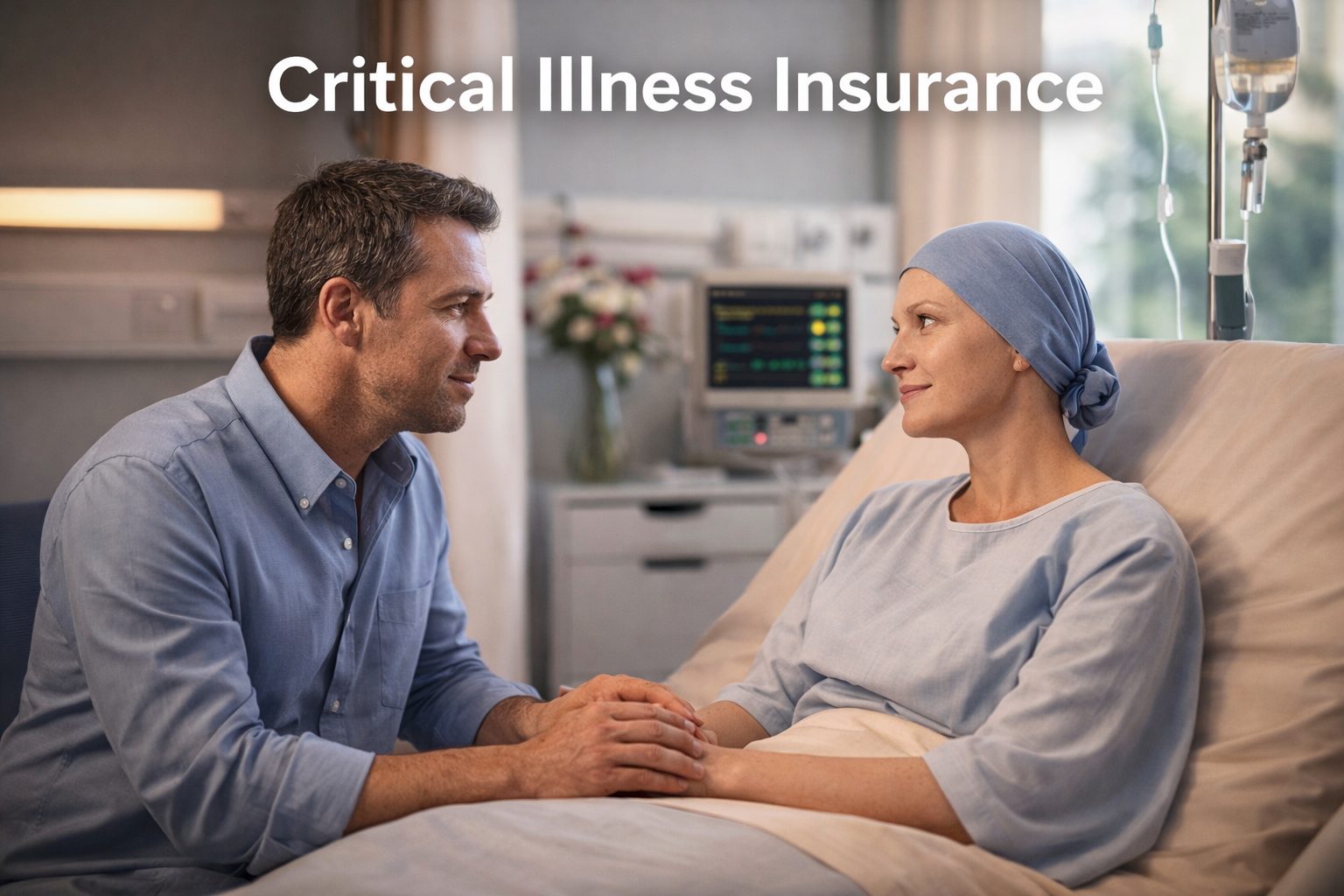
Critical illness insurance is built to do one very specific job: provide a cash benefit after a covered diagnosis so a serious health event does not automatically become a full financial emergency. In 2026, many households still carry deductibles, coinsurance, out-of-network exposure, travel costs, time-off-work pressure, childcare disruption, and everyday bills that continue even when treatment begins. That is why critical illness coverage is usually evaluated as supplemental protection rather than as a replacement for major medical insurance.
If you are searching for critical illness insurance near me, the cleanest starting point is not just the premium. It is your current health-plan deductible, your emergency savings, your income stability, and how much cash support would actually help if a covered diagnosis happened.
How to compare critical illness insurance without buying the wrong kind of supplemental protection
Critical illness coverage is often misunderstood because shoppers compare it like major medical coverage. That creates confusion. This type of plan is usually designed around a triggered cash benefit after a covered diagnosis, not around paying every doctor bill in the same way a primary health plan does. The strongest comparison starts with the financial problem you are trying to solve. Are you protecting against a deductible spike? Income disruption? Travel or lodging costs? Household bills during recovery? A thin emergency fund? Once you know that, the benefit amount becomes easier to evaluate.
- Start with your health-plan gap: look at your deductible, coinsurance exposure, and likely non-medical costs after a major diagnosis.
- Choose a realistic lump-sum target: the best benefit amount is the one that would actually move the needle for your household.
- Review covered-condition wording: not all plans frame covered events, severity triggers, or policy language the same way.
- Check waiting periods and recurrence rules: timing details can matter as much as the premium.
- Compare family fit: decide whether employee-only, spouse, or child coverage matters in your household.
How critical illness insurance usually works
Most critical illness plans are positioned as supplemental policies that may pay a lump-sum cash benefit after a covered diagnosis, subject to policy terms. That cash is typically meant to give the policyholder more flexibility at a time when both medical and non-medical costs can rise at once. Depending on the policy, shoppers often review covered-condition categories such as heart attack, stroke, certain cancers, or other specified serious illnesses, along with details about waiting periods, first-occurrence rules, recurrence benefits, and wellness-screening provisions where available.
| Feature | Why it matters | What to compare |
|---|---|---|
| Lump-sum benefit amount | This is the core financial support the policy is meant to provide after a covered diagnosis | Whether the amount would meaningfully help with deductible shock, bills, travel, or missed income pressure |
| Covered-condition scope | Policy value depends on how the plan defines covered diagnoses and benefit triggers | Condition categories, severity thresholds, and any condition-specific limitations |
| Waiting period | Coverage timing matters if you are buying the plan to protect the near future | When coverage begins and whether any first-benefit waiting period applies |
| Recurrence or additional-benefit rules | Some shoppers want to understand whether the plan can pay again under certain circumstances | Separation periods, recurrence language, and multiple-event provisions if offered |
| Family coverage options | Household fit matters when a spouse or child diagnosis would create similar financial pressure | Whether spouse and child options are available and how benefits are structured |
| Wellness or screening value | Some plans include preventive or screening-related value that may improve year-round usefulness | Eligibility rules, covered screening language, and how any wellness benefit is applied |
Strong comparison habit: start with the benefit amount you need, then compare which policy design gets you closest without overbuying coverage you are unlikely to use well.
Who critical illness insurance usually fits best
This type of coverage is rarely about fear. It is about budgeting for disruption. The strongest fit is usually someone who already understands that a serious diagnosis can create more than hospital bills. It can change work schedules, commuting patterns, childcare costs, travel needs, debt pressure, and household cash flow all at once.
If your biggest concern is diagnosis-related financial disruption, critical illness may be the right lane. If your biggest concern is injury risk or hospital-stay cash flow, another supplemental design may fit better.
How critical illness insurance pairs with your main health plan and other supplemental coverage
Critical illness insurance generally works best as part of a bigger protection strategy. It is often reviewed alongside major medical plans because the health plan handles the core medical coverage while critical illness focuses on lump-sum cash support. It is also frequently compared against accident coverage, hospital indemnity, disability insurance, and life insurance because each product solves a different version of financial stress.
| Coverage type | Main job | Best for | Watch-out |
|---|---|---|---|
| Major medical | Primary health coverage for broad medical expenses | Core health protection and pre-existing-condition-compliant coverage where applicable | Does not erase every deductible, coinsurance, travel, or everyday-bill problem |
| Critical illness | Lump-sum cash support after a covered serious diagnosis | Diagnosis-related financial disruption | Not a replacement for primary health insurance |
| Hospital indemnity | Cash tied to covered hospitalization events | People most worried about inpatient-stay expense pressure | Different trigger logic than critical illness |
| Accident insurance | Cash support tied to covered injury events | People worried most about injury-related exposure | Not built around diagnosis-triggered illness events |
| Disability insurance | Income replacement for qualifying work-loss situations | Protecting paycheck continuity over time | Very different underwriting and benefit structure from critical illness |
Where we help shoppers compare critical illness coverage
Critical illness planning is less about geography and more about household risk, but shoppers across our service areas usually ask the same core questions: How much benefit is enough? What would the cash actually help with? How do I compare this against accident, hospital, disability, or my current health-plan deductible? Those are the right questions, and they lead to better comparisons.
| Region group | States | Common shopping goal |
|---|---|---|
| Southwest and West | AZ, CA, NM, TX | Comparing lump-sum support against deductible exposure and everyday-bill pressure |
| South and Southeast | AL, FL, GA, NC, SC, VA | Evaluating family-fit coverage and diagnosis-related cash protection |
| Midwest and Plains | IA, KS, MI, NE, OH, SD | Balancing monthly cost against meaningful benefit size and trigger quality |
| East and central markets | NY, OK, WV | Comparing critical illness with hospital, accident, and disability coverage options |
Ready to compare critical illness insurance the smarter way?
Start with the gap you are trying to solve. Then compare lump-sum benefit size, covered-condition wording, waiting periods, recurrence logic, and household fit. That gives you a more useful answer than shopping by premium alone and hoping the coverage works the way you expect later.
The cleanest quote review starts with your current health-plan gaps, emergency-fund comfort, and the cash amount that would actually help after a covered diagnosis.
Critical illness insurance FAQs (2026)
What is critical illness insurance?
Critical illness insurance is typically supplemental coverage that may pay a lump-sum cash benefit after a covered diagnosis, subject to policy terms. It is generally designed to sit alongside primary health coverage rather than replace it.
Is critical illness insurance the same as health insurance?
No. Major medical insurance is built as primary health coverage. Critical illness insurance is usually reviewed as supplemental protection meant to help with the financial disruption of a covered serious diagnosis.
What should I compare first when shopping for critical illness coverage?
Start with the lump-sum amount you would actually need, then compare covered-condition wording, waiting periods, recurrence rules, family options, and how the plan fits beside your current health coverage.
Who usually benefits most from critical illness coverage?
It is often a strong fit for households with higher deductibles, limited emergency savings, or meaningful concern about the financial disruption that can follow a covered diagnosis.
Can critical illness insurance replace disability, accident, or hospital coverage?
Not usually. Those products solve different problems. Critical illness is generally compared as one piece of a broader supplemental strategy rather than a universal replacement for every other coverage type.
Independent agency: Blake Insurance Group LLC is an independent insurance agency and is not affiliated with any single insurance company.
Licensing: Licensed insurance producer (NPN 16944666).
Important: Plan availability, covered-condition definitions, waiting periods, family options, benefit amounts, pricing, underwriting, and policy terms vary by plan and state. Quote materials and issued policy documents govern coverage.
General information: This page is for general educational purposes and does not replace policy review, medical advice, legal advice, tax advice, or underwriting decisions.
Trademarks: UnitedHealthcare®, UHOne®, and all other company names are trademarks™ or registered® trademarks of their respective owners. Use here does not imply endorsement or affiliation.




