
Best Home Warranty Companies in South Carolina (2026): Compare HVAC, Appliance, Plumbing, Service Fee, and Exclusion Details
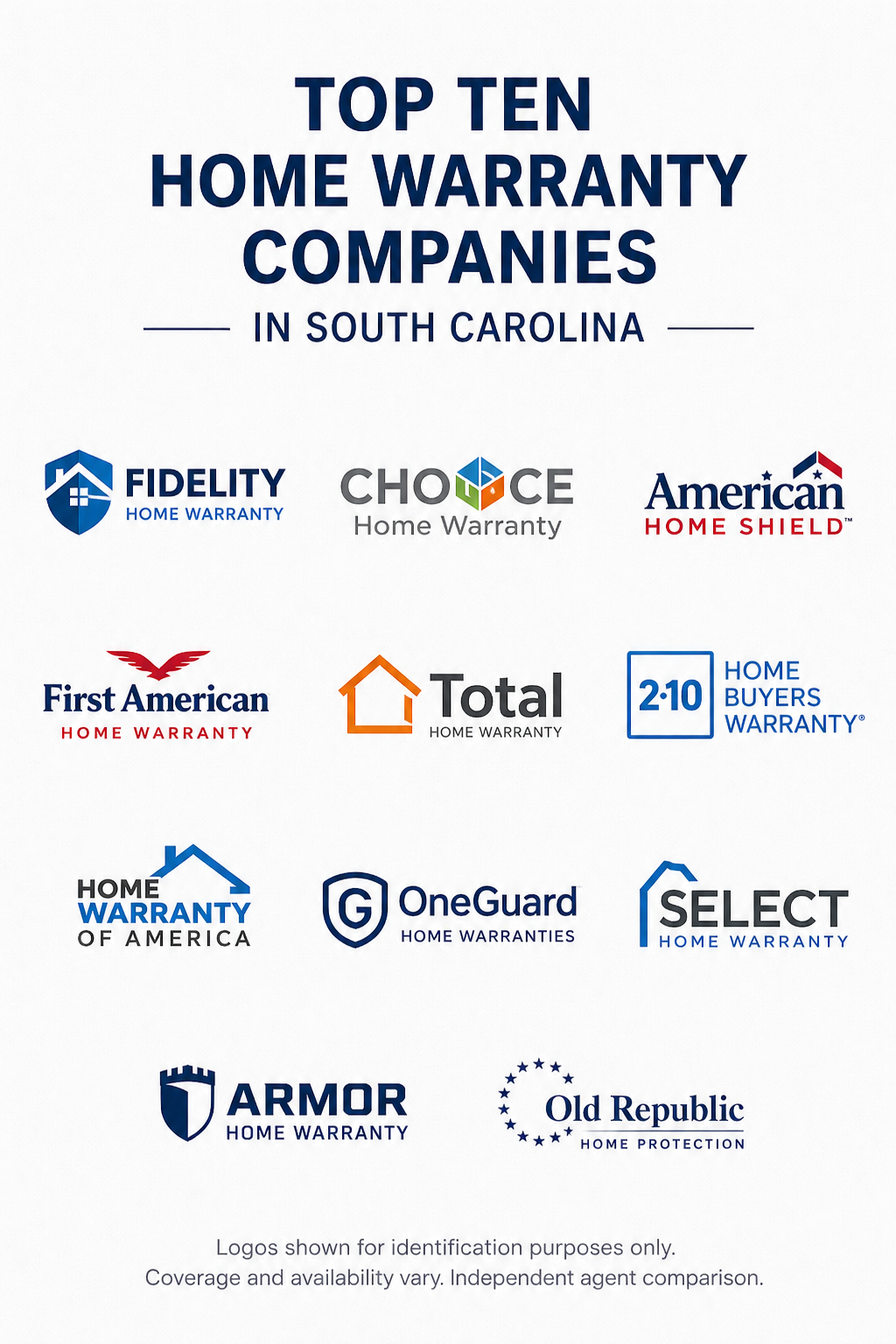
Comparing the best home warranty companies in South Carolina starts with the systems that would create the biggest disruption if they failed. In Charleston, Columbia, Greenville, Myrtle Beach, Rock Hill, Spartanburg, Hilton Head, Florence, and smaller Lowcountry or Upstate communities, homeowners often care most about air conditioning, heat pumps, plumbing, electrical systems, water heaters, refrigerators, dishwashers, ranges, washers, dryers, garage door openers, and optional roof leak, septic, or well coverage.
A home warranty is not the same thing as homeowners insurance. Homeowners insurance generally responds to covered sudden events such as wind, hail, fire, theft, liability, and certain storm-related losses. A home warranty is typically a service contract that helps repair or replace covered systems and appliances when they fail from normal wear and tear. That distinction matters in South Carolina because coastal storms, hurricanes, humidity, and heavy rain can create insurance questions, while everyday HVAC, appliance, plumbing, and electrical failures create service-contract questions.
The best home warranty company in South Carolina is not simply the company with the lowest monthly price. The real value comes from the sample contract: service fee, claim limits, HVAC caps, appliance caps, workmanship guarantee, contractor dispatch process, waiting period, exclusions, cancellation rules, and whether add-ons match your home. A strong plan should fit your home’s age, location, systems, appliances, and repair expectations.
Quick facts: South Carolina home warranty plans in 2026
Home warranties are often called home service contracts. They generally cover specific items named in the contract, subject to service fees, caps, exclusions, and claim procedures. They are optional and should not be treated as a replacement for homeowners insurance. A mortgage lender may require homeowners insurance, but a home warranty is usually a separate choice made by the homeowner, buyer, seller, landlord, or real estate professional.
| Topic | What it means | Why South Carolina homeowners should care |
|---|---|---|
| Home warranty vs insurance | A home warranty is usually a service contract; homeowners insurance is property insurance | Use insurance for covered storms and sudden losses; use a warranty for covered wear-and-tear breakdowns |
| Service fee | The fee paid when a technician is dispatched or a claim is opened | Low monthly cost can be offset by high per-claim service charges |
| Coverage cap | The maximum the company may pay for a covered repair or replacement | HVAC and appliance caps can decide whether the contract is useful |
| Exclusions | Specific items, causes, parts, or conditions the contract will not cover | Pre-existing conditions, poor maintenance, improper installation, and code upgrades may be excluded |
| Sample contract | The actual plan document that controls coverage and claim rules | Always read the contract before buying; summaries do not show every limitation |
How to compare home warranty companies in South Carolina
Start by identifying the items that would be most expensive or frustrating to repair. In South Carolina, air conditioning and heat pump coverage usually deserves close attention because humidity and long cooling seasons put heavy demand on HVAC systems. Plumbing, electrical, water heaters, refrigerators, dishwashers, ovens, washers, dryers, and garage door openers are also common comparison points.
Then read the contract language. A plan may advertise “HVAC coverage,” but the actual contract may limit refrigerant, ductwork, coils, disposal, permits, code upgrades, crane charges, mismatched systems, or inaccessible equipment. Appliance coverage may also limit replacement amounts, cosmetic parts, shelves, racks, smart features, or secondary units. The real comparison is not only what the plan says it covers, but what it excludes and how much it will pay.
Coverage snapshot: what South Carolina home warranty plans may include
Home warranty plans vary by company and contract level. Some focus on appliances. Some focus on major systems. Some combine both, then offer add-ons for roof leaks, pool equipment, septic systems, well pumps, additional refrigerators, or stand-alone freezers. Use this table to compare the categories that commonly matter most for South Carolina homeowners.
| Coverage category | What it may include | Why it matters in South Carolina | What to verify |
|---|---|---|---|
| HVAC systems | Air conditioning, heat pumps, furnaces, ductwork, or certain components | Humidity and long cooling seasons can make breakdowns urgent | Caps, refrigerant, coils, ductwork, maintenance requirements, and excluded parts |
| Plumbing | Interior plumbing lines, stoppages, toilets, faucets, valves, and water heaters | Older homes and coastal humidity can create plumbing and water-heater concerns | Stoppage limits, slab leaks, access issues, fixtures, code upgrades, and disposal |
| Electrical | Panels, wiring, outlets, switches, ceiling fans, and built-in components | Older homes and modern appliance loads can create repair needs | Panel limits, wiring exclusions, fixture terms, permits, and code compliance |
| Kitchen appliances | Refrigerator, oven, range, cooktop, dishwasher, built-in microwave | Appliance failure can be disruptive, especially for families and rental homes | Replacement caps, brand restrictions, smart features, cosmetic exclusions, haul-away |
| Laundry appliances | Washer and dryer coverage when included or added | Useful for households, vacation rentals, and landlord properties | Included vs optional status, motor/drum coverage, service fees, and replacement limits |
| Optional add-ons | Roof leak, septic, well pump, pool, spa, second refrigerator, stand-alone freezer | Coastal, rural, vacation, and larger homes may need coverage beyond a standard plan | Separate caps, exclusions, waiting periods, inspection rules, and claim process |
Best home warranty companies in South Carolina: how to build your shortlist
One company is not automatically best for every South Carolina home. A coastal condo, Columbia single-family home, Greenville new build, Charleston historic home, Myrtle Beach vacation rental, and rural property with septic or well equipment can all need different plan designs. Instead of chasing one ranking, compare plan style to your property’s real risk points.
| Company / plan style | Often a strong fit for | Strength to compare | Watch-outs |
|---|---|---|---|
| Systems-heavy plan | Homes where HVAC, plumbing, electrical, or water heater failure is the main concern | Higher attention to major built-in systems | Appliances may be limited unless bundled or upgraded |
| Appliance-focused plan | Homes with newer systems but older kitchen or laundry appliances | Refrigerator, dishwasher, range, washer, dryer, and built-in appliance coverage | HVAC, plumbing, and electrical may be excluded or capped lower |
| Combo plan | Homeowners who want one plan for both systems and appliances | Broader household breakdown protection | Monthly cost may be higher and coverage caps still apply |
| Real estate transaction plan | Buyers, sellers, and real estate agents using a warranty during a home sale | Can provide repair support during the first ownership year | Read buyer/seller terms, renewal rules, and pre-existing-condition language |
| Landlord / vacation rental plan | Rental homes, beach properties, and investor-owned homes | Can help organize covered service calls and repair budgeting | Tenant damage, guest damage, maintenance, and access issues may be excluded |
| Rural-property add-on plan | Homes with septic systems, well pumps, or specialty equipment | Add-ons may better match rural South Carolina homes | Separate add-on caps and exclusions can be strict |
South Carolina-specific home warranty considerations
South Carolina homes can face long cooling seasons, humidity, coastal salt air, heavy rain, hurricane exposure, older plumbing, and rental-property wear. A home warranty may help with covered mechanical failure from normal wear and tear, but it does not replace homeowners insurance for wind, hail, hurricane, flood, fire, theft, or liability claims. If a storm damages your roof, siding, or home structure, that is generally a homeowners insurance question, not a home warranty claim.
Coastal homeowners should pay attention to air conditioning, corrosion exclusions, roof leak add-ons, contractor availability, and emergency service expectations. Inland homeowners may focus more on HVAC, plumbing, electrical, and appliance caps. Rural homeowners should verify septic and well add-ons before assuming those systems are included. Vacation rental owners should review whether rental use is allowed and whether guest-caused damage is excluded.
| South Carolina concern | Home warranty relevance | What to compare |
|---|---|---|
| Heat and humidity | Air conditioning and heat pump failure can be urgent | HVAC caps, refrigerant, coils, excluded parts, and service timing |
| Coastal salt air | Corrosion and environmental wear may affect systems and appliances | Rust, corrosion, maintenance, and environmental exclusions |
| Storm and hurricane exposure | Storm damage is usually homeowners insurance territory | Separate storm coverage from service-contract repair expectations |
| Older homes | Older HVAC, plumbing, and electrical systems may be more likely to fail | Pre-existing conditions, code upgrades, access issues, and replacement caps |
| Rural properties | Septic, well, and specialty equipment may need separate add-ons | Add-on availability, claim caps, contractor access, and excluded components |
| Vacation rentals | Appliance and system breakdowns can affect guest stays and income | Rental eligibility, service timing, guest-caused damage, and claim reporting rules |
South Carolina home warranty help by city and region
Home warranty value can vary by local repair costs, property age, contractor availability, home type, and whether the property is owner-occupied, rented, or used seasonally. A Charleston coastal home may need different contract attention than a Greenville family home, a Columbia rental, a Myrtle Beach condo, or a rural property with septic and well equipment.
| Region / city group | Examples | What to compare |
|---|---|---|
| Lowcountry / Charleston Area | Charleston, Mount Pleasant, Summerville, North Charleston, Goose Creek | HVAC, humidity, salt-air exclusions, roof leak add-ons, and contractor access |
| Midlands | Columbia, Lexington, Irmo, Sumter, Camden | Systems coverage, appliance caps, rental-property plans, and service fees |
| Upstate | Greenville, Spartanburg, Anderson, Greer, Mauldin | HVAC, plumbing, electrical, buyer warranties, and combo plan value |
| Grand Strand / Pee Dee | Myrtle Beach, Conway, Florence, North Myrtle Beach, Surfside Beach | Vacation rental eligibility, appliance coverage, HVAC service, and roof leak terms |
| Rural / Lake Communities | Beaufort, Aiken, Orangeburg, Greenwood, Seneca, Lake Murray communities | Septic, well, secondary appliances, service area reach, and add-on exclusions |
Start your South Carolina home warranty quote
The fastest way to compare options is to start with your property details. Before you quote, list your home’s age, square footage, HVAC type and age, water heater age, major appliances, septic or well equipment, pool or spa equipment, and any special concerns. If you are buying, selling, renting, or managing a vacation property, choose a plan structure that matches that use.
When you compare quotes, review the monthly or annual cost together with the service fee, coverage caps, exclusions, waiting period, contractor process, workmanship guarantee, and cancellation rules. A slightly higher-cost plan can be the better fit if it provides stronger terms for the systems and appliances that matter most in your South Carolina home.
Compare the sample contract, not just the monthly cost. Service fees, caps, and exclusions decide the real value.
Related topics
Best home warranty companies in South Carolina FAQs (2026)
Is a home warranty the same as homeowners insurance?
No. Homeowners insurance generally covers sudden events such as fire, wind, hail, theft, liability, and certain storm-related losses. A home warranty is usually a service contract for listed systems and appliances that fail from normal wear and tear.
What should South Carolina homeowners compare first?
Start with HVAC coverage, service fees, coverage caps, exclusions, contractor process, and the sample contract. South Carolina heat and humidity make air conditioning and heat pump terms especially important.
Do home warranties cover hurricane or storm damage?
Usually no. Hurricane, wind, hail, flood, and storm damage are generally homeowners insurance or flood insurance issues. A home warranty is mainly for covered wear-and-tear breakdowns of listed systems and appliances.
Do home warranties cover pre-existing conditions?
Many contracts exclude known or detectable pre-existing conditions, improper installation, lack of maintenance, code violations, rust, corrosion, or failures that existed before the contract began. Read the plan terms before buying.
Can landlords or vacation rental owners use home warranty plans in South Carolina?
Yes, many landlords and vacation rental owners compare home warranty plans to help manage covered repairs. However, rental eligibility, guest-caused damage, maintenance issues, and access problems may be limited or excluded.
How do I choose the best home warranty company in South Carolina?
Choose based on your home’s systems, appliance age, HVAC needs, service fee preference, coverage caps, exclusions, contractor availability, and sample contract terms. The best company is the one whose contract fits your actual home.
Independent agency: Blake Insurance Group LLC is an independent insurance agency. Home warranty and home service contract products are not homeowners insurance.
Licensing: Licensed insurance producer (NPN 16944666).
Important: Home warranty availability, pricing, service fees, coverage caps, covered items, exclusions, waiting periods, cancellation terms, contractor networks, claim approval, and reimbursement methods vary by company, plan, property, state, and contract and can change.
Consumer note: Read the actual sample contract before buying. Confirm whether the plan covers your specific systems, appliances, add-ons, service area, rental use, and claim situation. This page provides general information and is not legal, tax, real estate, construction, repair, or insurance coverage advice.
Trademarks: Company names, product names, and all trademarks™ or registered® trademarks belong to their respective owners. Use of them does not imply affiliation or endorsement.




