Accident Insurance (2026) in AZ, AL, TX, CA, NY, OH, FL, NC, VA, GA, OK, NM, IA, KS, MI, NE, SC, SD, WV
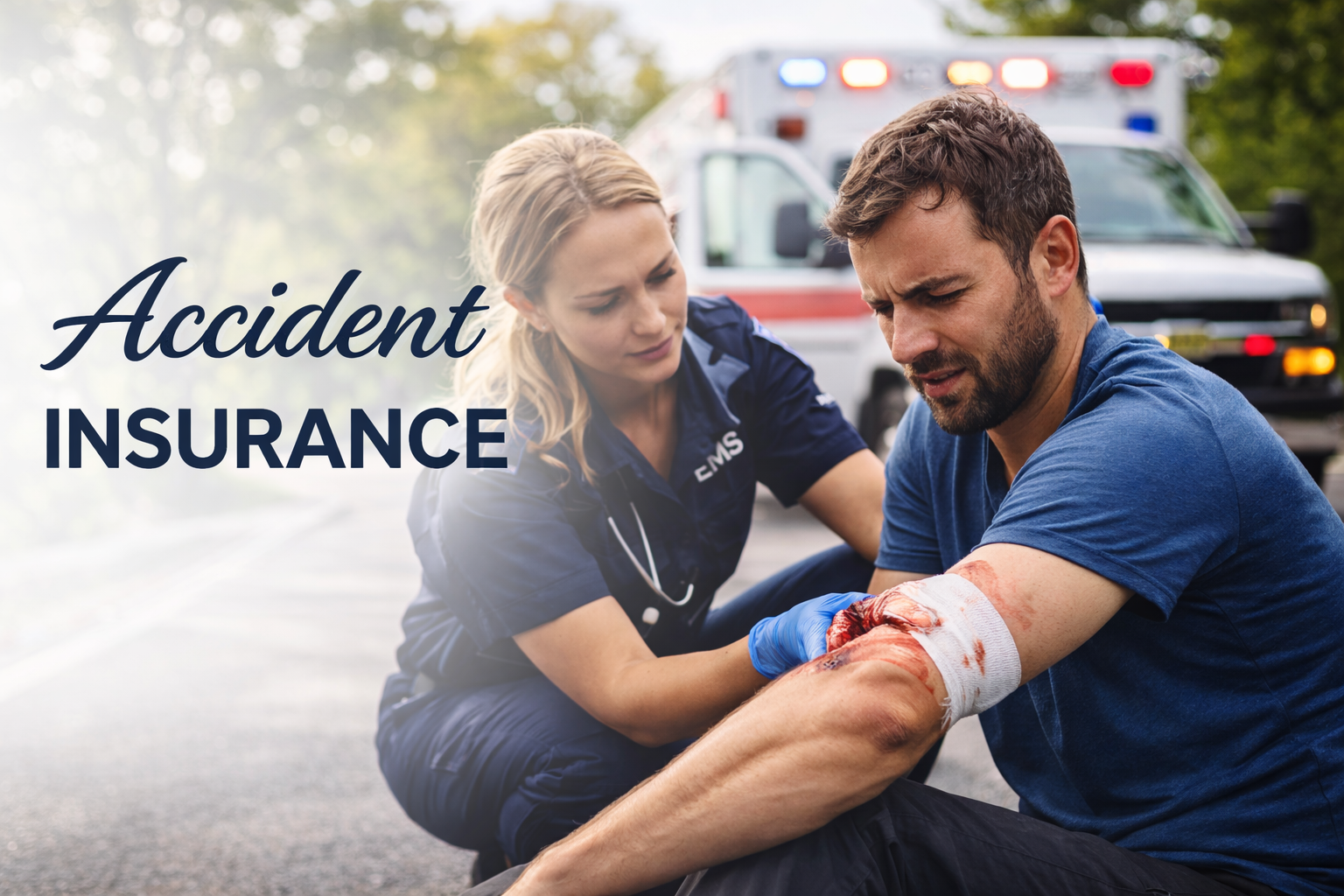
If you’re searching for accident insurance near me, you’re usually trying to protect your budget from one specific problem: injuries that create out-of-pocket costs even when you already have health insurance. Accident insurance is supplemental coverage designed to pay cash benefits for covered accidental injuries and related treatment. That cash can help offset deductibles, copays, coinsurance, time off work, mileage, child care, or whatever your household needs while recovering.
Here’s the clean way to think about accident insurance in 2026: it’s not a replacement for major medical coverage. It’s a “shock absorber” that can reduce the financial hit of an unexpected fall, sports injury, ER visit, ambulance ride, fracture, dislocation, stitches, or follow-up treatment. The right plan is the one that matches how you live: active families, weekend athletes, busy parents, people with high deductibles, and anyone who wants predictable cash support after an accident.
How accident insurance works (simple, practical, and accurate)
Accident insurance typically pays a cash benefit when a covered accident happens and you receive covered treatment. Many plans pay based on a schedule of benefits (example: a specific dollar amount for an ER visit, X-rays, a fracture, a follow-up visit, physical therapy, or a hospital admission). Some benefits are one-time, while others may apply per accident, per visit, or per day (depending on plan design). Either way, the goal is straightforward: reduce the surprise costs that show up after an injury.
Key mindset: choose the plan that pays meaningfully for the injuries and care you’re most likely to face—not the plan that looks cheapest on the first screen.
Coverage snapshot: what accident insurance commonly helps pay for
Accident plans focus on accidental injuries and the treatment tied to those injuries. Coverage varies by policy, but most shoppers compare the same categories. Use this table to build a clean “apples-to-apples” baseline before you choose.
| Benefit category | Examples | Why it matters | Best comparison tip |
|---|---|---|---|
| Immediate care | Urgent care, ER visit, ambulance | These are frequent “first-day” expenses after an injury | Compare benefit amounts for ER vs urgent care (they can differ) |
| Diagnostics | X-rays, imaging, lab work tied to the accident | Diagnostics often happen before treatment decisions | Check if benefits are per visit or per accident |
| Injuries | Fractures, dislocations, burns, lacerations | Injury severity can drive the biggest payouts | Compare how each plan defines injury levels and max amounts |
| Follow-up care | Doctor follow-ups, PT/rehab, durable medical equipment | Follow-up costs can last weeks or months | Confirm visit limits, therapy limits, and time windows |
| Hospital benefits | Admission, confinement/day benefits, surgery | Hospital events can create major out-of-pocket exposure | Check admission vs daily benefit structure and maximum days |
| Wellness/screening (if offered) | Annual screening benefit in some plan designs | Can help offset premium if you use it | Verify eligibility and frequency rules |
How payouts work: the “schedule of benefits” is the real scoreboard
Accident insurance is easiest to evaluate when you treat it like a payout schedule. You’re not buying a vague promise—you’re buying defined benefit amounts for defined accident-related events. That means you should compare: (1) what triggers a benefit, (2) how often it pays (per visit vs per accident), (3) any time windows after the accident, and (4) maximum benefit limits.
| Question | What to look for | Why it changes value | Common mistake |
|---|---|---|---|
| Per visit or per accident? | Benefit frequency definitions | Impacts total payout if you have multiple visits | Assuming multiple visits always pay the same way |
| Time window after injury? | How long follow-up benefits remain eligible | Follow-up care often extends beyond the first week | Buying a plan that ends follow-up too quickly for your risk |
| Injury severity tiers? | How fractures/dislocations/burns are categorized | Determines the largest payouts in many plans | Not checking the “max payout” for your most likely injury type |
| Hospital and surgery benefits? | Admission, daily benefits, surgical schedules | Hospital events are where accident plans can shine | Comparing only ER benefits and ignoring hospital benefits |
A strong plan is the plan that meaningfully offsets your real out-of-pocket risk—especially if you have a high-deductible health plan or you want more predictable cash flow after injuries.
How to compare accident insurance plans (so the winner is real)
Most shoppers pick the wrong accident plan for one reason: they compare premium only. Premium matters, but plan design decides whether the policy helps when you need it. Use this comparison table and you’ll quickly see which plan is built for your household.
| Household profile | Top priority | Why it matters | Best plan features to target |
|---|---|---|---|
| Active families / youth sports | Injury + follow-up benefits | Injuries often require follow-ups and therapy | Strong fracture/dislocation schedule + follow-up/PT benefits |
| High-deductible health plan | Hospital + surgery benefits | HDHPs can create high out-of-pocket exposure quickly | Admission + daily hospital + surgical benefits with clear limits |
| Self-employed / variable income | Cash flow protection | Lost time can strain income during recovery | Higher benefit amounts for common events + predictable payout rules |
| Budget-focused coverage | Meaningful first-day benefits | ER/urgent care and diagnostics are frequent early costs | Strong ER/urgent care + imaging benefits without confusing limits |
Who accident insurance fits best in 2026 (and who should skip it)
Accident insurance is a high-confidence add-on when it matches your risk and your budget. It’s especially helpful if you want a predictable way to handle injury costs without dipping into savings. It may be less useful if you rarely leave home, already have extremely low out-of-pocket exposure, or you’re already over-insured with multiple overlapping supplemental plans.
- Best fit: active households, youth sports families, frequent travelers, people with high deductibles, self-employed workers, and anyone protecting cash flow.
- Strong fit: families who want “first-day” and follow-up cash after injuries (urgent care/ER, imaging, fractures, PT).
- Consider carefully: households with tight budgets—choose a plan that actually pays for your likely events, not just the lowest premium.
- May skip: very low-risk households with minimal out-of-pocket exposure and robust emergency funds earmarked for medical events.
The right approach is targeted: pick one plan that solves one problem (injury cash flow), then keep the design clean and easy to claim on.
Service areas we support for accident insurance quotes
We support accident insurance shopping and plan comparisons across our licensed states. Availability, rates, and plan options can vary by state and ZIP code, so your best match is always based on your specific household and location.
| States | Examples of metro areas | What we optimize for |
|---|---|---|
| AZ, CA, TX, FL | Phoenix, Los Angeles, Houston, Miami | Plan design fit + schedule-of-benefits clarity |
| AL, GA, NC, SC, VA | Birmingham, Atlanta, Charlotte, Charleston, Richmond | Family-friendly injury coverage + follow-up benefits |
| NY, OH, MI | NYC, Columbus, Detroit | Hospital benefit strategy + deductible offset planning |
| OK, NM, IA, KS, NE, SD, WV | OKC, Albuquerque, Des Moines, Wichita, Omaha, Sioux Falls, Charleston | Simple comparisons + budget-smart plan selection |
Get an accident insurance quote (fast, comparable, and built to your household)
Start your quote using the button below. For the best comparison, decide your priorities first: do you want stronger hospital/surgery benefits, stronger fracture/dislocation benefits, or better follow-up/therapy support? Then choose a plan where the schedule aligns with your real risk.
Coverage is not in force until approved, issued, and any required premium is paid. The issued policy governs benefits, limits, exclusions, and definitions.
Accident insurance FAQs (2026)
Is accident insurance the same as health insurance?
No. Accident insurance is supplemental coverage designed to pay cash benefits for covered accidental injuries and related treatment. It does not replace major medical insurance.
Can accident insurance help if I already have a high-deductible health plan?
Yes—this is one of the most common use cases. Accident benefits can help offset deductibles, copays, coinsurance, and the everyday expenses that show up while you recover.
What does accident insurance usually cover?
Coverage varies by plan, but commonly includes benefits for urgent care/ER, ambulance, diagnostics like X-rays, certain injuries (fractures/dislocations/burns), follow-up care, and hospital-related benefits if included.
How do I compare accident insurance plans correctly?
Compare the schedule of benefits, not just the premium. Confirm how benefits trigger, whether they pay per visit or per accident, time windows for follow-ups, and maximum limits.
What’s the biggest “gotcha” people miss?
Buying the cheapest plan without checking payout amounts and limits for the injuries they’re most likely to face. A small premium difference can be meaningless if the plan underpays when you need it.
Independent agency: Blake Insurance Group LLC is an independent insurance agency and is not affiliated with any single insurance company.
Licensing: Licensed insurance producer (NPN 16944666).
Important: Benefits, eligibility, plan features, exclusions, definitions, and availability vary by insurer and state and can change. This page is general information, not legal advice. Your issued policy controls.
Trademarks: All product and company names are trademarks™ or registered® trademarks of their respective holders. Use of them does not imply affiliation or endorsement.





Reviews are loaded from Google when you click “View reviews.”