Roadside Assistance (2026): What It Covers, Tow Miles, EV Rules, and the Best Way to Add It to Your Policy
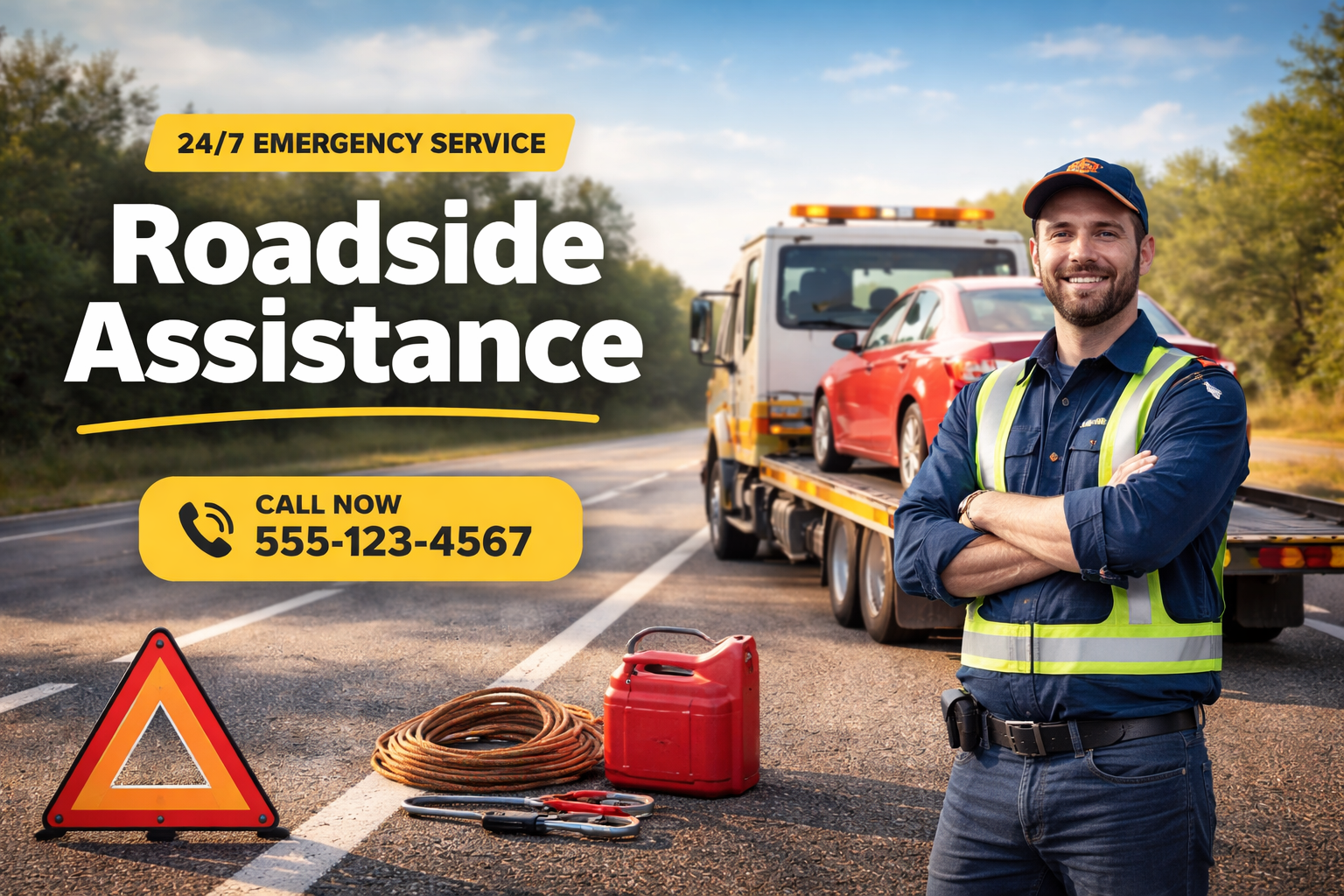
If you’re searching for roadside assistance near me, you’re not looking for a lecture—you want a plan that actually shows up, covers the right services, and doesn’t surprise you with mileage caps or exclusions when you’re stuck on the shoulder. In 2026, the “best” roadside assistance is the one that matches how far you drive, what you drive (especially EVs), and how quickly you need to be moving again.
At Blake Insurance Group, we help you add roadside assistance in a way that makes sense for your real life: commuting, school runs, weekend trips, rideshare use, older vehicles, desert heat, winter ice, or long highway stretches between exits. The goal is simple: choose tow miles and service limits that fit your risk, then compare options apples-to-apples so you can pick the right plan without paying for fluff you’ll never use.
Quick answer: what roadside assistance is (and why the details matter)
Roadside assistance is a service benefit that pays for “right now” help when your vehicle becomes disabled—think towing, jump starts, lockout help, flat tire service, and emergency fuel delivery. The tricky part is that many plans look identical until you compare the fine print: tow mileage, service call caps, dispatch vs reimbursement, winching rules, and EV requirements can change the real value of the plan.
What roadside assistance typically covers in 2026
Roadside assistance is designed to get you moving again or get you to a safe repair destination—not to replace mechanical repairs. Use the table below as a practical checklist. When we quote coverage, we confirm these details so you know what to expect during an actual call.
| Service | What it helps with | What to confirm before you enroll | Common “gotcha” |
|---|---|---|---|
| Towing | Transport to a shop or safe location (subject to tow-mile cap) | Tow miles per disablement, destination flexibility, after-hours rules | Low miles or “nearest facility only” restrictions |
| Battery jump start | Start a vehicle with a dead battery | Whether testing or minor service is included; EV rules differ | Service applies only to standard 12V scenarios |
| Flat tire service | Swap tire using your spare or assist with safe move | Requirement for a usable spare and safe roadside access | No spare / unsafe location can limit service |
| Lockout assistance | Help re-entering a locked vehicle | Dollar cap, number of lockouts covered, key replacement exclusions | High-end keys/fobs may be excluded or capped |
| Emergency fuel delivery | Delivery when you run out of fuel | Whether fuel cost is included or billed separately; gallon limits | Plan covers delivery service, not the fuel itself |
| Winching / extraction | Pulling a vehicle from a ditch/snow/mud near the roadway | Distance from paved road, “one winch” limits, off-road exclusions | Off-road recovery usually not included |
| Minor mechanical help | Simple roadside assistance (varies by plan/provider) | What counts as “minor,” and whether labor is capped | Repairs/parts generally not covered |
Tip: If you drive an older vehicle or frequently travel outside your immediate city, tow miles and annual call limits matter more than the “list of services.”
Tow miles, annual limits, and how to pick the right level
Most people choose roadside assistance based on price—then regret it the first time they need a long tow. In 2026, many plans are structured in tiers based on tow distance and service call allowances. The right tier is not “the biggest number.” It’s the tier that matches your realistic worst day.
Here’s the practical way we help you choose: identify your most likely tow destinations (your trusted mechanic, a dealer, or a safe drop) and estimate the longest realistic distance. Then we confirm whether the plan’s tow mileage is per disablement, how the plan treats “secondary tows,” and whether there are restrictions on destination choice. That’s how you avoid a plan that “covers towing” but still leaves you paying for the part that matters.
Compare plan types: insurance add-on vs motor club vs pay-per-use
Roadside assistance can be added to an auto policy, purchased as a standalone membership, bundled through a vehicle warranty, or handled on a pay-per-use basis. None is “universally best.” The best choice depends on how you drive, whether benefits follow the vehicle or the driver, and how much tow mileage you realistically need.
| Option | How it’s billed | Best for | Watch-outs |
|---|---|---|---|
| Insurance add-on | Added to your auto policy; often low-cost | Drivers who want simple coverage tied to the insured vehicle | Tow miles and call limits can be modest; terms vary by carrier |
| Motor club membership | Annual or monthly membership | Long-distance travelers who want higher tow miles or travel perks | Benefits may follow the member; confirm household rules and caps |
| Warranty roadside | Included with vehicle warranty in some cases | Newer vehicles still within warranty time/mileage | May expire sooner than you expect; tow rules can be restrictive |
| Pay-per-use | Per event cost | Infrequent drivers who rarely need roadside help | Unpredictable cost during peak times; long tows can be expensive |
Our approach: we standardize benefits (tow miles, incident caps, and dispatch/reimbursement rules) and then compare options so the “winner” is real—not a mismatch.
EV roadside assistance in 2026: the rules that actually matter
EV roadside assistance can be excellent—but only if the plan is built for EV realities. The biggest differences are not the marketing claims; they’re the operational details: whether a flatbed is required, whether the plan will tow to a charger (or only to a repair facility), and whether any mobile charging is offered in your area.
- Flatbed handling: confirm towing equipment requirements and whether it changes the dispatch process.
- Destination flexibility: some plans allow towing to a charging location; others limit destinations.
- Low-voltage battery issues: many EV roadside events involve a 12V system problem; confirm how the plan addresses it.
- Tire and wheel realities: some EVs ship without a traditional spare—confirm how “flat tire service” works for your vehicle.
If you want the simplest EV-ready move: choose a plan with clear destination flexibility, confirm flatbed rules, and select tow miles that can reach your preferred service location without guessing.
Roadside assistance “near me”: where we help drivers compare options
Roadside assistance is only valuable if the plan fits your area and driving pattern. We help drivers compare and add roadside coverage across our licensed footprint, with local support for city driving, long-distance travel, and rural stretches where a tow can quickly become a major expense.
| Region | Examples of cities/metros | Driving pattern we plan for |
|---|---|---|
| Arizona | Phoenix, Tucson, Mesa, Glendale, Scottsdale | Heat stress, long highway corridors, fast towing needs |
| New Mexico | Albuquerque, Las Cruces, Santa Fe | Distance between services, destination flexibility |
| Texas | Dallas–Fort Worth, Houston, Austin, San Antonio | Highway miles, heavy traffic, multi-car households |
| California | Los Angeles, San Diego, San Jose, Sacramento | Commute miles, EV handling, tow-to-dealer needs |
| East & Midwest hubs | NYC, Miami, Charlotte, Atlanta, Columbus, Omaha, Sioux Falls | Urban lockouts, winter roadside events, predictable incident caps |
If you’re not listed above, that’s fine—submit a quote request and we’ll confirm available roadside options and benefit tiers for your ZIP code.
Get a roadside assistance quote (fast online)
Use the quote link below to start a clean comparison. If you already have auto insurance, the fastest path is to tell us your current limits, deductibles, and whether roadside should follow the vehicle (policy add-on) or the driver (membership-style plan). We’ll help you choose a tow-mile tier that matches your real-world driving—then make sure the plan details are clear before you commit.
Privacy-first: your information is used for quote purposes only. Coverage is not bound until you confirm the final offer and the carrier issues the policy.
Roadside assistance FAQs (2026)
Does roadside assistance raise my auto insurance rates?
Roadside calls are not at-fault accidents, but carrier rules vary. A couple of uses typically isn’t an issue; frequent usage can be treated as a risk signal by some providers. We’ll help you choose the right setup and review how the option is handled before you enroll.
What tow mileage should I choose?
Match the longest realistic tow you’d want—usually to your trusted shop, dealer, or a safe drop location. If you routinely drive highways or travel between cities, choose a higher tow-mile tier so you’re not paying out-of-pocket mileage when you need help most.
Is roadside assistance “insurance” or a subscription?
It can be either. Some options are policy add-ons billed with your auto insurance; others are memberships purchased separately. The right choice depends on whether benefits should follow the vehicle or the driver and how much tow mileage you need.
How does EV roadside assistance work?
EV towing often requires a flatbed and may involve towing to a dealer or charging location depending on plan rules. Some areas support limited mobile charging, but availability varies. We confirm EV handling rules and destination options as part of your quote.
Can I use roadside assistance for a rental or borrowed car?
It depends on the plan. Many policy add-ons follow the insured vehicle; some memberships follow the driver. If you frequently drive rentals or multiple vehicles, tell us up front so we can match you to the right structure.
Related topics
- Auto Insurance Quotes
- Insurance Claims & Payments
- Motorcycle Insurance
- Compare Insurance With Local Agents
Want a cleaner decision? Standardize tow miles and service limits first—then compare plans side-by-side.
Independent agency: Blake Insurance Group LLC is an independent insurance agency and is not affiliated with any single insurance company.
Licensing: Licensed insurance producer (NPN 16944666).
Important: Roadside assistance availability, towing limits, annual service caps, dispatch rules, EV handling, and pricing vary by provider, state, and ZIP code and can change. Plan documents control.
Trademarks: All product and company names are trademarks™ or registered® trademarks of their respective holders. Use of them does not imply affiliation or endorsement.




