
Auto Insurance Claims • Progressive • Georgia • 2026
Progressive Insurance Claims in Georgia — What to Do After an Accident, Hail Loss, Glass Damage, Theft, Towing Call, or Total Loss
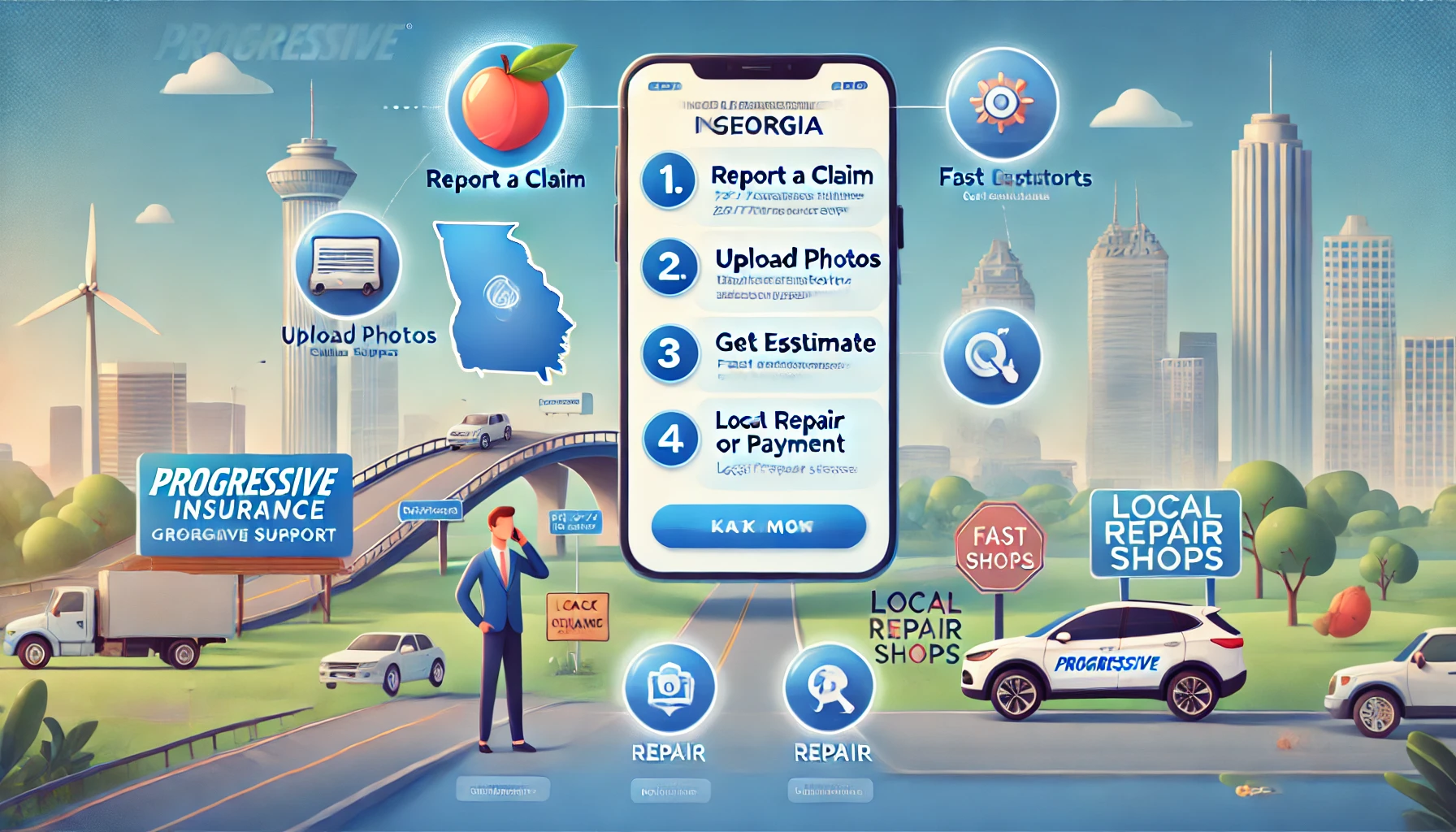
If you need help with Progressive claims in Georgia, the most important thing is to stay organized early. After a crash, hail event, theft, broken windshield, roadside tow, or possible total loss, the claim usually moves best when you protect safety first, document the scene clearly, and gather the details that insurers and repair facilities ask for again and again. This 2026 guide is built to walk you through that process in plain English so you know what to do next instead of guessing.
Georgia claims can become more frustrating than they need to be when simple details are missed at the start. The tow yard address gets lost. The report number is not written down. Photos only show one angle. A rental is reserved before the coverage limit is understood. The vehicle sits too long at storage. None of those mistakes mean the claim is ruined, but they can slow things down and create avoidable costs. The smoother path is to treat the first hour after the loss like the setup stage for the entire claim.
This page covers the most common Georgia claim situations Progressive policyholders ask about: auto accidents, glass-only damage, hail and storm losses, theft and vandalism, towing and roadside help, rental reimbursement questions, and total-loss scenarios where a lienholder may still be involved. It also includes a practical checklist and a side-by-side claims snapshot so you can match your situation to the right next step quickly.
Quick facts for Georgia claim situations
Use this table first if you want the shortest path to the right next move.
| Situation | What to do first | Why it matters |
|---|---|---|
| Crash with drivable vehicle | Take wide and close photos, exchange information, get report details if available | Clean scene documentation helps avoid follow-up confusion later |
| Crash with tow | Get the tow company, yard address, receipt, and where the vehicle will be stored | Storage costs and inspection timing can affect the claim experience quickly |
| Glass damage | Photograph the damage and confirm if the vehicle is safe to drive | Repair versus replacement and calibration needs can change timing |
| Hail or storm damage | Photograph every damaged panel and note date, time, and location | Catastrophe events create volume, so early documentation matters |
| Theft or vandalism | File a police report and list missing or damaged items clearly | Claim files move more smoothly when the loss inventory is organized |
| Possible total loss | Remove personal items and gather lienholder and payoff information | Lender details and key handling become important early |
First steps after an accident or covered loss
1) Handle injuries and immediate danger first
If anyone may be hurt, call 911 and get medical help moving. If the vehicle is in a dangerous spot and can be moved safely, get it out of active traffic before you worry about perfect photos or paperwork.
2) Collect the report information when it exists
A report is not required for every claim, but when law enforcement responds, the report number and agency information can be very useful. For theft or vandalism, filing a police report early is especially important.
3) Photograph the loss like someone will have to review it later
Do not stop at one or two close-ups. Get all sides of the vehicle, wide scene shots, intersection or street markers, weather conditions if relevant, interior damage if present, and any property damage outside the car.
4) Write down the details people forget fastest
Tow company name, lot address, witness contacts, exact time, vehicle location, plate number, and where the vehicle will be moved next often become important long after the scene is cleared.
Progressive claims snapshot for Georgia
| Claim type | First step | What to gather | Best next move | Watch-out |
|---|---|---|---|---|
| Auto accident | Protect the scene, exchange information, take photos | Driver details, vehicle location, report data, tow information | Start the claim and confirm inspection or repair direction | Do not assume repair timing until the claim path is clear |
| Hail or wind | Document every panel and stop further damage where possible | Photos, date, location, weather notes | File quickly and secure inspection timing early | Catastrophe volume can slow shops and rentals |
| Glass only | Confirm whether the car can be driven safely | VIN, damage photos, vehicle location | Clarify repair versus replacement and calibration planning | Late-model vehicles may need sensor or camera recalibration |
| Theft or vandalism | File a police report and document missing items | Report number, photos, receipts or serial numbers if available | Open the claim and upload organized details | Some property losses may overlap with other coverage discussions |
| Towing or roadside | Keep the receipt and confirm the drop destination | Pickup and drop addresses, tow company name, invoice | Document the service clearly and confirm benefit details | Self-arranged towing may require more documentation |
| Total loss concern | Remove personal items and locate keys and lender info | Payoff information, lienholder contact, title status, upgrade receipts | Follow total loss instructions and organize payoff coordination early | Waiting on lender details can slow the settlement process |
Documents and details that usually speed the claim
Good claim files are usually built on ordinary details, not extraordinary ones. The more complete your first submission is, the fewer repeated calls and clarification requests you usually face. In many Georgia claims, the most useful materials are the report number, clean scene photos, tow receipts, vehicle location details, witness contacts, and any documents tied to repairs, emergency mitigation, or financing.
For accident claims
- Photos of all vehicles and surrounding scene
- Other driver and witness details
- Report number and responding agency if available
- Tow yard and shop location
For storm, theft, or total loss claims
- Damage photos from multiple angles
- Police report details for theft or vandalism
- Lienholder and payoff information
- Receipts for upgrades, mitigation, or emergency services
If your vehicle uses camera-based safety systems or other advanced driver-assist features, mention that early. Glass replacement and front-end repairs can involve calibration planning that affects both timing and cost.
Repairs, total loss handling, and rental questions
Repair claims usually go more smoothly when everyone is realistic about shop timing, parts availability, and supplement requests. Supplements are common because some damage is only visible after teardown. That does not automatically mean something is wrong with the claim. It means the shop found additional repair needs once the vehicle was opened up.
| Issue | What to confirm early | Why it matters |
|---|---|---|
| Repair scheduling | Shop timing, parts expectations, and supplement handling | Reduces surprises once repairs begin |
| Rental reimbursement | Daily limit, total limit, and when it begins or ends | Helps you choose a rental that matches the policy benefit |
| Total loss handling | Lender information, title status, payoff amount, keys | Settlement steps move better when payoff details are ready |
| Glass replacement | Repair versus replacement and calibration needs | Safety systems can affect timing and vendor coordination |
If the vehicle may be totaled and you still owe money, gather the payoff details right away. Waiting until late in the process to locate lender information can make an already stressful claim feel slower than it needs to.
Georgia storm and catastrophe claims
Hail and storm claims bring a different kind of pressure because many people file at the same time. Inspections stack up, shops get busy, and rental inventory tightens. That is why fast documentation matters so much after a widespread weather event. If your vehicle is still drivable, keep it protected from additional damage as best you can and document the condition clearly before making changes.
Strong lighting and multiple angles help hail photos tell a cleaner story. For wind-related losses, photograph surrounding conditions too. If a branch, debris field, or weather-related condition is part of the loss story, include that context in your photo set. It gives the file a clearer start and can reduce unnecessary back-and-forth later.
Start a claim or ask a question
Use the form below to request help with your Georgia claim. Share what happened, where the vehicle is located, whether it is drivable, whether anyone was injured, whether a tow was involved, and whether you may need a rental. A cleaner first summary usually creates a cleaner next step.
START FREE ONLINE QUOTE NOW
At Blake Insurance Group, we respect your privacy. Your personal information is used solely for quote purposes and is not shared or sold
If this is an emergency, call 911. For urgent medical needs, go to the nearest ER or urgent care immediately.
Progressive claims in Georgia FAQs
Do I have to use a specific repair shop?
No. In most situations you can choose the repair shop you want. The more practical question is whether the shop is prepared for insurer supplements, parts timing, and calibration work if your vehicle needs it.
Will my premium automatically increase after a claim?
Not always. Renewal pricing can depend on fault, severity, claim type, prior history, and policy rules. A claim does not create the same pricing effect in every situation.
What if the other driver does not have insurance?
If your policy includes uninsured or underinsured motorist protection, that may become important. The exact role depends on the claim facts and your policy structure.
How does rental reimbursement usually work?
Rental reimbursement generally works within the daily and total benefit limits on the policy while covered repairs are underway. It helps to confirm those limits before choosing the rental vehicle.
What should I do if the car might be totaled and I still owe on the loan?
Gather the lender contact information, payoff amount, title status, and keys early. If there is any gap or loan payoff-related protection involved, that should be clarified as soon as possible.
Related topics
Independent agency notice: Blake Insurance Group LLC is an independent insurance agency. We are not Progressive, and claims are administered by the insurer.
Coverage note: Claim handling, deductibles, reimbursement, repair timing, rental benefits, and eligibility vary by policy terms and the facts of the loss.
Licensing: Licensed insurance producer (NPN 16944666).




