Business insurance • Auto repair shops
Auto Repair Shop Insurance: What Your Shop Needs
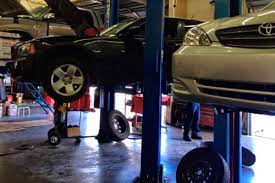
Auto repair shop insurance combines several coverages because a shop faces risks most businesses do not: customers' cars on your lifts and lots, expensive tools and equipment, employees working with heavy machinery, and flammable fluids. Garage liability and garagekeepers coverage sit at the center of most shop programs.
This guide explains each coverage, how garagekeepers options differ, what affects price, and how to prepare for a quote. Blake Insurance Group is an independent agency; a licensed agent can review your operation and compare options available to us.
Request a repair shop insurance quote
Tell us about your shop, and a licensed agent will follow up with options available to us. Submitting the form does not bind coverage.
If the form does not load, call 888-387-3687, Monday through Friday, 9:00 to 5:00, or email admin@blakeinsurancegroup.com.
Prefer to quote online yourself?
Start an auto insurance quote online, without waiting for a call back.
Start an online quote with BOLT →Auto, home, and renters quotes through our secure BOLT online portal.
Sponsored. Each link opens the partner’s website in a new tab, where its terms and privacy policy apply. Blake Insurance Group may be compensated if you buy.
Core coverages
| Coverage | What it covers | Why it matters |
|---|---|---|
| Garage liability (or general liability) | Injuries and property damage arising from your premises and operations | Customer slips, or damage caused while working |
| Garagekeepers coverage | Damage to customers' vehicles in your care, custody, or control | General liability usually excludes customer cars in your care |
| Commercial property | Building, equipment, inventory, and lifts | Fire, theft, and storm damage |
| Tools and equipment (inland marine) | Portable tools and diagnostic equipment | Tools move between locations or vehicles |
| Workers' compensation | Employee injuries | Required in most states once you have employees |
| Commercial auto | Shop-owned vehicles, tow trucks, and parts runners | Personal auto policies exclude business use |
| Umbrella | Liability above underlying limits | Large claims and contract requirements |
General descriptions. Policy forms and availability vary by insurer and state.
Garagekeepers coverage explained
| Option | How it pays | Consideration |
|---|---|---|
| Legal liability | Only when you are legally liable for the damage | Lowest cost; customers may be unhappy when you are not at fault |
| Direct primary | Regardless of fault, without involving the customer's insurance | Best customer experience; higher cost |
| Direct excess | Regardless of fault, after the customer's own insurance pays | Middle ground |
Definitions vary by policy.
Garagekeepers limits should reflect the highest total value of customer vehicles you might have on site at once, including overnight. Shops that work on high-value or classic vehicles need higher limits.
Faulty work and completed operations
If a repair you performed later causes a crash or damage, completed operations coverage under your liability policy may respond to resulting injuries and damage. Many policies exclude the cost of redoing the faulty work itself. Ask how your policy treats faulty workmanship and parts.
Other coverages to consider
- Pollution liability for spills of oil, fuel, and solvents.
- Employment practices liability for hiring and workplace claims.
- Cyber liability for customer data and payment systems.
- Business income to replace lost earnings after a covered property loss.
- Dealer or drive-away coverage if you test drive or deliver customer vehicles on public roads.
What affects the price
- Type of work, such as general repair, collision, transmission, or towing.
- Number of employees and payroll.
- Value of customer vehicles in your care.
- Building construction, fire protection, and security.
- Claims history and safety programs.
- Limits and deductibles.
Reducing risk
- Secure keys and lock vehicles after hours.
- Inspect and maintain lifts, and train staff on safe use.
- Document vehicle condition with photos at drop-off.
- Store and dispose of fluids properly.
- Check driver records for employees who test drive vehicles.
Certificates of insurance
Customers, general contractors, and landlords often require a certificate of insurance showing your business auto limits, and some require being named as an additional insured or a waiver of subrogation. Ask your agent which endorsements your policy includes, and request certificates before work begins. A certificate shows coverage; it does not change it.
Umbrella coverage
Serious commercial vehicle accidents can produce very large claims. A commercial umbrella or excess liability policy adds limits above your business auto, general liability, and employer's liability policies, and many contracts require higher limits than a business auto policy alone provides.
What to have ready
- Business name, address, and years in business.
- Services offered and annual revenue.
- Employees and payroll.
- Building details and security.
- Typical and maximum value of customer vehicles on site.
- Shop-owned vehicles and drivers.
- Five years of claims history.
Verify the insurer and agency
Before buying through any website or app, confirm who is selling you the policy and who will issue it:
- Find the licensed agency or insurer named in the site's footer, terms, or license page.
- Look up the agency or producer on your state insurance department's license search, or through the National Insurance Producer Registry (NIPR).
- Look up the insurer on your state insurance department's company search to confirm it is authorized in your state.
- Save the insurer's name and policy number once issued, since that is who handles claims.
A legitimate service will make this information easy to find. Be cautious if you cannot identify the licensed entity.
Garage policies vs. business owner's policies
Some insurers write auto service businesses on a dedicated garage policy that combines garage liability and garagekeepers, while others use a business owner's policy (BOP) with property and general liability, adding garagekeepers by endorsement. Either approach can work; what matters is that customer vehicles, completed operations, and your tools are covered. Compare the forms, not just the price.
Towing and roadside operations
If your shop tows vehicles, you need commercial auto coverage for the tow truck and on-hook coverage for customer vehicles being towed, which garagekeepers may not include. Tow operators may also need to meet state or local permit and insurance requirements. Tell your agent about any towing, roadside, or vehicle transport work.
Common claim scenarios
| Scenario | Coverage that usually responds |
|---|---|
| A customer slips on an oily floor | Garage or general liability |
| A car falls from a lift | Garagekeepers for the car; workers' comp if an employee is hurt |
| A fire destroys the building and tools | Commercial property and inland marine; business income for lost earnings |
| A brake job fails and causes a crash | Completed operations liability, subject to exclusions |
| A customer's car is stolen from the lot overnight | Garagekeepers, subject to the option chosen |
| An employee crashes the parts van | Commercial auto |
General examples. Coverage depends on policy wording.
Choosing limits
Liability limits of $1 million per occurrence are common for repair shops, and landlords, dealers, and fleet customers may require specific limits and additional insured status. Set garagekeepers limits at the maximum value of customer vehicles on site at one time, and property limits at the cost to replace your building improvements, equipment, and inventory. An umbrella can add protection above your liability and auto policies.
Test drives and employee driving
Test drives and customer vehicle deliveries put your employees behind the wheel of cars you do not own. Garagekeepers covers damage to the customer's vehicle, subject to your option, but liability to others during a test drive depends on your garage or auto coverage. Check motor vehicle records for any employee who drives customer cars, set written rules for test drives, and confirm with your agent how each scenario is covered.
Payment data and cyber risk
Repair shops store customer names, phone numbers, vehicle information, and payment data, and many use cloud-based shop management software. A data breach or ransomware attack can halt operations and trigger notification costs. Cyber liability coverage can pay for breach response, data restoration, business interruption, and related liability, depending on the policy.
Common insurance mistakes for shops
- Relying on general liability for customer cars without garagekeepers.
- Setting garagekeepers limits for an average day rather than the busiest day.
- Leaving portable tools and diagnostic equipment uninsured.
- Using personal auto policies for shop vehicles.
- Underinsuring the building or equipment after upgrades.
- Not reviewing coverage when adding services such as towing or detailing.
Working with an independent agent
Commercial policies vary more than personal auto policies, and two quotes with the same price can cover very different things. An independent agent can compare garage and business owner's programs from several insurers, explain differences in garagekeepers options and exclusions, and help you meet landlord and customer insurance requirements. Review coverage with your agent every year and whenever your operations change.
Annual coverage review
Each year, update your agent on revenue, payroll, new equipment, building improvements, and new services. Many commercial policies are audited at the end of the term based on actual payroll or revenue, so accurate estimates help avoid surprise bills or credits.
State requirements
Most states require workers' compensation once you have employees, and some states require auto repair businesses to register or hold a license with a consumer protection or motor vehicle agency. Commercial vehicles must meet at least state financial responsibility minimums. Confirm the requirements for your state and city before you open or expand.
When a claim happens
Report incidents promptly, document damage with photos, keep the customer informed, and preserve parts and records. For customer vehicles, garagekeepers claims depend on the option you chose, so know whether your policy pays regardless of fault or only when you are liable.
What to have ready for a shop quote
These details help produce accurate quotes.
- Business details. Name, address, and years in business.
- Operations. Services and annual revenue.
- Employees. Headcount and payroll.
- Customer vehicles. Typical and maximum values on site.
- Claims history. The past five years.
Auto repair shop insurance FAQs
Does general liability cover customer cars?
Usually not while they are in your care; garagekeepers does.
What is garage liability?
Liability coverage designed for auto service businesses.
Do I need workers' comp?
Most states require it once you have employees.
Does commercial auto cover customer cars I test drive?
Not usually; ask about garagekeepers and dealer coverage.
What is direct primary garagekeepers?
Coverage that pays for customer vehicle damage regardless of fault.
Are my tools covered?
Through property or inland marine coverage, depending on the policy.
What affects my premium?
Work type, payroll, vehicle values, building, and claims.
Can an agent bundle coverages?
Many insurers offer garage or business owner's packages.
Related guides
Partner quote options
Sponsored
Blake Insurance Group works with the partners below. Each link opens the partner's own website, where its terms, eligibility rules, and privacy policy apply. Blake Insurance Group may be compensated if you buy through these links.
- Thimble small business insurance: Short-term and on-demand business insurance quotes from Thimble.
Important information
Compensation. Links in the partner quote box near the top of this page and in the partner section are sponsored, and Blake Insurance Group may be paid if you make a purchase. Sponsored placement does not affect the other information on this page.
Independent agency. Blake Insurance Group LLC is an independent insurance agency. Licensed insurance producer NPN 16117464. Licensed states: AZ, AL, TX, CA, NY, OH, FL, NC, VA, GA, OK, NM, IA, KS, MI, NE, SC, SD, WV, IL, NJ, PA, TN, and WA. Which insurance companies we can quote depends on our current appointments, the product, and your state. Mentioning a company on this page does not mean we represent it.
Business insurance. Coverage forms, limits, and availability vary by insurer and state, and are subject to underwriting. This page is general information, not legal advice.
Legal requirements. State requirements summarized here are general information as of October 2026 and can change. This page is not legal advice; confirm current rules with your state's insurance regulator or motor vehicle agency.
Availability. Coverage, prices, discounts, and eligibility vary by insurer, state, and applicant, and are subject to underwriting. The issued policy controls.
Your next step
Request a quote, and a licensed agent will compare options available to us using the coverage you choose.
Share This




Customer Reviews
Blake Insurance Group
Phone: (888) 387-3687
Email: admin@blakeinsurancegroup.com
Hours: Mon-Fri 9:00 am to 5:00 pm
Sat-Sun: Closed

Blake Nwosu
Owner & Principal Agent