Long-Term Care Insurance — Plans, Hybrids & How to Choose (Nationwide)
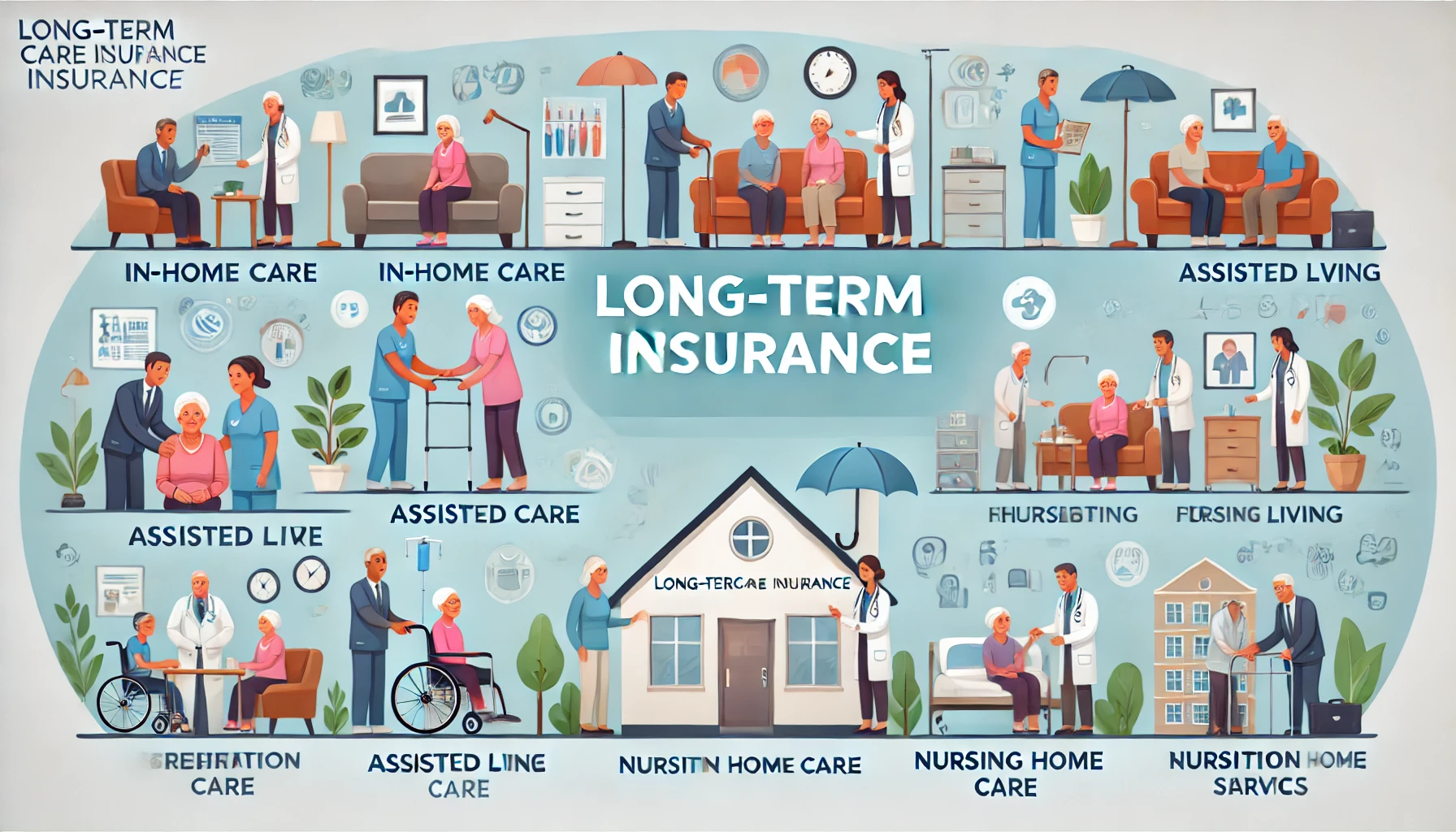
Long-term care (LTC) is about preserving choices—the ability to receive help at home, in assisted living, memory care, or a nursing facility without draining retirement assets or burdening family. As an independent agency, Blake Insurance Group helps you compare traditional LTC policies and hybrid life/annuity policies with LTC benefits, then tailor a design to your health, budget, and care preferences. We structure quotes so you can see how monthly benefit, inflation protection, and waiting periods affect both premium and real-world care.
What LTC insurance covers
Care settings
Home health aides, adult day care, assisted living, memory care, and skilled nursing—benefits follow where care is delivered, up to policy limits.
Benefit triggers
Typically when a licensed professional certifies you need help with two or more Activities of Daily Living (ADLs) or you have a qualifying cognitive impairment (per contract definitions).
Why it matters
Pre-funds a portion of future care costs so family can focus on decisions—not invoices—and you can choose home care longer if that’s your preference.
Who it helps
Couples protecting retirement assets, solo retirees prioritizing independence, and adult children planning ahead for parents.
Coverage snapshot & key decisions
Use this table to structure your decision. We’ll model options so you can see premiums and protection side-by-side.
| Decision | What it controls | Common choices | Planning tip |
|---|---|---|---|
| Monthly benefit | Max dollars paid per month for care | $3,000–$10,000+ | Anchor to current home-care/assisted-living quotes in your ZIP |
| Benefit period / pool | Total years or pooled dollars available | 2–6 years; shared pool for couples | Shared care can stretch benefits between spouses |
| Inflation protection | How benefits grow over time | 3% or 5% compound; CPI-linked | Essential if you’re under 65 to keep pace with rising costs |
| Elimination period | Waiting days before benefits pay | 0–180 days (30–90 common) | Shorter waits cost more but reduce early out-of-pocket risk |
| Home-care features | Whether benefits fully cover care at home | Up to 100% home care; care coordination; caregiver training | If aging in place matters, prioritize full home-care benefits |
| Return of premium / riders | Premium recovery & flexibility | Nonforfeiture, shared care, RoP (varies) | Balance flexibility vs added cost |
Traditional vs hybrid (life/annuity with LTC)
Traditional LTC
Generally the most LTC per premium dollar. Flexible designs and strong inflation options. Premiums do not build cash value and may change per contract terms.
Hybrid Life/Annuity + LTC
Combines a life insurance death benefit or annuity value with LTC riders. If care is never needed, value passes to beneficiaries; if care is needed, riders unlock tax-advantaged LTC benefits. Often single-pay or multi-pay with fixed premiums.
Not sure which path fits? Use our LTC form for traditional quotes and the hybrid link to test life-with-LTC scenarios in minutes.
What drives cost & how to save
- Age & health: Applying younger/healthier improves approval odds and pricing.
- Benefit design: Higher monthly benefits, longer periods, and stronger inflation riders raise premium.
- Elimination period: 30–90 days is common; shorter waits cost more but reduce early out-of-pocket during a claim.
- Individual vs shared care: Couples often gain efficiency with a shared pool of benefits.
- Hybrid structure: Single-pay vs 10-pay, cash-value growth, and rider strength influence cost and flexibility.
- Billing mode & fees: Annual/EFT and paperless options can trim administrative costs.
Underwriting: how approvals work
Carriers review your application, health questions, prescription history, and in some cases medical records or an exam. We’ll pre-screen health items (mobility, height/weight, conditions, meds) to aim you at the right carrier on the first try. Prefer speed and predictability? We can also illustrate hybrid life with LTC riders that use simplified or accelerated underwriting.
What to have ready: physicians and medications list, preferred budget, and whether home care or facility is your priority.
“Near me” service areas & licensed states
We serve clients nationwide and coordinate with local providers and advisors. Here are common areas and our active producer states:
| Service area | Common requests | Notes |
|---|---|---|
| Nationwide (virtual) | Traditional & hybrid quotes, care-at-home designs | Video reviews; doc e-delivery; caregiver coordination tips |
| Licensed states | AZ, AL, TX, CA, NY, OH, FL, NC, VA, GA, OK, NM, IA, KS, MI, NE, SC, SD, WV | |
| Major metros | Home-care-first designs; inflation comparisons | We model 3% vs 5% compound and shared care for couples |
FAQs
When should I buy long-term care insurance?
Many people apply in their 50s–60s while healthy enough to qualify and before premiums rise with age. Starting earlier broadens options and may lower cost.
Does LTC insurance pay for care at home?
Yes—many policies pay home-care benefits up to the same level as facility care. Confirm your policy’s home-care percentage, caregiver training, and care-coordination features.
What is the elimination period?
It’s the waiting period (e.g., 30–90 days) before benefits start. Shorter waits raise premium but reduce early out-of-pocket costs during a claim.
How do hybrid policies differ from traditional LTC?
Hybrids pair life or annuity value with LTC riders, providing benefits if care is needed and a death benefit or value if it isn’t. Traditional LTC usually provides more LTC per premium dollar but no death benefit.
Are there tax advantages?
Some policies and riders may have favorable tax treatment under current rules. Consult a qualified tax advisor for personalized guidance.
What if I’m declined?
We can re-shop alternative carriers or pivot to a hybrid design with different underwriting. We’ll outline options before you apply.
Related topics
Disclosure
Product availability, underwriting, and rider options vary by carrier and state. This page is general information, not legal, tax, or benefit advice. Policy features and definitions (ADLs, cognitive impairment, benefit triggers) are governed by contract language. Blake Insurance Group: Licensed insurance producer (NPR/NPN 16944666).
Share This




Customer Reviews
Blake Insurance Group
Phone: (888) 387-3687
Email: info@blakeinsurancegroup.com
Hours: Mon-Fri 9:00 am to 5:00 pm
Sat-Sun: Closed

Blake Nwosu
Owner & Principal Agent