Compare Car Insurance Quotes Online: How to Shop Rates, Coverage, Deductibles, and Real Policy Value
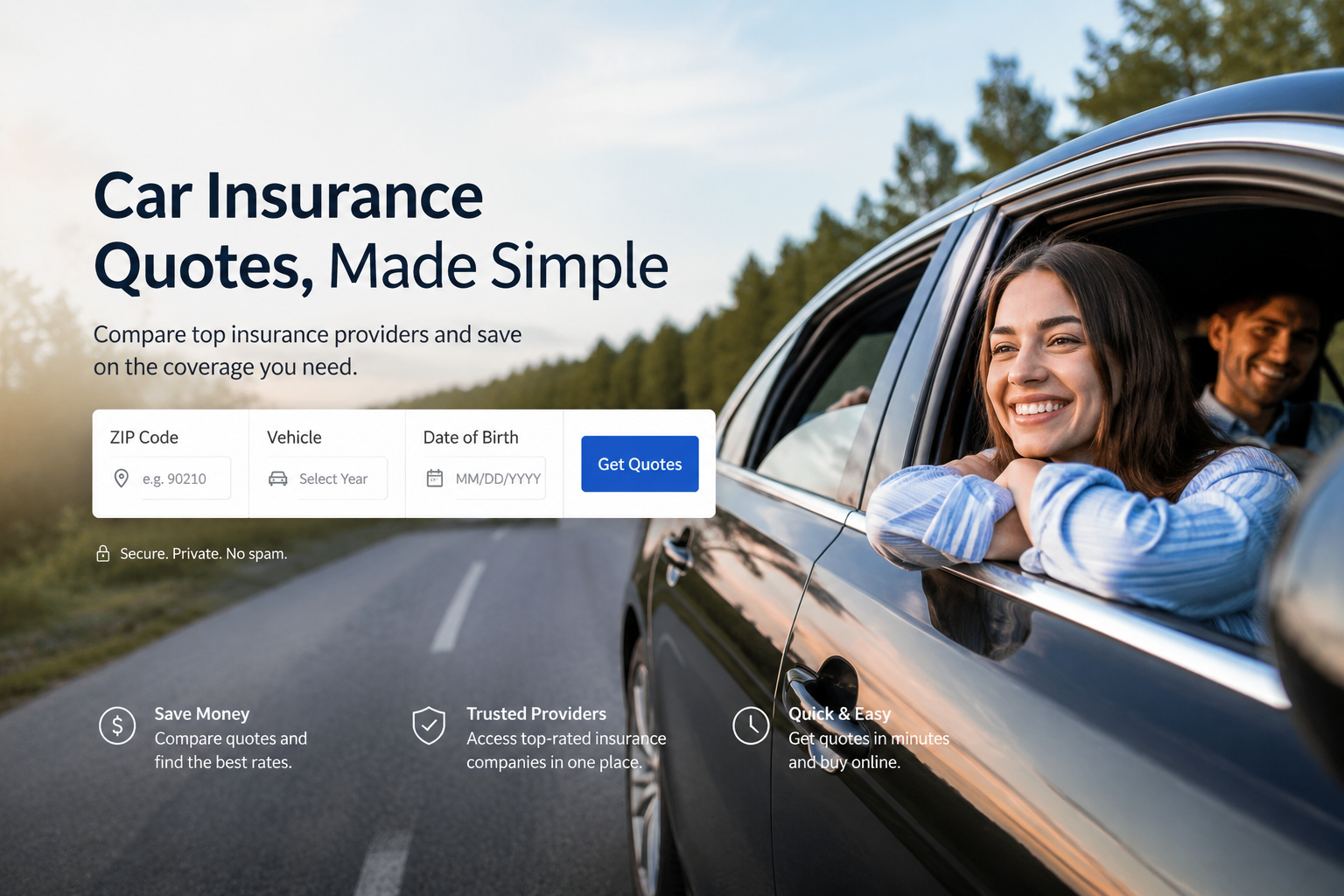
Comparing car insurance quotes online should be simple, but a useful quote comparison is more than finding the lowest monthly payment. A lower premium can be created by reducing liability limits, increasing deductibles, removing uninsured motorist coverage, dropping rental reimbursement, changing vehicle use, or leaving out a driver who should be listed. In 2026, the smarter way to shop is to compare the full policy design—coverage, limits, deductibles, discounts, claims support, and insurer fit—before deciding which quote is truly the better value.
Blake Insurance Group helps drivers compare car insurance quotes with a practical, apples-to-apples approach. Whether you are buying your first policy, replacing a policy that increased at renewal, adding a teen driver, moving to a new state, financing a vehicle, needing an SR-22 filing, or reviewing full coverage versus liability-only, the goal is the same: build a quote that matches your real driving situation and then compare options fairly.
A quote is only as accurate as the information used to create it. Use the same drivers, vehicles, garaging address, coverage limits, deductibles, mileage, and vehicle use on every quote so the comparison is not distorted.
Quick snapshot: what makes a car insurance quote worth comparing?
A good car insurance quote comparison uses matching inputs, matching coverage levels, realistic deductibles, accurate driver information, and clear disclosure of optional coverages. The cheapest quote is not automatically the best quote if the protection was reduced to make the price look lower.
| Quote question | What to compare | Why it matters |
|---|---|---|
| Are the liability limits the same? | Bodily injury, property damage, uninsured motorist, and underinsured motorist limits. | One quote may be cheaper because it gives you less protection after a serious accident. |
| Are deductibles equal? | Collision, comprehensive, glass, and any separate deductible choices. | A higher deductible can lower premium but increase your claim-day out-of-pocket cost. |
| Are all drivers listed? | Household drivers, teen drivers, excluded drivers, and occasional drivers. | Missing driver information can create a misleading quote and possible underwriting issues. |
| Is the vehicle use correct? | Commute, pleasure, business use, rideshare, delivery, annual mileage, and garaging ZIP. | Vehicle use can change eligibility, pricing, and whether the policy fits the exposure. |
How to compare car insurance quotes online without being misled by the cheapest number
Online quote tools can make shopping faster, but they can also make it easy to compare the wrong things. If one quote is based on state-minimum liability, a high collision deductible, no rental reimbursement, and missing household information, it may look cheaper than a quote that is actually built more responsibly. That does not mean the lower quote is useless. It means you need to understand what changed.
Start by choosing a baseline. Decide whether you want to compare minimum liability, stronger liability, or full coverage. Then use that same baseline with every carrier or quote platform. If you are financing or leasing a vehicle, your lender may require comprehensive and collision coverage. If you own the vehicle outright, you may have more flexibility, but you still need to decide whether you can afford to repair or replace the vehicle after an at-fault accident, theft, fire, vandalism, weather loss, flood, animal collision, or hit-and-run situation.
A clean comparison should also include service expectations. Some drivers want the lowest possible compliant policy. Others want stronger liability limits, local agent help, claims guidance, roadside assistance, rental car reimbursement, accident forgiveness options, telematics savings, or a bundle with home, renters, condo, motorcycle, boat, RV, or umbrella coverage. The right quote depends on the driver, vehicle, household, financial risk, and state requirements.
If a quote changes after underwriting, it is often because new information was discovered: driving history, prior insurance, vehicle garaging, undisclosed drivers, claims history, VIN details, mileage, or discount eligibility. Accurate information upfront helps prevent surprises later.
Car insurance coverage options to review before choosing a quote
Car insurance is usually built from several coverage parts. Liability coverage helps protect you when you are legally responsible for injuries or property damage to others. Collision coverage helps pay for covered damage to your vehicle from a collision, subject to your deductible and policy terms. Comprehensive coverage helps with non-collision losses such as theft, fire, vandalism, certain weather events, flood, falling objects, animal damage, and glass damage, depending on the policy. Medical payments, personal injury protection, uninsured motorist, underinsured motorist, rental reimbursement, towing, roadside assistance, and loan or lease gap coverage may also be available depending on your state and insurer.
| Coverage | What it may help cover | Quote review tip |
|---|---|---|
| Bodily injury liability | Injuries to others when you are legally responsible for an accident. | Compare limits carefully; state minimums may not be enough for serious crashes. |
| Property damage liability | Damage you cause to another person’s vehicle, fence, building, or other property. | Review whether the limit is realistic for today’s repair and replacement costs. |
| Collision | Covered damage to your vehicle from a collision, regardless of fault, subject to policy terms. | Choose a deductible you could actually pay after a loss. |
| Comprehensive | Theft, fire, vandalism, animal damage, hail, flood, glass, and other non-collision losses. | Important for many financed, leased, newer, or higher-value vehicles. |
| UM/UIM | Losses involving uninsured or underinsured drivers, depending on state rules and policy form. | Compare this coverage separately; it can be a major protection gap if removed. |
| Rental reimbursement | Temporary rental transportation after a covered claim. | Review daily limits and maximum payout period before assuming you are covered. |
| Roadside or towing | Help with towing, lockouts, jump starts, fuel delivery, or breakdown assistance. | Compare with any auto club or manufacturer roadside benefits you already have. |
Liability-only vs full coverage car insurance quotes
One of the biggest quote decisions is whether to compare liability-only or full coverage. Liability-only usually means the policy focuses on damage or injuries you cause to others. It generally does not pay to repair or replace your own vehicle after an at-fault crash. Full coverage is not a single standardized policy term, but shoppers commonly use it to describe a policy that includes liability plus comprehensive and collision coverage. Depending on the insurer and state, it may also include or offer medical payments, uninsured motorist, rental reimbursement, roadside assistance, and other optional protection.
Liability-only may make sense for some older, low-value vehicles when the driver can afford to replace the car without insurance help. Full coverage may be more appropriate for financed vehicles, leased vehicles, newer vehicles, higher-value vehicles, households that cannot absorb a vehicle loss, and drivers who want protection against theft, weather, vandalism, glass, fire, flood, animal damage, and collision losses. The right answer is not the same for every driver.
| Policy path | Usually considered when | Main caution |
|---|---|---|
| State-minimum liability | You need the lowest compliant option available and understand the risk. | Minimum limits can leave you personally exposed after a serious at-fault loss. |
| Higher liability limits | You want stronger protection for assets, income, and lawsuit exposure. | Premium may increase, but the added protection can be important. |
| Full coverage quote | Your car is financed, leased, newer, valuable, or difficult to replace out of pocket. | Deductibles, exclusions, claim settlement terms, and lender requirements still matter. |
| Bundled auto quote | You also insure a home, renters policy, condo, motorcycle, RV, boat, or umbrella. | Compare the total household premium, not just the auto line by itself. |
What affects car insurance quotes in 2026?
Car insurance rates can vary widely because insurers evaluate drivers, vehicles, locations, coverage choices, and household information differently. The same driver may receive different quotes from different companies because each insurer has its own underwriting appetite, rating model, discount structure, claim history assumptions, repair cost data, and state filing rules. That is why comparing more than one option can matter.
Common pricing factors include driving record, claims history, prior insurance, age and experience of drivers, vehicle year, make and model, repair cost, safety features, garaging ZIP code, annual mileage, commute distance, vehicle use, selected limits, deductibles, optional coverages, payment plan, bundling, telematics enrollment, and discount eligibility. In some states, additional rating rules may apply or certain rating factors may be limited by law.
| Factor | Why it can change the quote | Smart shopping step |
|---|---|---|
| Driving record | Tickets, accidents, DUIs, and violations can affect eligibility and premium. | Quote honestly and re-shop when violations age or fall off. |
| Vehicle type | Repair costs, theft risk, safety ratings, parts availability, and vehicle value matter. | Check insurance cost before buying or financing a vehicle. |
| Coverage limits | Higher liability limits and optional coverage can raise premium but improve protection. | Compare both minimum and stronger coverage when deciding value. |
| Deductibles | Higher deductibles may reduce premium but shift more cost to you after a claim. | Choose a deductible based on cash flow, not just monthly savings. |
| Discounts | Multi-policy, multi-car, safe driver, good student, telematics, pay-in-full, and paperless discounts may apply. | Ask which discounts are included and which require enrollment or proof. |
Car insurance quote paths by driver profile
Not every driver should shop the same way. A family with two vehicles and a teen driver needs a different review than a single driver with one paid-off older car. A driver needing an SR-22 filing needs a different carrier fit than a preferred driver with a clean record. A rideshare or delivery driver needs to disclose app-based driving because a personal auto policy may not cover every business-use situation. A business owner using vehicles for work should review whether commercial auto insurance is needed instead of personal auto coverage.
| Driver profile | What to review | Common mistake to avoid |
|---|---|---|
| New driver or first policy | Driver history, prior household coverage, vehicle ownership, and required state limits. | Buying the cheapest policy without understanding deductibles or exclusions. |
| Teen driver household | Good student discounts, driver training, vehicle assignment, and multi-car pricing. | Forgetting to compare the total household premium after the teen is added. |
| SR-22 or high-risk driver | Filing availability, payment options, reinstatement needs, and honest violation history. | Choosing a carrier that cannot handle the required filing or profile. |
| Financed or leased vehicle | Lender requirements, comprehensive, collision, deductibles, and loss payee details. | Removing required coverage and risking lender force-placed insurance. |
| Rideshare or delivery driver | App use, delivery exposure, transportation network company coverage, and endorsements. | Assuming personal auto automatically covers business or app-based driving. |
| Arizona driver | Arizona minimum liability requirements, higher limit options, UM/UIM, and heat-related vehicle risks. | Stopping at 25/50/15 without considering repair costs, lawsuits, or asset protection. |
What to prepare before getting car insurance quotes online
Preparing the right information before you start can make the quote faster and more accurate. You do not need to know every coverage answer before using a quote tool, but you should gather the basic facts that affect underwriting and pricing. If you already have insurance, your current declarations page is one of the best comparison tools because it shows your existing limits, deductibles, drivers, vehicles, discounts, and policy term.
| Information to gather | Examples | Why it helps |
|---|---|---|
| Driver information | Names, dates of birth, license numbers, household drivers, violations, accidents. | Helps prevent quote changes after reports are reviewed. |
| Vehicle information | VIN, year, make, model, trim, ownership, safety features, garaging address. | Vehicle details can strongly affect repair cost and eligibility. |
| Current policy | Declarations page, renewal premium, limits, deductibles, discounts, effective dates. | Makes apples-to-apples comparison easier. |
| Coverage preference | Liability-only, full coverage, higher liability limits, rental, roadside, UM/UIM. | Clarifies whether you are shopping for price, protection, or both. |
| Use and mileage | Commute miles, annual mileage, pleasure use, business use, rideshare or delivery. | Incorrect use can create eligibility and claim problems. |
Compare car insurance quotes online
Use the online quote tool below to begin comparing car insurance options. For the most accurate result, enter complete driver and vehicle information, review your coverage choices carefully, and avoid reducing protection just to chase the lowest initial premium. If you are not sure whether to choose liability-only, full coverage, higher liability limits, uninsured motorist protection, rental reimbursement, roadside assistance, or different deductibles, use the quote process as a starting point and then review the options with a licensed insurance professional.
The quote tool may open or route through the provider experience. Coverage is not bound until underwriting, payment, and insurer confirmation are completed.
Car insurance quote FAQs
What is the best way to compare car insurance quotes online?
Use the same drivers, vehicles, garaging address, coverage limits, deductibles, mileage, and vehicle use on every quote. Then compare the premium, policy terms, optional coverages, discounts, and claim-day out-of-pocket exposure.
Is the cheapest car insurance quote always the best?
Not automatically. A cheaper quote may have lower liability limits, higher deductibles, fewer optional coverages, missing drivers, or different assumptions. The best quote is the one that fits your vehicle, budget, legal requirements, and financial risk.
What information do I need for an accurate car insurance quote?
Prepare driver names, dates of birth, license information, vehicle VINs, garaging address, current declarations page, driving history, annual mileage, vehicle use, lender information, and your preferred coverage limits and deductibles.
Should I compare liability-only and full coverage quotes?
Yes, when it makes sense for your vehicle and budget. Liability-only may reduce premium, but it generally does not repair or replace your own vehicle after an at-fault crash. Full coverage is commonly used for financed, leased, newer, or higher-value vehicles.
What are Arizona’s minimum auto insurance limits?
Arizona minimum liability limits are commonly shown as 25/50/15: $25,000 bodily injury per person, $50,000 bodily injury per accident, and $15,000 property damage liability. Many drivers compare higher limits because minimum coverage may not fully protect them after a serious accident.
Can I get car insurance quotes if I need an SR-22?
Yes. Be upfront about the filing need, violation history, license status, and reinstatement requirements. Not every insurer handles SR-22 filings the same way, so comparing the right carriers is important.
Why did my online quote change before purchase?
Quotes can change when underwriting verifies driving records, claims history, prior insurance, VIN details, household drivers, garaging address, discounts, payment plan, or eligibility. Complete and accurate information helps reduce quote changes.
Independent agency: Blake Insurance Group LLC is an independent insurance agency and is not affiliated with any single auto insurance company, quote platform, lender, vehicle manufacturer, or government agency.
Licensing: Licensed insurance producer (NPN 16944666). Blake Nwosu, owner and principal agent, license 16117464.
Important: Auto insurance availability, eligibility, premiums, discounts, limits, deductibles, filings, payment plans, underwriting approval, claims handling, optional coverage, cancellation rules, and policy terms vary by insurer, state, driver, vehicle, garaging address, and policy form. Coverage is not bound until the application is completed, underwriting requirements are satisfied, payment is accepted where required, and the insurer confirms the effective date. Your issued policy controls coverage.
Service note: This page is general insurance information only and is not legal, tax, financial, lending, vehicle safety, or claims advice. Always review your policy documents and speak with a licensed insurance professional about your specific situation.
Trademarks: Any carrier, platform, lender, manufacturer, or program names are trademarks™ or registered® trademarks of their respective owners. Use of names does not imply affiliation or endorsement.





Reviews are loaded from Google when you click “View reviews.”