What Does a Home Warranty Cover? 2026 Guide to Appliances, Systems, Add-Ons, Exclusions, and Service Fees
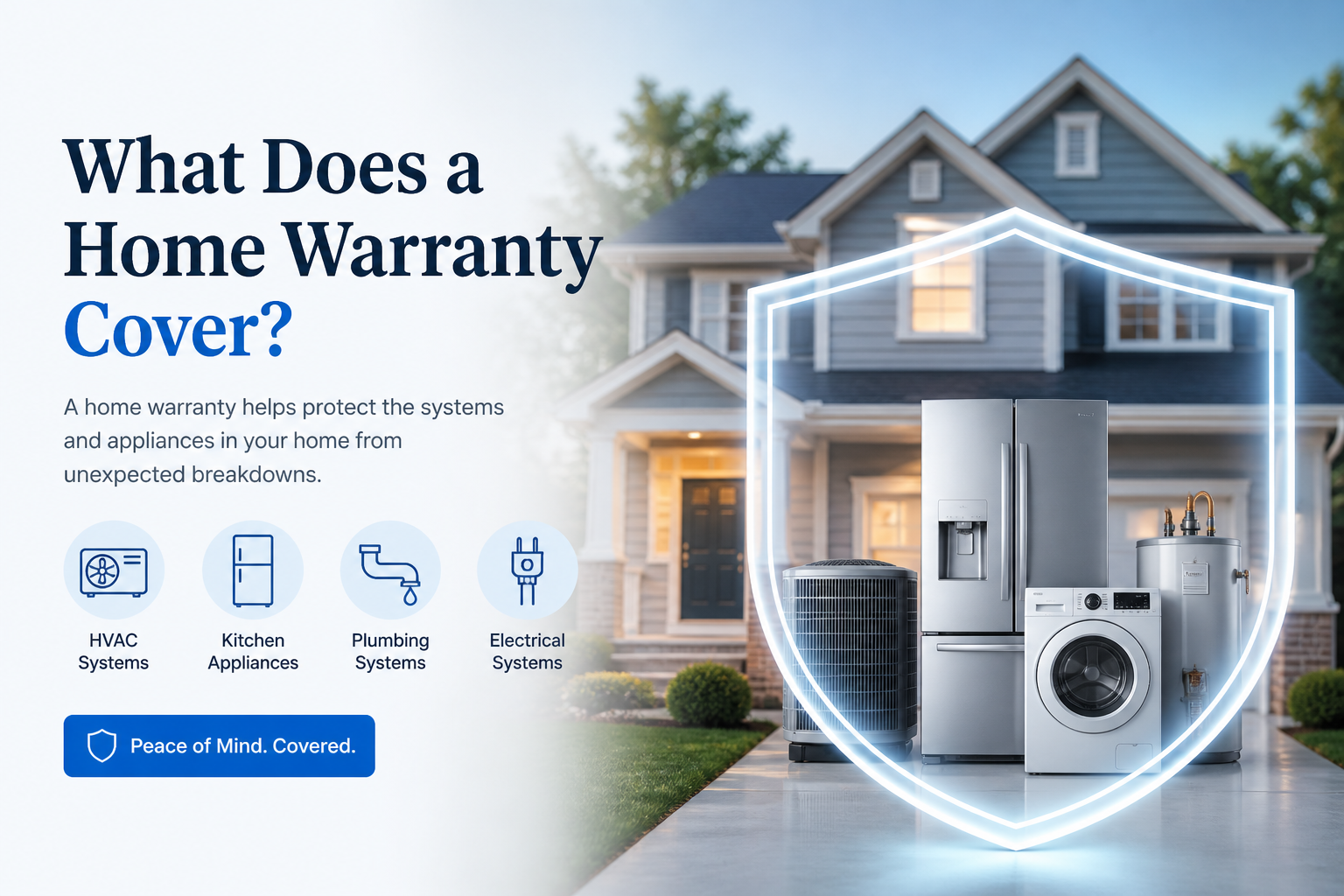
A home warranty typically covers repair or replacement help for selected home systems and appliances when they break down from normal wear and tear. In 2026, most home warranty plans still fall into the same practical categories: appliance coverage, systems coverage, combo coverage, and optional add-ons. The details matter because every provider uses its own service contract, claim rules, coverage caps, waiting periods, contractor process, and exclusions.
The most important thing to understand is simple: a home warranty is not the same as homeowners insurance. Homeowners insurance is designed for covered property losses and liability events, such as fire, theft, wind, hail, and certain sudden accidental damage situations listed in the policy. A home warranty is usually a service contract for covered breakdowns of specific items inside the home, such as HVAC, electrical, plumbing, water heaters, refrigerators, ovens, dishwashers, washers, dryers, and garage door openers.
If you are searching for home warranty coverage near me, compare plans by your ZIP code, home age, system age, appliance condition, service fee, contractor process, and the exact sample contract—not just the headline list of covered items.
Quick facts: what a home warranty usually covers in 2026
Use this table as a first-pass guide. Your actual coverage depends on the plan tier, provider contract, covered item list, exclusions, service fee, claim limit, and whether an item failed from normal wear and tear.
| Coverage area | Common examples | Usually covered when | What to verify |
|---|---|---|---|
| Appliances | Refrigerator, dishwasher, oven, range, washer, dryer, built-in microwave | The appliance is listed in the contract and fails from normal wear and tear | Parts covered, replacement rules, caps, and excluded components |
| Systems | HVAC, heating, plumbing, electrical, water heater, garage door opener | The system is included in the selected plan and failure is not excluded | System caps, access work, code upgrades, maintenance requirements |
| Add-ons | Pool, spa, septic, well pump, roof leak, second refrigerator, freezer | The optional add-on is purchased and the claim fits contract terms | Separate limits, waiting periods, exclusions, and added monthly cost |
| Service process | Service request, technician dispatch, diagnosis, approval, repair or replacement | The claim is submitted correctly and approved under the plan | Service fee, contractor rules, emergency service, repeat visit terms |
| Limits | Per-item caps, system caps, annual caps, replacement caps | The contract pays only up to stated limits | Maximum payout before enrolling |
What does a home warranty cover?
A home warranty usually covers selected appliances and/or home systems that fail because of normal wear and tear. The coverage is not automatic for every item in the house. Each plan has a contract that defines covered items, covered parts, exclusions, claim limits, service fees, and the provider’s authority to repair, replace, or offer a cash-out amount.
Most homeowners compare three plan types. Appliance-only coverage focuses on kitchen and laundry appliances. Systems-only coverage focuses on mechanical systems that keep the home functional. Combo plans include both categories and are often the easiest starting point for homeowners who want broader protection. Optional add-ons can expand coverage for specialty items such as pool equipment, spa equipment, septic systems, well pumps, limited roof leak repair, second refrigerators, stand-alone freezers, or guest-unit items.
| Category | Common covered items | Best fit | Watch-outs |
|---|---|---|---|
| Appliance coverage | Refrigerator, oven, range, cooktop, dishwasher, garbage disposal, washer, dryer, built-in microwave | Homes with aging kitchen or laundry appliances | Ice makers, smart features, racks, doors, cosmetic parts, and second units may be excluded or require add-ons |
| Systems coverage | Air conditioning, heating, ductwork, plumbing, electrical, water heater, garage door opener | Homes where major system repair costs are the biggest concern | Pre-existing issues, maintenance problems, code upgrades, access work, and improper installation may be excluded |
| Combo coverage | Major systems plus common appliances | First-time homeowners, older homes, landlords, and broad-protection shoppers | Higher monthly price; still subject to limits, exclusions, and service fees |
| Optional add-ons | Pool, spa, septic, well pump, roof leak, freezer, second refrigerator, guest unit | Homes with specialty features outside standard coverage | Add-ons may have separate caps, claim rules, and waiting periods |
Appliance coverage: kitchen and laundry items
Appliance coverage is one of the easiest parts of a home warranty to understand, but it still requires careful review. A plan may cover a refrigerator, oven, dishwasher, washer, and dryer, but it may not cover every part inside those appliances. Some contracts limit coverage for sealed systems, ice makers, handles, shelves, racks, rollers, cosmetic parts, knobs, smart-home components, or improper installation. Other plans may cover one primary refrigerator but require an add-on for a second refrigerator or stand-alone freezer.
| Appliance | Often included | Common contract questions |
|---|---|---|
| Refrigerator | Mechanical breakdown of listed covered parts | Are ice makers, water dispensers, sealed systems, and second refrigerators covered? |
| Dishwasher | Motor, pump, and selected operating components | Are racks, baskets, door seals, leaks, and installation-related failures excluded? |
| Oven / range / cooktop | Heating elements and selected mechanical parts | Are glass tops, knobs, lights, clocks, and cosmetic parts excluded? |
| Washer / dryer | Selected mechanical or electrical failures | Are belts, drums, sensors, lint issues, venting, and overloading excluded? |
Systems coverage: HVAC, plumbing, electrical, and water heaters
Systems coverage is where home warranty contract language becomes especially important. HVAC, plumbing, electrical, and water heater repairs can be expensive, but the plan may include claim caps, excluded components, maintenance requirements, and special rules for access or code upgrades. For example, a plan may cover an air conditioner but limit refrigerant, ductwork, modifications, or mismatched equipment. A plumbing claim may cover a covered pipe failure but exclude stoppages caused by roots, collapsed lines, or problems outside the home’s foundation.
Optional add-ons: when standard coverage is not enough
Add-ons can make a home warranty more useful, but they can also raise the total price quickly. Before adding every option, focus on the items that would create the biggest budget problem if they failed. Common add-ons include pool and spa equipment, septic systems, well pumps, roof leak protection, stand-alone freezers, second refrigerators, guest units, and sometimes enhanced coverage packages.
| Add-on | Why homeowners consider it | What to verify |
|---|---|---|
| Pool / spa | Pool pumps, heaters, and filtration equipment can be expensive to repair | Covered components, saltwater systems, heaters, valves, plumbing, and caps |
| Septic / well pump | Rural homes may rely on systems not included in standard plans | Pump coverage, tank coverage, line exclusions, access work, and diagnostics |
| Roof leak | May help with limited leak repair in specific situations | Material exclusions, structural damage, improper installation, and payout limits |
| Extra appliances | Second refrigerators, freezers, and guest units may not be standard | Unit count, location, condition, age, and separate coverage caps |
What does a home warranty usually not cover?
Home warranty exclusions are just as important as the covered item list. Many claim disputes happen because the homeowner sees a covered category, such as plumbing or HVAC, but does not review the excluded causes or parts. Common exclusions may include pre-existing conditions, improper installation, poor maintenance, rust, corrosion, sediment, misuse, cosmetic damage, missing parts, commercial use, manufacturer defects, code upgrades, permit fees, haul-away, disposal, access work, and items outside the home’s main structure.
A sales page may summarize coverage, but the contract controls the claim. Review exclusions, caps, service fee terms, waiting periods, cancellation rules, and replacement language before you buy.
How home warranty claims usually work
The claim process usually starts when a covered item fails. You submit a service request, pay the service fee, and the provider dispatches or approves a technician. The technician diagnoses the issue, then the provider decides whether the contract allows repair, replacement, cash-out, or denial. The provider may choose the contractor, decide whether replacement is comparable, and apply plan limits before payment.
| Step | What happens | What to ask before enrolling |
|---|---|---|
| Service request | You report the breakdown to the provider | How are urgent issues handled after hours? |
| Service fee | You pay a trade call fee or dispatch fee | Does the fee apply per visit, per trade, or per issue? |
| Diagnosis | A technician determines the cause of failure | Can you use your own contractor with approval? |
| Decision | The provider approves repair, replacement, cash-out, or denial | Who decides replacement value and comparable equipment? |
| Follow-up | Repair is completed or next steps are issued | What workmanship guarantee applies if the issue returns? |
Compare home warranty coverage for your home
The best way to choose a home warranty is to begin with your actual repair profile. List your HVAC age, water heater age, refrigerator age, washer and dryer age, plumbing concerns, electrical concerns, and any specialty items such as pool, spa, septic, well pump, roof leak, or second refrigerator coverage. Then compare plan tiers by annual price, service fee, covered items, claim limits, exclusions, and the provider’s repair process.
A strong home warranty plan should be easy to understand before you enroll. You should know what is covered, what is not covered, how much the service fee is, when coverage begins, how contractors are assigned, what limits apply, and how replacement decisions are handled.
Coverage is not active until you complete enrollment, satisfy any waiting period, and the provider confirms the plan terms. Your contract controls all coverage decisions.
Related topics
What does a home warranty cover FAQs (2026)
What does a home warranty typically cover?
A home warranty typically covers selected appliances and home systems that fail from normal wear and tear. Common examples include HVAC, heating, plumbing, electrical, water heaters, refrigerators, ovens, dishwashers, washers, and dryers, depending on the plan.
Does a home warranty cover HVAC?
Many systems or combo plans include HVAC coverage, but limits and exclusions vary. Review equipment types, maintenance requirements, refrigerant rules, ductwork coverage, replacement caps, and excluded components before enrolling.
Does a home warranty cover appliances?
Many appliance or combo plans cover selected kitchen and laundry appliances, such as refrigerators, ovens, dishwashers, washers, and dryers. Secondary appliances, cosmetic parts, smart features, and certain components may be excluded or require add-on coverage.
What is not covered by a home warranty?
Common exclusions may include pre-existing conditions, poor maintenance, improper installation, cosmetic damage, misuse, code upgrades, permits, access work, disposal, commercial use, and items not listed in the contract.
Is a home warranty the same as homeowners insurance?
No. A home warranty is a service contract for covered breakdowns from normal wear and tear. Homeowners insurance covers policy-defined property losses, liability, personal property, and loss-of-use situations.
Independent agency: Blake Insurance Group LLC is an independent insurance agency and is not affiliated with any single home warranty company, service contract provider, or insurance carrier.
Licensing: Licensed insurance producer (NPN 16944666).
Important: Home warranty plans are service contracts, not homeowners insurance. Plan availability, pricing, service fees, waiting periods, covered items, exclusions, contractor networks, payout caps, replacement rules, and claim procedures vary by provider, ZIP code, plan, and contract version. Your contract controls coverage.
Trademarks: All company names, product names, trademarks™, and registered® trademarks belong to their respective owners. Use of names does not imply affiliation, sponsorship, or endorsement.





Reviews are loaded from Google when you click “View reviews.”