Supplemental Insurance Plans (2026): Compare Extra Coverage for Accidents, Hospital Stays, Critical Illness, and Everyday Gaps
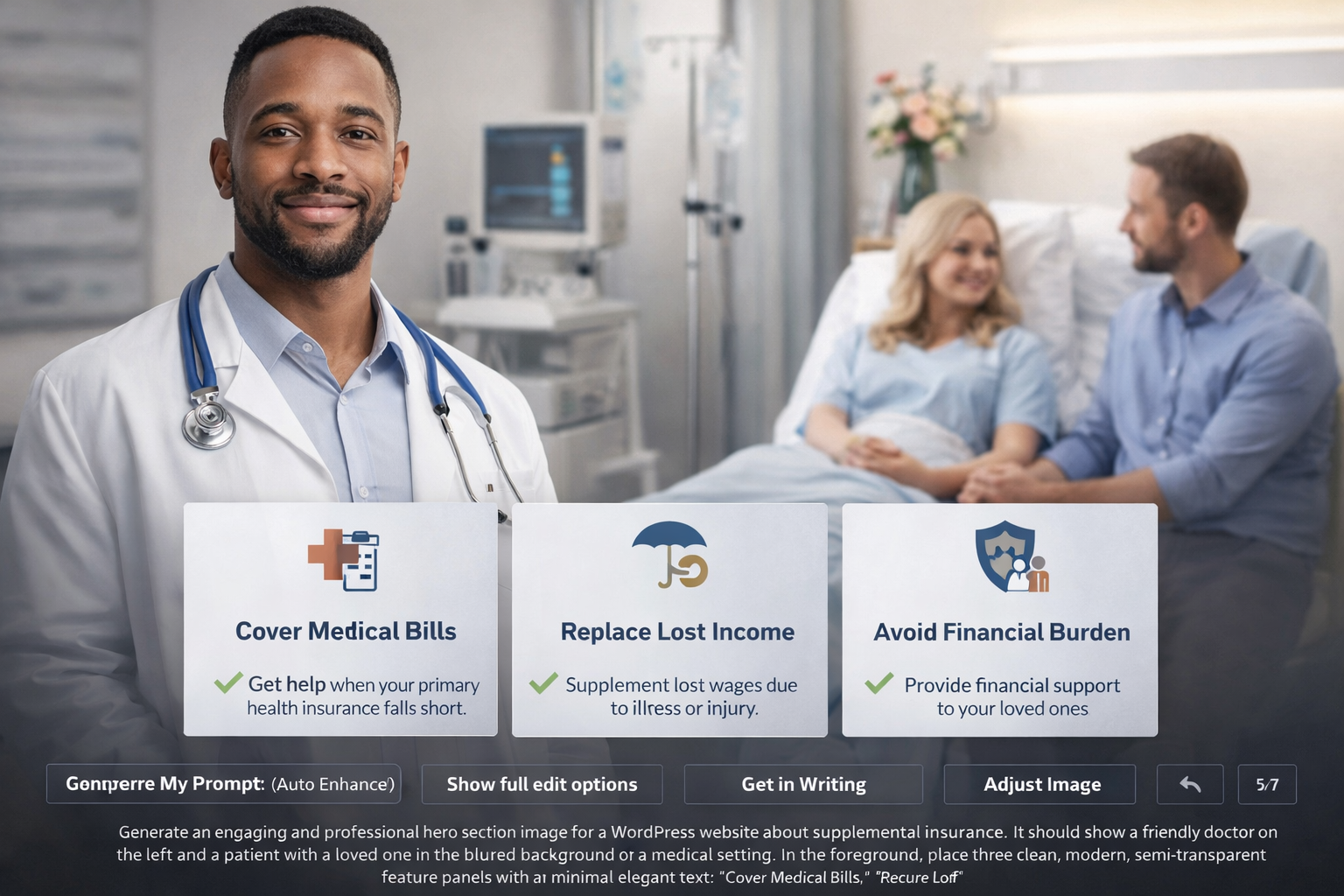
Supplemental insurance plans are built for one job: helping you manage costs that your primary health coverage may leave behind. In 2026, many households still carry deductibles, coinsurance, copays, travel costs, missed-work pressure, and everyday bills that do not pause just because an accident, hospital stay, or serious diagnosis happens. That is why supplemental coverage remains relevant. It adds a targeted financial layer that can help you handle covered events with more confidence and less budget shock.
The key word is supplemental. These plans are not the same as comprehensive major medical insurance. They are designed to work alongside other coverage and help cushion specific risks. Some plans focus on accidental injuries. Others focus on a covered critical illness diagnosis. Others are built around hospitalization or preset benefits tied to covered medical services. The smartest buying approach is not to collect random policies. It is to identify the financial gap you actually want to protect, then match the plan type to that risk.
If you are searching for supplemental insurance near me, start with your current health plan, your deductible exposure, and the kind of event that would hurt your budget the most.
What supplemental insurance is—and what it is not
Supplemental insurance is extra coverage designed to help with covered out-of-pocket expenses and financial disruption after specific medical events or service triggers. Depending on the product, benefits may be paid as a lump sum, a fixed daily hospital amount, a scheduled cash benefit, or another preset amount tied to covered treatment or hospitalization. The goal is simple: reduce the strain that can remain after your main health plan does its part.
What it is not: a replacement for comprehensive medical coverage. A supplemental plan is strongest when it fills a clear gap. For one household, that may be concern about ER bills after a broken bone or concussion. For another, it may be worry about the cost pressure that follows a cancer diagnosis, stroke, or heart attack. For another, it may be the budget impact of an inpatient hospital stay. Buy the gap, not the label.
Supplemental insurance plan types to compare in 2026
The four categories most shoppers focus on are accident insurance, critical illness insurance, hospital indemnity insurance, and fixed-benefit hospital-and-doctor style coverage. They are not interchangeable. Each is built around a different trigger, benefit pattern, and use case.
| Plan type | What it is built for | How benefits usually work | Best fit |
|---|---|---|---|
| Accident insurance | Unexpected injuries from covered accidents | Often pays lump-sum or scheduled cash benefits for covered treatment and recovery events | Active individuals, families with kids, drivers, and anyone worried about injury-related out-of-pocket costs |
| Critical illness insurance | Covered serious diagnoses such as certain major illnesses | Often pays a lump-sum benefit after a covered qualifying diagnosis | Households wanting cash support for treatment disruption, bills, travel, or time away from work |
| Hospital indemnity | Hospital admissions and eligible hospitalization-related expenses | Often pays a fixed daily or event-based hospital benefit | People concerned about the financial shock of inpatient care |
| Fixed-benefit / hospital-and-doctor style coverage | Common covered medical services and routine benefit triggers | Pays preset amounts tied to covered services, depending on plan design | Shoppers looking for predictable extra help with covered eligible services |
Fast way to think about it: accident plans are injury-focused, critical illness is diagnosis-focused, hospital indemnity is stay-focused, and fixed-benefit coverage is service-focused.
How to choose the right supplemental insurance plan
The right buying process is disciplined. Start with your current health coverage, not the supplemental brochure. Review your deductible, coinsurance exposure, savings cushion, work flexibility, and which event would create the biggest strain at home. Then buy the extra plan that specifically targets that pressure point.
| Question | Why it matters | What to do |
|---|---|---|
| What gap worries you most? | Different supplemental plans solve different problems | Choose the plan type that matches your top financial exposure |
| How high is your out-of-pocket exposure? | Higher deductibles and coinsurance can make supplemental coverage more useful | Review your main medical plan before buying extra coverage |
| Would a hospital stay disrupt your budget? | Inpatient care creates both medical and household costs | Compare hospital indemnity options if admission risk is your concern |
| Would a serious diagnosis affect income or caregiving? | Treatment disruption can create non-medical expenses fast | Evaluate critical illness coverage if diagnosis risk is the main fear |
| Are accidents your bigger day-to-day risk? | Accident exposure can be more relevant than illness for some households | Use accident coverage as a focused injury buffer |
The cleaner your buying goal, the easier it becomes to compare value instead of guessing.
Who supplemental coverage fits best
Supplemental coverage is usually strongest for people who already have health insurance but still want a financial backstop for specific risks. It can also make sense for shoppers with higher deductibles, limited emergency savings, income volatility, or a household budget that could be pushed off course by a single unexpected event.
| Situation | Why supplemental coverage may help | Best starting point |
|---|---|---|
| High-deductible health plan | Even one covered event can leave meaningful out-of-pocket exposure | Accident, hospital indemnity, or critical illness depending on concern |
| Limited emergency savings | Cash-style benefits can ease immediate budget pressure | Plan choice depends on whether injury, diagnosis, or hospitalization is the bigger risk |
| Primary income earner in the home | Serious illness or hospitalization can create household disruption beyond medical bills | Critical illness or hospital indemnity often deserves a look |
| Active lifestyle or family with kids | Accidental injuries can create sudden treatment costs and disruption | Accident insurance |
Common mistakes to avoid
Compare supplemental insurance plans online
The smartest move is to compare plan types first, then compare benefits inside the category that actually matches your needs. That keeps you from overbuying, underbuying, or confusing one kind of supplemental coverage with another. Once you know whether you want accident, critical illness, hospital indemnity, or fixed-benefit help, the quote process becomes much cleaner.
Coverage is subject to policy terms, state availability, eligibility, and the issuing carrier’s approval process.
Supplemental insurance plans FAQs (2026)
What is supplemental insurance?
Supplemental insurance is extra coverage designed to help with covered out-of-pocket costs and financial disruption that can remain after your primary health coverage pays its share.
Is supplemental insurance the same as regular health insurance?
No. Supplemental insurance is not a replacement for comprehensive major medical coverage. It is meant to add targeted financial help for specific covered events or services.
What supplemental insurance plan is best for accidents?
Accident insurance is usually the best starting point when your main concern is injury-related treatment, emergency care, follow-up services, and the out-of-pocket costs that can follow a covered accident.
What does hospital indemnity insurance do?
Hospital indemnity coverage is designed to pay a preset benefit tied to covered hospitalization events, helping with the financial shock of an inpatient stay and related qualified expenses.
How do I choose between accident, critical illness, and hospital indemnity coverage?
Start by identifying your biggest financial concern. Choose accident coverage for injury worries, critical illness for diagnosis-related disruption, and hospital indemnity for inpatient-stay concerns.
Related topics
Independent agency: Blake Insurance Group LLC is an independent insurance agency and is not affiliated with any single insurance company.
Licensing: Licensed insurance producer (NPN 16944666).
Important: Supplemental insurance is designed to add limited, targeted benefits for covered events or services. It is not a substitute for comprehensive major medical coverage. Availability, benefits, limitations, exclusions, and premium amounts vary by policy and state. Review the issued policy for exact terms.
Trademarks: Carrier and platform names are trademarks™ or registered® trademarks of their respective owners. Use of them does not imply affiliation or endorsement.




