Best Pet Insurance in Texas (2026): Compare Costs, Coverage, Waiting Periods, and Claims
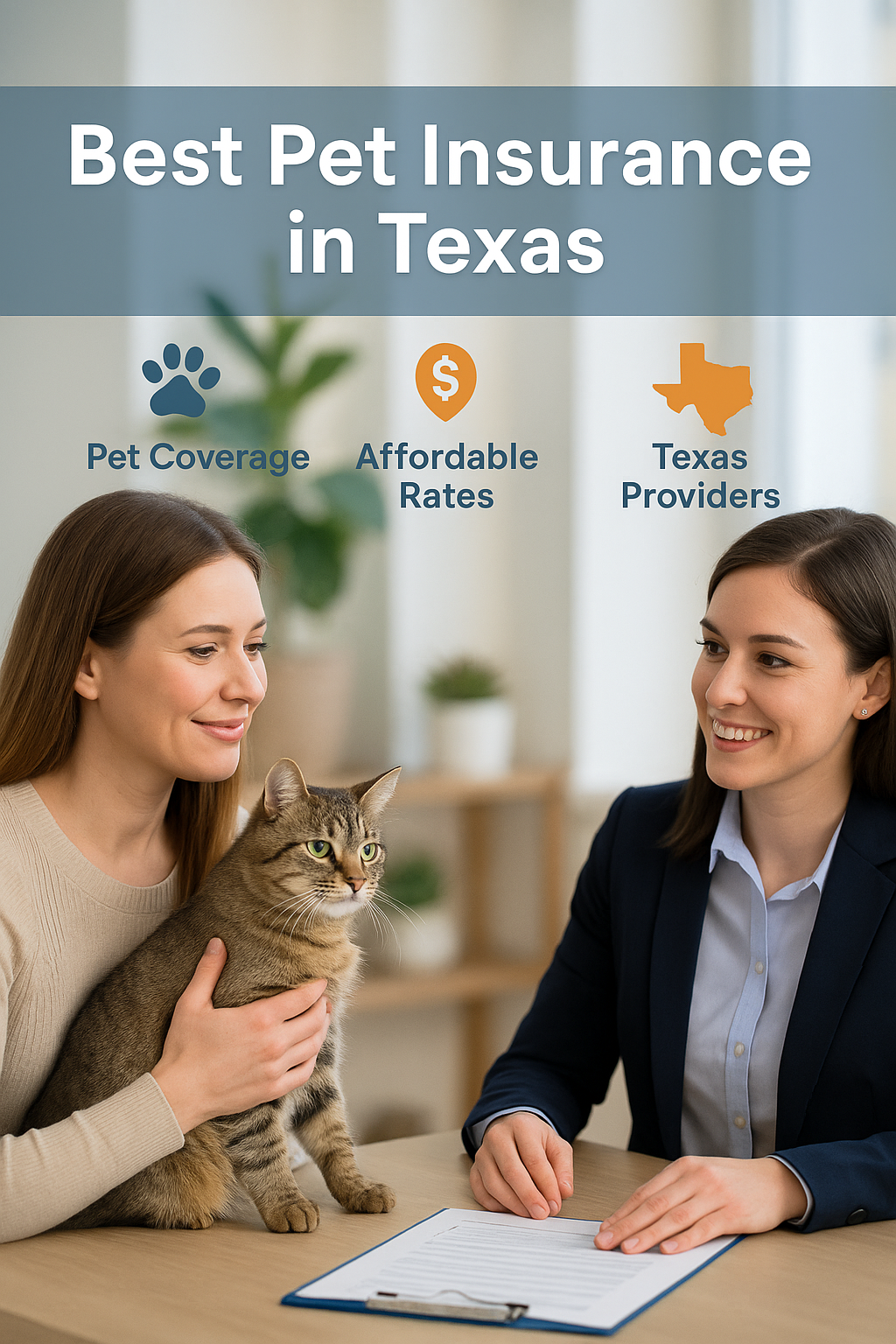
Shopping for the best pet insurance in Texas starts with matching the policy to your pet’s real risk, not just choosing the lowest monthly price. Texas pet owners may face different veterinary costs and pet health concerns in Dallas–Fort Worth, Houston, Austin, San Antonio, El Paso, South Texas, and smaller rural communities. Heat exposure, active outdoor lifestyles, allergies, heartworm risk, emergency care access, and breed-related conditions can all influence how much protection makes sense.
A strong Texas pet insurance comparison looks at deductible, reimbursement percentage, annual limit, waiting periods, exclusions, claims process, and optional add-ons. Industry cost surveys continue to show that dog insurance generally costs more than cat insurance, and plan design has a major impact on the final premium. Recent market guides also show Texas dog and cat premiums can vary meaningfully by carrier, annual limit, reimbursement level, and ZIP code. The right plan should fit your monthly budget while reducing the financial shock of eligible vet bills.
Best pet insurance in Texas: what “best” really means
The best pet insurance in Texas is the policy that fits your dog or cat’s age, breed, health history, ZIP code, and expected care pattern. A young indoor cat in Lubbock may not need the same plan design as a large-breed dog in Houston, a French bulldog in Dallas, a working ranch dog in West Texas, or an active hiking dog near Austin. The “best” policy is the one that balances premium, deductible, reimbursement, annual limit, and coverage details in a way that makes sense for your household.
Texas shoppers should compare policies using the same assumptions. If one quote uses a $500 deductible and another uses a $100 deductible, the cheaper quote may not be the better value. If one plan includes exam fees while another requires an add-on, the premium comparison is incomplete. Compare the same reimbursement percentage, annual limit, deductible, pet age, breed, and ZIP code before deciding.
Quick facts: Texas pet insurance in 2026
Texas pet insurance pricing varies by pet type, breed, age, ZIP code, plan design, and insurer. Dogs often cost more than cats, older pets usually cost more than younger pets, and higher annual limits or lower deductibles usually increase the premium. Texas pet owners should also think carefully about preventive care. Heartworm prevention, flea and tick control, vaccines, dental care, and annual checkups are usually handled through routine care or wellness budgeting rather than standard accident and illness claims.
| Review factor | What to know | Why it matters |
|---|---|---|
| Common policy type | Accident and illness coverage for dogs and cats | Helps with eligible new injuries and sicknesses, not pre-existing conditions |
| Texas pricing | Costs vary by ZIP code, pet age, breed, annual limit, deductible, and reimbursement level | Metro-area vet pricing and plan design can materially change the quote |
| Claims model | Most pet insurance reimburses after you pay the veterinarian | Owners should understand upfront payment and reimbursement timing |
| Waiting periods | Coverage does not begin instantly for every claim type | Accident, illness, orthopedic, and cruciate rules can affect eligibility |
| Pre-existing conditions | Symptoms or diagnoses before coverage may be excluded | Buying while the pet is healthy is usually the cleanest strategy |
| Wellness add-ons | Routine care may be available for an added cost | Compare package cost against expected routine reimbursements |
What good Texas pet insurance should cover
Good pet insurance should help with eligible unexpected accidents and illnesses. Depending on the policy, coverage may apply to diagnostics, emergency care, surgery, hospitalization, prescriptions, cancer treatment, imaging, specialist visits, and ongoing treatment for eligible new conditions. The coverage is only as strong as the policy language, so read the terms before choosing a plan based on price alone.
Texas pet owners should pay attention to emergency care, heat-related emergencies, allergies, orthopedic injuries, dental illness, and preventable conditions. Standard accident and illness coverage is different from wellness care. A routine heartworm prevention visit, vaccines, flea and tick prevention, and annual wellness exams may require a separate wellness package or out-of-pocket budgeting. Heartworm treatment can be costly, and some policies may limit treatment if the disease is considered preventable, pre-existing, or tied to missed prevention.
| Coverage area | What it may include | What to verify | Texas shopping note |
|---|---|---|---|
| Accidents | Injuries, swallowed objects, fractures, cuts, emergency visits | Accident waiting period, deductible, reimbursement, exclusions | Important for active pets, outdoor pets, travel, and emergency events |
| Illnesses | Eligible new sicknesses, diagnostics, medication, treatment | Illness waiting period and medical record review | Critical for allergies, infections, digestive issues, cancer, and chronic care |
| Emergency and specialty care | Advanced imaging, surgery, oncology, internal medicine, referral hospitals | Annual limit, covered treatment categories, and reimbursement percentage | Higher limits may matter in large Texas metro areas |
| Vet exam fees | Consultation or exam charges related to eligible claims | Included, excluded, or available by add-on | Frequent sick visits make this benefit more valuable |
| Dental illness | Eligible dental disease or dental injury treatment | Dental illness vs cleaning vs pre-existing dental disease | Dental language varies widely across pet insurance contracts |
| Routine care | Wellness exams, vaccines, tests, prevention, or scheduled care | Whether a wellness package exists and what each item reimburses | Important for heartworm prevention, vaccines, and routine Texas pet care |
How to compare the best pet insurance companies in Texas
A fair Texas pet insurance comparison requires consistent plan settings. First, choose a deductible, reimbursement percentage, and annual limit that make sense. Then compare each company using that same structure. After the numbers are aligned, review the policy language for waiting periods, exclusions, pre-existing condition rules, bilateral conditions, dental coverage, exam fees, prescription coverage, rehabilitation, and claim filing requirements.
| Comparison item | Why it matters | Lower-cost design | Higher-protection design |
|---|---|---|---|
| Deductible | Controls what you pay before reimbursement starts | $500, $750, or $1,000 | $100 or $250 |
| Reimbursement | Controls how much of eligible costs are reimbursed after deductible | 70% | 80% or 90% |
| Annual limit | Caps yearly reimbursement under the policy | $5,000 or $10,000 | $20,000 or unlimited-style options |
| Exam fees | Vet visit charges can raise out-of-pocket cost | Excluded or optional | Included or available through a strong add-on |
| Rehab and therapy | Can matter after injury, surgery, or orthopedic treatment | Limited or excluded | Included or available through add-on coverage |
| Waiting periods | Determine when claims may become eligible | Longer or more restrictive timing | Shorter, clearer timing rules |
How much does pet insurance cost in Texas?
Texas pet insurance costs vary by pet type, breed, age, ZIP code, coverage level, deductible, reimbursement percentage, annual limit, and optional wellness benefits. Recent cost analyses show Texas dog insurance commonly lands around the middle of national pricing, while cat insurance is usually lower than dog insurance. However, individual quotes can differ significantly based on breed risk, age, policy limits, and the company’s rate structure.
The most useful approach is to compare three plan styles: budget protection, balanced coverage, and higher-protection coverage. Budget plans may be appropriate if you can absorb more out-of-pocket cost. Balanced plans often fit owners who want meaningful protection without maxing every benefit. Higher-protection plans may be better for owners concerned about surgery, cancer, emergency hospitals, specialty care, or multiple claims in one year.
| Plan style | Typical design | Monthly cost impact | Best for |
|---|---|---|---|
| Budget protection | Higher deductible, lower reimbursement, lower annual limit | Usually lower premium | Owners who want catastrophic help but can absorb more claim-time cost |
| Balanced coverage | Moderate deductible, 80% reimbursement, mid-to-high annual limit | Middle-range premium | Most owners balancing monthly premium and useful protection |
| Higher protection | Lower deductible, 90% reimbursement, higher annual limit | Usually higher premium | Owners worried about emergency hospitals, specialty treatment, or repeated claims |
| Wellness-supported | Accident and illness coverage plus routine-care package | Higher monthly cost | Puppy, kitten, or routine-care planners who will use the package benefits |
Waiting periods, pre-existing conditions, and exclusions in Texas
Pet insurance is designed for future eligible accidents and illnesses, not problems that already exist. Waiting periods create a delay between the policy start date and when certain claims can become eligible. If your pet shows symptoms before coverage begins or during a waiting period, related claims may be excluded as pre-existing.
Texas pet owners should be especially careful with orthopedic issues, cruciate ligament injuries, allergies, dental disease, heat-related symptoms, and preventable illnesses. A limp, cough, rash, vomiting pattern, abnormal lab result, or vet note before coverage may affect future claim eligibility. Keep records organized and ask each insurer how it handles curable pre-existing conditions, bilateral conditions, and preventable conditions.
| Policy rule | What it means | What to ask before enrolling | Why it matters |
|---|---|---|---|
| Accident waiting period | Time before accident claims may become eligible | How many days before accident coverage applies? | Important for emergency protection |
| Illness waiting period | Time before illness claims may become eligible | How are symptoms during the waiting period handled? | Can affect allergies, infections, digestive problems, and chronic disease |
| Orthopedic rules | Special rules for hips, knees, joints, and ligaments | Are there extended waiting periods or breed restrictions? | Critical for large dogs and breeds prone to joint issues |
| Pre-existing conditions | Known or symptomatic conditions before coverage may be excluded | Does the plan distinguish curable and incurable conditions? | Determines whether future claims tied to old symptoms may be denied |
| Preventable conditions | Some policies may limit claims tied to preventable issues or missed routine care | How are vaccines, heartworm prevention, parasite prevention, dental care, and routine recommendations handled? | Important for Texas pets because heartworm, fleas, ticks, and heat exposure can be practical concerns |
Texas pet insurance help by city and metro
Pet insurance needs can differ across Texas. Large metro areas may have more emergency and specialty hospitals, while rural areas may create different access and travel considerations. Owners in hot climates, mosquito-heavy areas, and active outdoor communities should also think carefully about prevention, emergency access, and claim documentation.
| Region | Example cities and areas | What to optimize for |
|---|---|---|
| Dallas–Fort Worth | Dallas, Fort Worth, Arlington, Plano, Frisco, Irving, McKinney | Emergency care, specialty hospitals, annual limits, reimbursement level |
| Houston Metro | Houston, Sugar Land, Katy, Pearland, The Woodlands, Pasadena | Heat exposure, specialty care, heartworm prevention, claim-time affordability |
| Austin Area | Austin, Round Rock, Cedar Park, Georgetown, Pflugerville, San Marcos | Active-dog risks, emergency care, rehab, and balanced plan design |
| San Antonio Area | San Antonio, New Braunfels, Schertz, Cibolo, Boerne, Seguin | Accident and illness protection, wellness planning, local vet access |
| West Texas / South Texas | El Paso, Lubbock, Midland, Odessa, Laredo, McAllen, Brownsville | Provider access, travel distance, annual limits, preventable condition rules |
Get pet insurance quotes in Texas
Use the quote path below to compare coverage for your dog or cat. Before enrolling, confirm your pet’s age, breed, ZIP code, current health history, deductible, reimbursement percentage, annual limit, wellness add-ons, waiting periods, exclusions, and claims process. The best Texas pet insurance choice should fit both your monthly budget and the type of veterinary bills you want help managing.
Use your pet’s actual age, breed, ZIP code, and health history when requesting a quote.
Related topics
Texas pet insurance FAQs (2026)
What is the best pet insurance in Texas?
The best pet insurance in Texas depends on your pet’s age, breed, ZIP code, health history, and the plan design you choose. Compare deductible, reimbursement, annual limit, waiting periods, exclusions, claims process, and optional benefits before deciding.
How much does pet insurance cost in Texas?
Texas pet insurance costs vary widely. Dogs often cost more than cats, older pets usually cost more than younger pets, and large metro areas may produce different quotes than smaller communities. Your final premium depends on pet type, breed, age, ZIP code, coverage type, deductible, reimbursement, annual limit, and add-ons.
Does pet insurance cover pre-existing conditions in Texas?
Pet insurance generally does not cover pre-existing conditions. If a condition, symptom, or related medical note existed before coverage started or during a waiting period, claims tied to that issue may be excluded. Some insurers may reconsider certain curable conditions after a symptom-free period, but rules vary by policy.
Should Texas pet owners choose a higher annual limit?
A higher annual limit may make sense if you are concerned about emergency hospitals, specialty care, surgery, cancer treatment, or repeated claims. It may increase the premium but reduce large-claim exposure.
Is wellness coverage worth it for Texas pets?
Wellness coverage can be useful for routine care budgeting, especially for puppies, kittens, vaccines, exams, parasite prevention, and heartworm prevention. Compare the added cost against expected reimbursements before adding it.
Independent agency: Blake Insurance Group LLC is an independent insurance agency and is not affiliated with any single pet insurance company.
Licensing: Licensed insurance producer (NPN 16944666).
Important: Pet insurance availability, pricing, waiting periods, reimbursement percentages, deductibles, annual limits, wellness options, exclusions, claim rules, and underwriting terms vary by insurer, state, ZIP code, pet age, breed, medical history, and plan design. Policy documents control all coverage decisions.
Trademarks: All product and company names are trademarks™ or registered® trademarks of their respective holders. Use of them does not imply affiliation or endorsement.




