Best Pet Insurance in Florida (2026): Compare Coverage, Costs, Waiting Periods, Wellness Options, and Real Vet-Bill Value
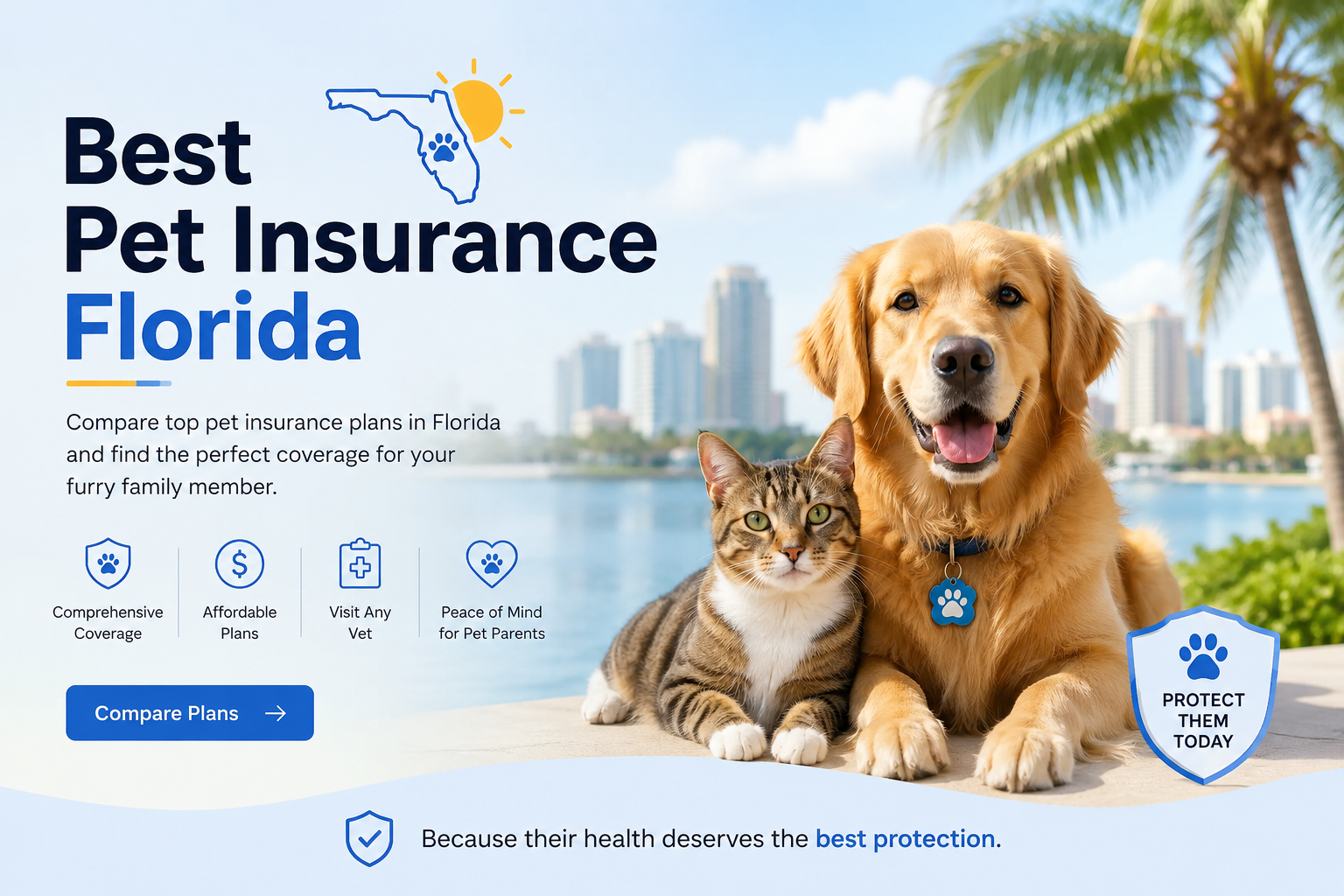
Shopping for the best pet insurance in Florida is not just about finding the lowest monthly premium. The better question is whether the plan helps protect your dog or cat from the vet bills Florida pet owners are most likely to face. Heat, humidity, year-round parasite exposure, active outdoor lifestyles, beach and boating accidents, storm disruption, allergies, dental disease, swallowed objects, torn ligaments, emergency visits, and chronic conditions can all turn a normal pet budget into a serious expense.
Pet insurance is designed to help reimburse eligible veterinary expenses after the deductible, reimbursement percentage, annual limit, exclusions, and waiting periods are applied. That means the “best” Florida pet insurance policy is usually the one that matches your pet’s breed, age, health history, activity level, ZIP code, and the kind of care you would realistically approve if a large bill landed tomorrow. A puppy in Tampa, a senior cat in Miami, an active dog in Jacksonville, and a family pet in Orlando may all need different plan priorities.
How to compare pet insurance in Florida so the winner is real
Many Florida pet owners compare pet insurance by premium only, but that shortcut can create the wrong answer. A cheaper plan may exclude exam fees, dental illness, breed-related issues, prescription therapies, behavioral care, alternative treatment, or routine care without a wellness option. A stronger plan may cost more monthly but create better value when the veterinarian recommends diagnostics, surgery, medication, hospitalization, or specialty treatment.
The cleanest comparison uses the same assumptions across every quote: annual limit, deductible, reimbursement rate, coverage type, waiting periods, and whether wellness care is included, optional, or separate. You should also compare how claims are submitted, whether sick-visit exam fees are covered, how orthopedic conditions are treated, and whether your pet’s breed has known hereditary or chronic condition exposure.
- Choose the right coverage type: accident-only is narrower, while accident and illness coverage is usually the stronger comparison point for major vet bills.
- Review reimbursement math: compare the annual limit, deductible, reimbursement percentage, and whether the deductible resets annually.
- Check exclusions: pre-existing conditions, routine care without wellness, breeding costs, cosmetic procedures, and some preventive items may not be covered.
- Look closely at exam fees: sick-visit and emergency exam charges can add real cost if the policy does not cover them.
- Match the plan to your pet: age, breed, size, health history, location, lifestyle, and Florida-specific exposure should guide the plan you choose.
Coverage snapshot: what to review on any Florida pet insurance policy in 2026
Pet insurance can look simple on a quote screen, but the policy details determine how useful it is after a real claim. Use this table to compare any Florida pet insurance plan before you enroll. The right plan should make it easier to say yes to care when your veterinarian recommends treatment, while still fitting your monthly budget.
| Feature | What it usually means | What to verify | Why it matters |
|---|---|---|---|
| Accident coverage | Eligible injuries such as fractures, bite wounds, swallowed objects, cuts, or emergency trauma | Waiting period, exclusions, deductible, reimbursement rate, and annual limit | Accidents can happen suddenly and may require urgent care |
| Illness coverage | Eligible sicknesses such as infections, allergies, digestive issues, cancer, or chronic conditions | Pre-existing condition rules, hereditary coverage, and illness waiting period | Illness claims often involve diagnostics, repeat visits, and medication |
| Exam fees | The veterinary visit charge for diagnosing or treating a covered condition | Whether sick-visit and emergency exam fees are included or excluded | Exam fees can add meaningful out-of-pocket cost if not covered |
| Dental illness | Coverage for eligible dental disease, injury, or treatment | Which teeth are covered and whether dental illness has limits | Dental problems are common and can become expensive |
| Wellness care | Routine items such as checkups, vaccines, parasite prevention, and testing | Whether wellness is included, optional, capped, or reimbursed by schedule | Wellness helps with predictable care, not just unexpected claims |
| Annual limit | The maximum eligible reimbursement available during the policy year | Per-year cap, per-condition cap, or unlimited option if available | Large emergencies can exceed low annual limits quickly |
Best-fit checklist: what makes a pet insurance plan strong for Florida pets?
The best pet insurance in Florida should be evaluated against the care your pet is likely to need, not against a generic national ranking. Florida’s climate, travel patterns, outdoor recreation, insects, parasites, hurricanes, and coastal lifestyle can all influence pet health risks. A strong plan should support the claims you would actually worry about: emergency care, diagnostics, illness treatment, prescriptions, dental illness, orthopedic injuries, and specialty care.
| Shopper type | Coverage priority | What to avoid | Smart comparison move |
|---|---|---|---|
| New puppy or kitten | Enroll early, accident/illness coverage, optional wellness | Waiting until symptoms appear | Quote before the first major health issue creates a pre-existing condition |
| Adult dog | Illness, orthopedic issues, dental illness, allergies, emergency care | Low annual limits that may not handle surgery or hospitalization | Compare annual limit and reimbursement rate against likely vet bills |
| Senior pet | Chronic illness, diagnostics, prescriptions, cancer care, specialty care | Plans with narrow illness benefits or age restrictions | Review age rules, renewal terms, and exclusions carefully |
| Outdoor or beach-active dog | Accidents, bite wounds, swallowed objects, lacerations, heat-related emergencies | Accident-only plans that miss illness exposure | Use accident/illness coverage if the pet has broad exposure risk |
| Indoor cat | Illness, dental disease, urinary issues, diagnostics, emergency visits | Assuming indoor pets never need expensive care | Compare illness benefits and annual limit before choosing by price alone |
Pet insurance cost factors in Florida
Florida pet insurance pricing can vary by ZIP code, species, breed, age, deductible, annual limit, reimbursement percentage, and selected add-ons. Dogs usually cost more than cats because average claim exposure is often higher. Older pets also tend to cost more than younger pets because the chance of illness, diagnostics, medication, or surgery rises with age. The goal is not always to choose the cheapest plan. The goal is to choose the best value for the vet bills you would actually want help paying.
| Cost factor | How it affects pricing | What to consider | Best-value tip |
|---|---|---|---|
| Pet age | Older pets generally cost more to insure | Enroll earlier when possible | Do not wait until a condition is already showing symptoms |
| Breed | Breed-linked risks can influence pricing and claims | Large dogs may have orthopedic exposure; some breeds have hereditary risks | Confirm hereditary and breed-specific condition coverage |
| Deductible | Higher deductibles usually lower the premium | Make sure the deductible is affordable during an emergency | Balance monthly savings against cash you can pay upfront |
| Reimbursement rate | Higher reimbursement usually raises the premium | Common options may include 70%, 80%, or 90% | Use the same reimbursement rate when comparing plans |
| Annual limit | Higher limits usually cost more | Low limits may be exhausted by surgery or hospitalization | Choose a limit that matches the level of risk you want transferred |
| Wellness add-on | Adds cost but may help budget routine care | Review caps for vaccines, checkups, parasite prevention, and dental cleaning | Use wellness if you will actually use the listed routine benefits |
Florida pet risks to think about before choosing coverage
Florida’s warm, humid climate and outdoor lifestyle make preventive care and accident/illness protection especially important. Dogs and cats may face mosquito exposure, fleas, ticks, heat stress, allergic skin issues, toxic plants, wildlife encounters, storm evacuation issues, and emergency boarding requirements. Routine prevention can reduce risk, but emergencies and illnesses can still happen even when a pet owner is careful.
| Risk area | Why it matters in Florida | Coverage angle | Owner action |
|---|---|---|---|
| Heartworm exposure | Mosquito activity makes prevention important across much of the year | Routine prevention is usually wellness-related, while illness treatment rules vary | Ask your vet about year-round prevention and compare wellness options |
| Fleas and ticks | Warm weather can extend parasite exposure | Preventive medication is typically routine/wellness, not standard accident/illness | Review wellness caps and preventive-care reimbursement schedules |
| Heat and dehydration | Hot, humid conditions can create emergency risk for dogs and cats | Emergency care may fall under accident/illness if eligible | Compare annual limits and emergency vet access |
| Storms and evacuation | Hurricane preparation can require boarding, medication refills, and updated records | Wellness and accident/illness benefits may support different needs | Keep records current and understand boarding or exam requirements |
| Allergies and skin issues | Environmental allergies can lead to repeat visits | Illness coverage, diagnostics, and prescription benefits matter | Review chronic condition and medication coverage |
Pet insurance help across Florida cities and metro areas
Whether you are searching for pet insurance near me in Miami, Orlando, Tampa, Jacksonville, Fort Lauderdale, St. Petersburg, Sarasota, Naples, Gainesville, Tallahassee, or a smaller Florida community, the same comparison rules apply. Choose the plan structure first, then compare the premium against deductible, reimbursement, annual limit, waiting period, exam-fee handling, wellness options, and exclusions.
| Region / metro | Example cities | What pet owners often compare |
|---|---|---|
| South Florida | Miami, Fort Lauderdale, Hollywood, Boca Raton, West Palm Beach | Heat exposure, parasite prevention, emergency vet costs, and annual limits |
| Central Florida | Orlando, Kissimmee, Sanford, Winter Park, Clermont | Accident/illness coverage, wellness care, exam fees, and claim reimbursement |
| Tampa Bay | Tampa, St. Petersburg, Clearwater, Brandon, Lakeland | Storm planning, dental illness, emergency care, and routine prevention |
| Northeast Florida | Jacksonville, St. Augustine, Orange Park, Fernandina Beach | Outdoor pet risks, orthopedic exposure, deductible, and reimbursement percentage |
| Gulf Coast and Panhandle | Sarasota, Naples, Fort Myers, Pensacola, Tallahassee, Panama City | Hurricane disruption, boarding readiness, parasite prevention, and vet-bill protection |
Get pet insurance quotes in Florida
The cleanest way to compare pet insurance is to run a quote using your pet’s actual age, breed, ZIP code, and coverage preferences. Before you enroll, review the deductible, reimbursement rate, annual limit, waiting periods, exam-fee coverage, dental illness rules, hereditary condition coverage, prescription benefits, and whether wellness care is optional or included. If you compare more than one plan, keep the same deductible and reimbursement percentage across quotes so the comparison is fair.
Use your pet’s breed, age, health history, activity level, and routine-care needs as the baseline when comparing Florida pet insurance.
Related topics
Florida pet insurance FAQs (2026)
What is the best pet insurance in Florida?
The best pet insurance in Florida depends on your pet’s age, breed, health history, lifestyle, and your budget. A strong plan should offer clear accident and illness coverage, reasonable reimbursement terms, a deductible you can afford, enough annual limit for emergency care, and exclusions you understand before enrolling.
Does pet insurance cover routine care like vaccines and checkups?
Standard accident and illness pet insurance usually focuses on unexpected injuries and sicknesses. Routine care such as vaccines, annual exams, parasite prevention, dental cleanings, and spay/neuter services is commonly handled through an optional wellness add-on when available.
Are pre-existing conditions covered by pet insurance?
Pet insurance generally does not cover pre-existing conditions. A condition may be considered pre-existing if signs, symptoms, diagnosis, or treatment occurred before enrollment or during the applicable waiting period. This is why enrolling before problems appear is important.
Why do exam fees matter when comparing pet insurance?
Exam fees are the charges for the veterinarian to evaluate your pet during a sick visit, emergency visit, or specialty visit. Some pet insurance plans exclude exam fees or charge extra for that feature, which can increase your out-of-pocket cost after a claim.
Should Florida pet owners add wellness coverage?
Wellness coverage can make sense if you expect to use routine benefits such as vaccines, checkups, heartworm testing, parasite prevention, or dental cleaning. Compare the added cost against the listed benefit caps to decide whether it creates real value for your pet.
Can I use any veterinarian in Florida?
Many pet insurance plans reimburse eligible care from licensed veterinarians rather than limiting you to a narrow provider network. Always review the policy terms, claim process, documentation requirements, and reimbursement rules before choosing a plan.
Independent agency: Blake Insurance Group LLC is an independent insurance agency and is not affiliated with any single insurance company.
Licensing: Licensed insurance producer (NPN 16944666).
Important: Pet insurance availability, pricing, reimbursement, deductibles, annual limits, waiting periods, wellness benefits, exclusions, and claim decisions vary by insurer, policy, ZIP code, pet age, breed, and underwriting rules. Policy terms control.
Pre-existing conditions: Pet insurance generally does not cover pre-existing conditions. Review all waiting periods and exclusions before enrolling.
Trademarks: All product and company names are trademarks™ or registered® trademarks of their respective holders. Use of them does not imply affiliation or endorsement.




