Progressive Insurance Claims in South Carolina (2026) — What to Do, What to Save, and How to Keep It Moving
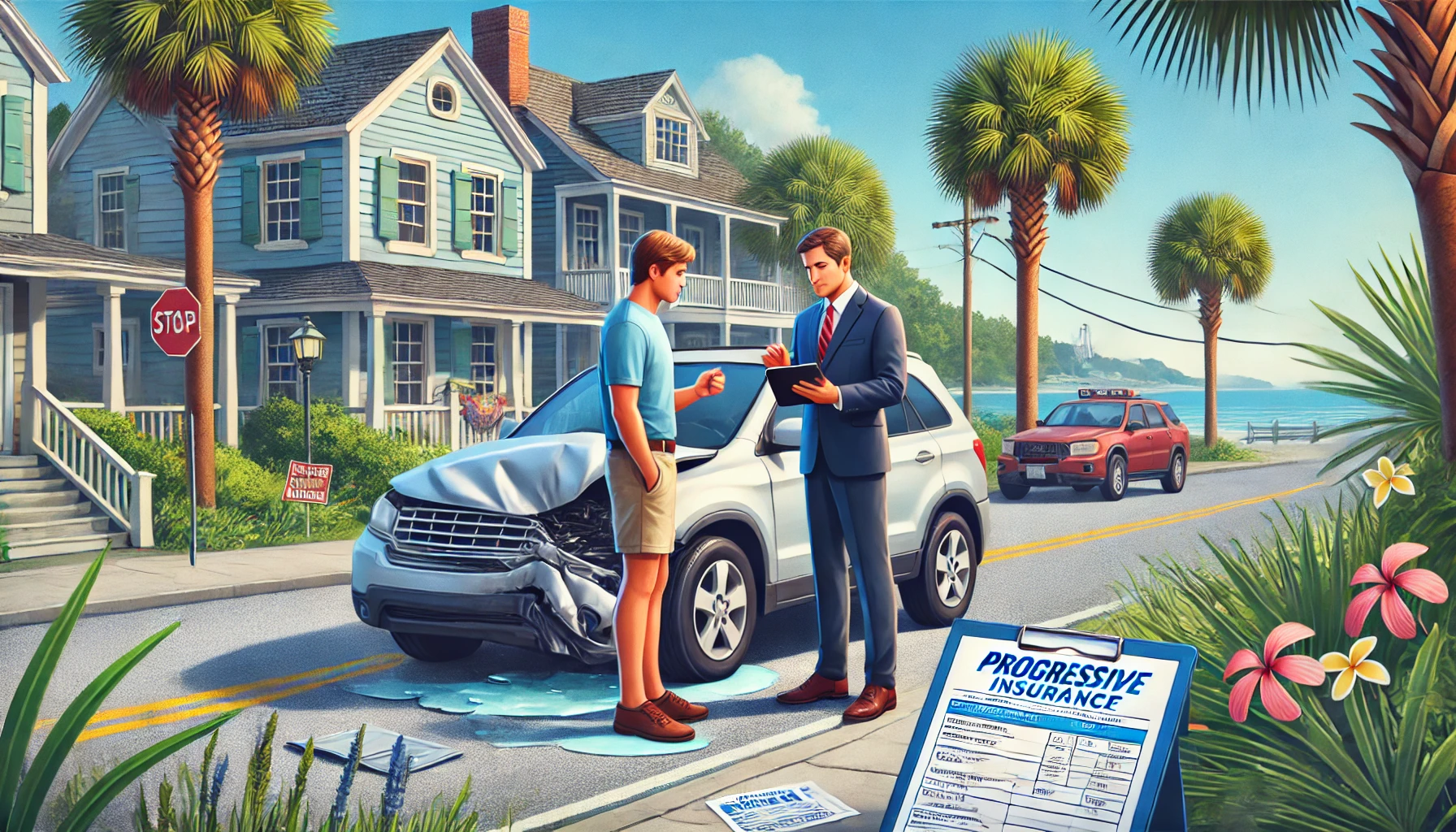
Use this page as your “calm checklist” after an accident, storm, fire, theft, or property loss. We’ll help you report the claim, organize documentation, and avoid the most common delays that slow repairs and payments.
When something goes wrong, the best claims outcome usually comes from a clean timeline: report quickly, document clearly, and keep communication simple. South Carolina losses often include auto accidents with towing and rental needs, wind-driven rain after storms, falling tree limbs, hail impacts, and water damage that becomes expensive if mitigation is delayed. The goal isn’t to memorize insurance rules—it’s to follow a process that protects you: get safe, capture evidence, report accurately, and keep receipts.
Blake Insurance Group is an independent insurance agency. We’re not the claims department, and we don’t decide coverage. What we do is help you understand your policy language at a high level, keep paperwork organized, and make sure your claim file stays complete. If you’re searching Progressive claims near me, that usually means you want a local team who can explain next steps, help you prioritize repairs, and make sure nothing important gets missed while you’re dealing with real life.
How Progressive claims work in South Carolina
Most claims follow the same core workflow: report → verify coverage → assess damage → approve repair/payment → close the file. The “speed” of the claim depends on how clear the facts are, how quickly estimates are completed, and whether there are coverage questions. The best thing you can do is submit accurate details once, then keep your file organized (photos, receipts, estimates, and conversations).
| Step | What happens | What you do | How to avoid delays |
|---|---|---|---|
| 1) Report | You submit the date/time/location, what happened, and who is involved. | Provide a simple, factual summary + contact info. | Don’t guess; stick to what you know and upload photos if you have them. |
| 2) Coverage review | A claims rep/adjuster reviews policy coverages and deductibles. | Confirm vehicle/home address, policy number, and any lienholder/lender details. | Keep your declarations page handy; confirm effective dates and listed drivers/vehicles. |
| 3) Inspection | Photos, a virtual inspection, or an in-person estimate is completed. | Share additional photos, receipts, and contractor/shop information. | Schedule quickly; choose reputable shops/contractors and respond to requests promptly. |
| 4) Repair/settlement | Repairs are approved or a settlement is issued when applicable. | Review the estimate; ask questions about line items and scope. | Track supplements (additional damage found) so there’s no “scope gap.” |
| 5) Close-out | Final payments are issued and the claim is closed. | Keep final documents and receipts in one folder. | Confirm you’re satisfied with repairs and that lienholders were handled correctly. |
Tip: If multiple vehicles or properties are involved, treat each claim file like a mini project—one folder, one timeline, one point of contact when possible.
What to do right after a loss (auto or property)
Auto accidents
- Safety first: move to a safe location if possible and call emergency services when needed.
- Photos: vehicles, plates, VIN (if available), damage angles, road conditions, and any skid marks/debris.
- Info exchange: driver names, phone numbers, insurer info, and witness contacts.
- Police report: if one is created, save the report number and the responding agency.
- Rental/towing: keep receipts and note where the vehicle is stored.
Home, renters, and property losses
- Stop the damage: take reasonable steps to prevent further loss (tarps, shutoff valves, temporary boarding).
- Document first: quick photos/video before you throw anything away.
- Receipts: track emergency materials, hotels, and temporary repairs in one place.
- Don’t permanently repair yet: temporary mitigation is fine; major repair work should align with the claim file.
- Inventory: list damaged items with model/serial numbers if possible (photos help a lot).
The fastest claims are the ones with clear evidence and clean paperwork. If you can only do two things today, do this: (1) take photos/video and (2) start the claim. Everything else can be organized afterward.
| What to save | Why it matters | Examples |
|---|---|---|
| Photos & video | Creates an undisputed “before repairs” record. | Damage close-ups, wide shots, weather context, interior water lines, serial labels. |
| Receipts | Supports reimbursement and mitigation costs. | Tarps, boards, fans/dehumidifiers, towing, rentals, temporary lodging. |
| Reports | Confirms the incident timeline. | Police report number, fire report, tow yard receipt, contractor work order. |
| Estimates | Validates repair scope and pricing. | Body shop estimate, contractor scope, supplements for hidden damage. |
| Policy basics | Clarifies deductibles and key coverages. | Declarations page, listed vehicles/drivers, lienholder/lender info. |
Common Progressive claim types in South Carolina
This table is a high-level guide. Your policy forms, limits, exclusions, and deductibles control final coverage.
| Claim type | Example situations | What the claim may address | Best next step |
|---|---|---|---|
| Auto — collision & comprehensive | Crashes, theft, vandalism, hail, falling objects, animal strikes | Repair or total loss settlement (minus deductible), plus rental if selected | Start claim + schedule an estimate/inspection quickly |
| Glass & roadside | Windshield chips/cracks, towing, lock-outs, flat tires | Glass repair/replacement and roadside services when included | Check whether it’s glass-only vs full comp claim in your policy setup |
| Homeowners | Fire, wind, lightning, theft, certain water damage, liability claims | Dwelling repair, personal property, loss of use (if covered), liability defense | Mitigate, document, then coordinate contractor scope with the adjuster |
| Renters & condo | Theft, smoke damage, accidental water events, liability | Personal property, temporary living costs (if covered), liability | Create an item list with photos and approximate replacement costs |
| Motorcycle / RV / boat | Accidents, storms, theft, vandalism, transport damage | Physical damage repair/replacement and liability as written | Provide accessory lists and photos (mods/custom parts matter) |
Storm, wind, and water claims: what South Carolina policyholders should verify
Storm claims are common across the state. The easiest way to avoid frustration is to separate wind damage from flooding and to understand your deductible structure before you commit to large repairs. Many homeowners policies treat flood as a separate coverage category that may require a separate policy. Also, wind/hurricane deductibles can differ from your standard all-peril deductible depending on your policy.
| Scenario | What to do immediately | What to verify in your policy | Common mistake to avoid |
|---|---|---|---|
| Wind / hurricane | Take photos, tarp/board to prevent more damage, save receipts | Wind/hurricane deductible, roof settlement language, covered openings | Throwing away damaged materials before documentation |
| Wind-driven rain | Document entry point (roof/soffit/window), dry out fast | Whether water is covered when it enters due to a covered peril | Waiting too long to mitigate, leading to mold and bigger damage |
| Falling tree / debris | Photograph the tree, damage path, and any prior condition | Debris removal limits and how landscaping is treated | Assuming removal is unlimited without checking limits |
| Flooding | Safety first; document water height and affected areas | Whether flood is excluded and if separate flood coverage applies | Mixing flood damage with wind claims without clarifying cause |
If you’re unsure whether damage is wind, water, or both, document everything and keep your descriptions factual: “water entered here,” “roof shingles lifted,” “standing water in the garage,” etc. The cause of loss matters.
How Blake Insurance Group helps with Progressive claims
Claims are stressful. Our job is to make the “paperwork side” lighter so you can focus on getting back to normal. Here’s how we typically help South Carolina clients:
We keep the file clean
- Help you organize photos, receipts, estimates, and timelines.
- Flag missing details that commonly cause adjuster follow-ups.
- Make sure the scope of repair matches what’s being repaired (especially after storms).
We reduce “surprise moments”
- Review deductibles and key coverages at a high level so you know what to expect.
- Explain common claim paths (repair vs settlement, supplement process, total loss basics).
- Help you think ahead about rental, towing, temporary housing, and receipts.
We support you at renewal
- After a major claim, we review your deductibles, limits, and endorsements for better future fit.
- If pricing changes, we can compare options across carriers based on matched coverage.
We keep it practical
- We focus on next steps: what to do today, what to save, and what to ask.
- We help you avoid unnecessary delays and re-work.
South Carolina areas we assist with claim next steps
We support policyholders statewide—especially when you need help organizing documentation, understanding what the adjuster is asking for, or keeping repairs and reimbursements moving. Here are common areas where clients request help:
| Region | Cities / metros | Common claim needs |
|---|---|---|
| Lowcountry | Charleston, Mount Pleasant, Summerville, Beaufort, Hilton Head | Wind-driven rain documentation, roof scopes, temporary housing receipts |
| Midlands | Columbia, Lexington, Irmo, Sumter | Auto accident documentation, towing/rental coordination, contractor estimates |
| Upstate | Greenville, Spartanburg, Anderson | Collision/comprehensive claims, glass timing, total-loss preparation |
| Grand Strand | Myrtle Beach, Conway, North Myrtle Beach | Storm claims triage, moisture mitigation receipts, repair scheduling |
Progressive claim FAQs — South Carolina
How soon should I file a claim after an accident or property loss?
File as soon as it’s safe. Early reporting helps set inspection timelines, protects evidence, and reduces repair delays. If emergency mitigation is needed, document first (photos/video) and save receipts.
Can I choose my own body shop or contractor?
In most cases, yes—you can typically choose any licensed shop or contractor you trust. The important part is having a clear estimate and keeping the repair scope aligned with the claim file (including any supplements if additional damage is found).
What if the damage estimate changes after repairs begin?
That’s common. Hidden damage can appear after teardown. When that happens, a supplement may be submitted with photos and updated line items. Keep communication tight: one folder of photos/estimates and quick responses prevents “stall outs.”
Will filing a claim automatically raise my premium?
Not always. Pricing impacts depend on the type of loss, fault determination (for auto), claim history, and underwriting rules. If your renewal changes, we can review options and recommend deductible/coverage adjustments that make sense for your household.
What if I’m unhappy with how the claim is progressing?
Start by clarifying what’s missing: inspection scheduling, estimate scope, documentation, or communication. We can help you organize the file, draft a clean timeline, and identify the specific question that needs resolution. If a dispute remains, South Carolina consumers also have a state Department of Insurance complaint process for unresolved issues after giving the insurer a chance to fix the problem.
Related topics
Independent agency notice: Blake Insurance Group LLC is an independent insurance agency. We are not Progressive’s claims department and do not determine claim outcomes.
Important: Coverage, deductibles, exclusions, limits, and claim outcomes depend on policy terms and loss details. Policy forms and endorsements govern final coverage.
Licensing: Licensed insurance producer (NPR/NPN 16944666).
Trademarks: Progressive® and related marks are property of their respective owners. Use is for identification only and does not imply endorsement.




