Liquor Liability Insurance (2026): What It Covers, Who Needs It, and How to Buy the Right Protection
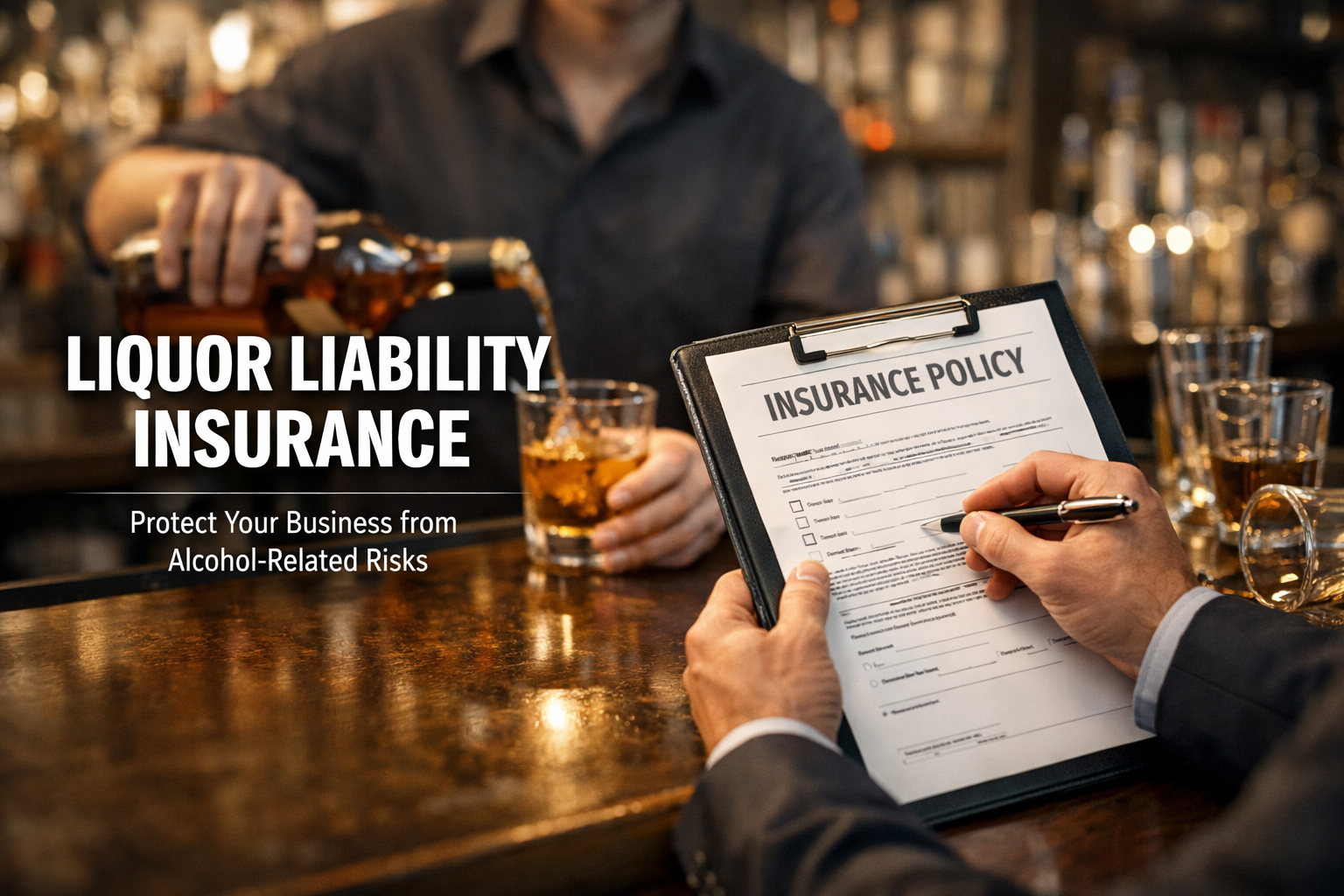
Liquor liability insurance is designed for businesses or events that can be held responsible for alcohol-related injury or property damage claims. In 2026, the biggest mistake is assuming general liability automatically solves alcohol exposure. It often does not. If alcohol is sold, served, distributed, furnished, or even permitted on premises, the coverage conversation needs to be specific.
Restaurants, bars, taverns, breweries, wineries, caterers, mobile bartenders, event venues, clubs, and special-event organizers can all face alcohol-related claims. The legal trigger may be called dram shop liability, liquor liability, or host liability depending on the setting and the state, but the business risk is the same: a third party alleges that alcohol service contributed to bodily injury, property damage, or another covered claim. That is why liquor liability should be reviewed as its own exposure rather than treated like a side note on a general liability application.
This page is built to help you evaluate liquor liability insurance near me in a practical way. We cover who usually needs it, how it differs from host liquor exposure, what it commonly covers, what it often excludes, and how to prepare a cleaner quote request so the policy matches the way your business actually handles alcohol. If your venue, landlord, event contract, or licensing rules require proof of coverage, this guide will help you ask the right questions before you bind.
Who usually needs liquor liability insurance?
Liquor liability needs to be reviewed whenever a business or event has a real alcohol exposure. That includes obvious operations like bars and restaurants, but it also includes businesses that host alcohol-centered events, rent space for parties, or serve alcohol through staff, contractors, or licensed partners. Some businesses do not actually need a full retail liquor liability policy, but they still need to confirm whether host liquor exposure exists and whether the venue contract requires proof of coverage.
- Bars, taverns, lounges, and nightclubs: alcohol service is central to operations, so liquor liability is usually a core policy issue.
- Restaurants and cafes: even modest alcohol sales can create meaningful exposure when beer, wine, or spirits are part of service.
- Caterers, banquet operations, and event planners: temporary or off-site alcohol service often requires careful review of who is serving, who is licensed, and who must be named on certificates.
- Venues and private events: weddings, fundraisers, festivals, and private parties often require host or event-specific liquor coverage depending on how alcohol is handled.
- Mobile bartenders and alcohol vendors: contracts, additional insured wording, and service procedures matter as much as price.
What liquor liability insurance usually covers — and what it does not
At a high level, liquor liability coverage is designed to respond when a business or event is accused of causing or contributing to a third-party bodily injury or property damage claim because alcohol was served, sold, furnished, or permitted. It may also help with legal defense costs, depending on the policy structure and the claim. The point is not just to pay judgments. The point is to defend the insured when an alcohol-related allegation is made and the business is drawn into the claim.
Just as important, liquor liability is not a catch-all. Coverage terms, conditions, and exclusions matter. Criminal acts, underage service, assault-related issues, employee conduct, improper licensing, or damage to your own property may be treated differently depending on the form. That is why a real comparison needs to go beyond the premium and into the policy language, event setup, and contract requirements.
| Item | What it usually addresses | Why it matters | Common mistake |
|---|---|---|---|
| Third-party bodily injury | Claims alleging alcohol service contributed to injury | This is one of the most common reasons businesses seek liquor liability protection | Assuming general liability automatically fills the gap |
| Third-party property damage | Damage claims tied to an alcohol-related incident | Property damage can be part of a larger liability allegation | Thinking liquor-related claims are only about injuries |
| Defense costs | Legal defense for covered allegations | Defense can be expensive even when the claim is disputed | Comparing premium without understanding defense treatment |
| Certificate and contract fit | Support for venue, landlord, or event contract requirements | Many businesses need coverage that can be documented quickly and correctly | Buying a policy first and checking contract wording later |
| State-specific exposure | How alcohol liability can be triggered under local rules | Dram shop and host liability rules vary by state and situation | Using a one-size-fits-all application for every event or business model |
| Exclusions and conditions | Policy rules that shape when coverage applies | Price is meaningless if exclusions cut too deeply for your real exposure | Skipping the details on underage service, assault issues, or licensing conditions |
Host liquor exposure vs. retail liquor liability: know the difference before you buy
This distinction matters more than most buyers realize. Host liquor exposure generally refers to a business or event host that is not in the alcohol business but still furnishes or permits alcohol in connection with an event or gathering. Retail liquor liability, by contrast, is usually the issue when a business sells, serves, distributes, or otherwise makes alcohol part of its normal operations. A restaurant with a bar is different from a private company hosting a holiday event. A licensed wedding venue is different from a one-time private reception in a rented hall.
| Exposure type | Typical example | Main concern | What to confirm |
|---|---|---|---|
| Host liquor exposure | Office party, fundraiser, private event, BYOB venue use | Whether alcohol-related claims can still reach the host | Who provides alcohol, who serves it, and whether event coverage is needed |
| Retail liquor liability | Bar, restaurant, club, catered alcohol service, mobile bar | Ongoing alcohol sales or service as part of business operations | Licensing, staff procedures, hours, sales mix, and contract requirements |
| Hybrid exposure | Venue with vendor partnerships, pop-up events, festival service | Multiple parties share the alcohol setup | Who needs to be insured, who provides COIs, and who carries primary responsibility |
The fastest way to create problems is to quote one exposure while operating under another. If the application makes the event sound like a host scenario but alcohol is actually being sold or served by the insured as part of business operations, the policy may not be matched to the real risk. That is why the operational facts matter so much up front.
Quote checklist: what to gather before you apply
A clean liquor liability quote starts with details. Underwriters care about how alcohol is handled, not just that alcohol is present. The best pricing and the cleanest coverage fit usually happen when the quote request is built on clear facts: what type of business or event is involved, whether alcohol is sold or furnished, who is serving, whether staff are trained, what the venue requires, and how long the exposure lasts.
| Question | Why it matters | Best practice | Common mistake |
|---|---|---|---|
| Is alcohol sold, served, furnished, or permitted? | This helps define the exposure correctly | Describe the alcohol setup in plain language | Using vague wording like “alcohol may be present” |
| Who serves the alcohol? | Staff, vendors, caterers, bartenders, or volunteers can change the risk | Identify every party involved in service | Leaving out a third-party bartender or caterer |
| Is the operation licensed where required? | Licensing issues can affect eligibility and policy fit | Confirm licensing status before binding | Assuming temporary events do not need close review |
| What does the contract require? | Venues often require specific limits, COIs, or additional insured wording | Review the contract before choosing the policy | Buying coverage first and discovering the venue wants different wording |
| How often does the exposure occur? | One-day event coverage and ongoing business coverage are not the same conversation | Match the policy term to the real exposure | Using event coverage for ongoing operations or vice versa |
| Are there training or service controls? | Alcohol-service procedures can influence underwriting confidence | Document ID checks, service policies, and cut-off procedures | Ignoring operations controls because “we’ve never had a claim” |
Business fit: common liquor-liability buyers and what they should focus on
Not every buyer has the same priority. A neighborhood restaurant may care most about ongoing premises operations and contract-ready certificates. A wedding venue may care most about event-specific proof of coverage and clean vendor coordination. A mobile bartender may care most about whether the client, venue, and bartender all have the right coverage structure in place. The right policy starts with the real business model.
Get liquor liability insurance quotes with a cleaner comparison
If you want a quote that actually works when the venue asks for proof or when the exposure gets scrutinized, start with the right facts. Describe whether alcohol is sold, served, furnished, or merely permitted. Identify whether the exposure is one event or ongoing operations. Bring the venue or landlord contract into the process early. That way, the price you compare is tied to a policy that actually fits the business instead of a cheap option that misses the real exposure.
The best liquor liability policy is not just low-cost. It is the policy that matches the way alcohol is actually handled in your business or event.
Liquor liability insurance FAQs (2026)
What is liquor liability insurance?
Liquor liability insurance is coverage designed for claims alleging that alcohol service, sale, furnishing, or permitted consumption contributed to third-party bodily injury or property damage. It is commonly reviewed by businesses and events with alcohol exposure.
Does general liability automatically cover alcohol-related claims?
Not always. Many buyers assume general liability handles everything, but alcohol-related exposure often needs separate review because policy treatment can differ depending on the business model and the way alcohol is handled.
What is the difference between host liquor and liquor liability?
Host liquor exposure usually refers to a business or event host that is not primarily in the alcohol business but provides or permits alcohol. Retail liquor liability is generally the issue when alcohol is sold, served, or distributed as part of normal business operations.
Who usually needs liquor liability insurance?
Bars, restaurants, clubs, caterers, mobile bartenders, event organizers, and venues often need it reviewed. Private or corporate events may also need host or event-specific alcohol coverage depending on the setup and the contract requirements.
Why do venue contracts ask for liquor liability proof?
Venues, landlords, and event partners often want confirmation that alcohol-related claims have been addressed because the potential severity of those claims can be significant. That is why certificates and contract wording should be reviewed before binding.
Independent agency: Blake Insurance Group LLC is an independent insurance agency and is not affiliated with any single insurance company.
Licensing: Licensed insurance producer (NPN 16944666).
Important: Liquor liability rules, underwriting requirements, policy availability, venue requirements, limits, exclusions, and pricing vary by insurer, state, licensing status, event setup, and business operations. Coverage is not bound until approved by the carrier and issued.
Trademarks: All product and company names are trademarks™ or registered® trademarks of their respective holders. Use of them does not imply affiliation or endorsement.





Reviews are loaded from Google when you click “View reviews.”