Individual Health Insurance (2026): Compare Marketplace Plans, Subsidies, Networks, and Total Yearly Cost Before You Enroll
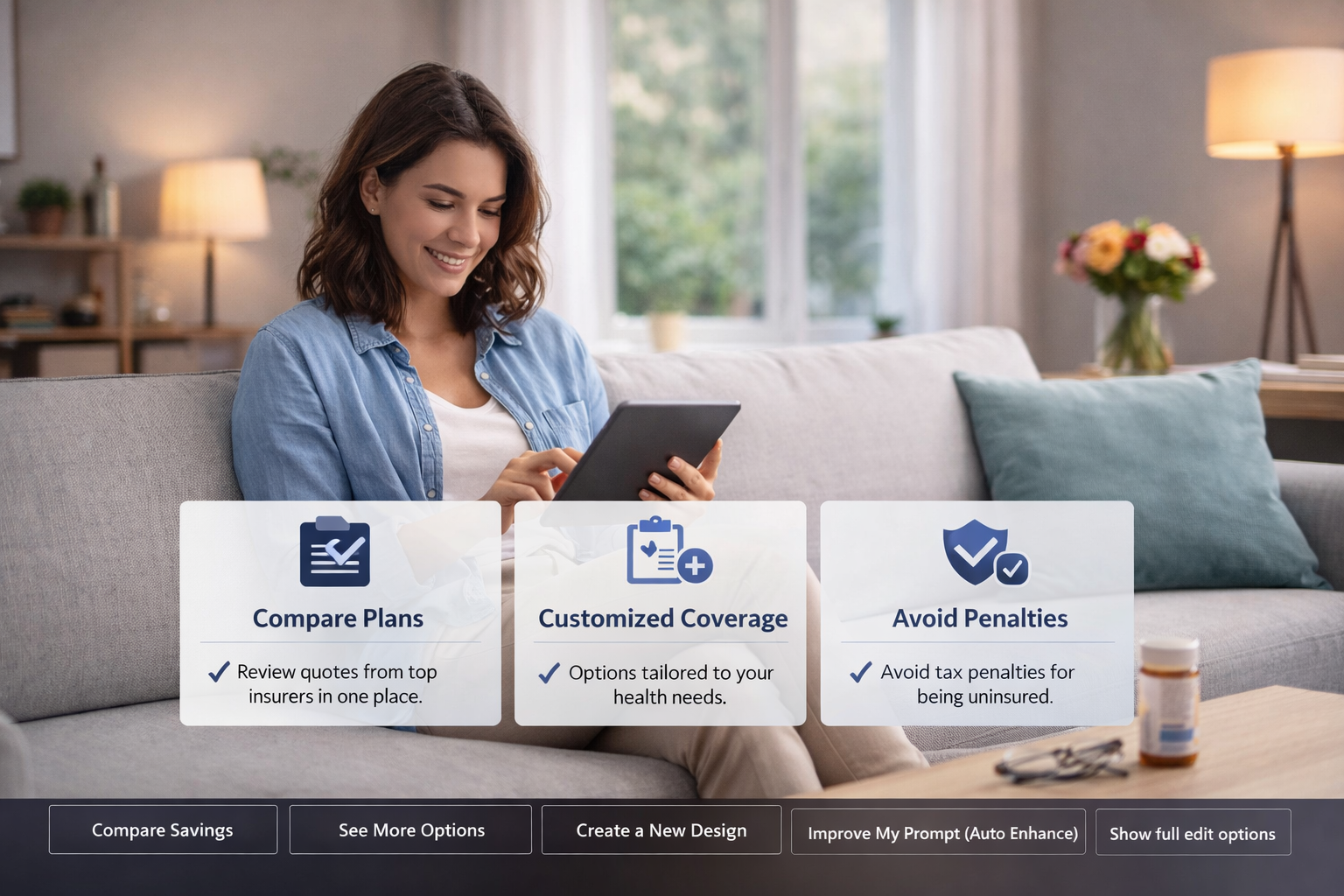
Shopping for individual health insurance near me in 2026 should be about more than finding the lowest monthly premium. The stronger decision is the plan that fits your doctors, prescriptions, expected care usage, deductible comfort, and subsidy eligibility. A low premium can still become an expensive mistake if the network is too narrow, the drug coverage is weak, or the deductible is far above what your household can realistically absorb.
Individual and family health insurance works best when you compare plans on the same baseline. That means looking at the Marketplace metal level, provider network, prescription formulary, out-of-pocket maximum, and whether your household may qualify for premium tax credits or extra savings. In 2026, that comparison matters even more because many shoppers are seeing different subsidy outcomes than they saw previously, and plan structure still varies sharply by ZIP code, carrier, and county.
How to compare individual health insurance so the winner is real
The most common mistake in individual health insurance shopping is comparing premiums without comparing the rest of the cost structure. Your real yearly spending is driven by five moving parts: premium, deductible, copays, coinsurance, and out-of-pocket maximum. Then you layer in network fit, prescriptions, and whether your preferred hospitals and specialists participate in the plan. That is why the right policy is not automatically the cheapest Bronze plan or the richest-looking Gold plan. It is the one that matches the way your household actually uses care.
- Start with provider fit: verify your primary doctor, key specialists, nearby urgent care, and preferred hospitals.
- Check prescriptions: confirm every ongoing medication is on the formulary and review the tier and pharmacy rules.
- Compare total cost, not premium alone: balance monthly premium against deductible, copays, coinsurance, and the out-of-pocket cap.
- Match the metal level to your care usage: lower premium can mean higher cost when you actually need care.
- Review subsidy fit carefully: if you qualify for Marketplace savings, the best value can change dramatically.
Coverage basics: what individual health insurance should do for you in 2026
Marketplace health plans are built around core medical protection, but the plan details still matter. Every Marketplace plan covers the major essential health benefit categories, yet the practical user experience depends on network design, cost sharing, and how the carrier handles claims, referrals, and prescription access. If you expect specialist care, regular prescriptions, therapy visits, lab work, imaging, or planned procedures, the structure of the plan matters more than a headline premium.
| Coverage area | What it generally includes | What to verify | Why it matters |
|---|---|---|---|
| Essential health benefits | Core medical services such as outpatient care, hospitalization, maternity, mental health, prescriptions, labs, preventive care, and more | Plan-specific copays, coinsurance, exclusions, and state-specific details | All Marketplace plans cover the basics, but cost sharing still varies |
| Preventive care | Eligible preventive services without extra out-of-pocket cost when used correctly | Network usage, service coding, and how the plan defines preventive vs diagnostic care | Helps avoid paying more than expected for annual care |
| Prescription drugs | Coverage for formulary medications | Drug tier, prior authorization, quantity limits, and preferred pharmacy rules | Prescription design can change the real value of a plan quickly |
| Mental health | Behavioral health and substance use disorder services | Network depth and access to local providers | Many households underestimate network access until they need care |
| Pediatric vision and dental | Included for children through Marketplace-compliant coverage | Carrier handling and whether adult dental or vision is separate | Families should check the practical setup, not assume identical plan design |
Marketplace plan levels: Bronze, Silver, Gold, Platinum, and when each one can make sense
Metal levels do not measure quality of care. They show how costs are generally split between you and the plan. Bronze usually has the lowest premium and the highest deductible. Gold and Platinum usually cost more each month but can reduce what you pay when you actually use care. Silver sits in the middle and becomes especially important for shoppers who qualify for extra savings, because those savings are tied to Silver enrollment.
| Plan level | Typical fit | Strengths | Watch-outs |
|---|---|---|---|
| Bronze | Households that want lower premiums and can absorb more cost when they use care | Lower monthly premium; may work well for low expected usage | Higher deductible and more out-of-pocket exposure |
| Silver | Balanced shoppers and anyone who may qualify for extra savings | Moderate premium and moderate cost sharing; key subsidy lane | Needs careful comparison because some Silver plans outperform others materially |
| Gold | People expecting regular care, prescriptions, or specialist usage | Lower deductibles and lower cost when you use care | Higher premium may not pay off for low-use households |
| Platinum | Areas where available and households prioritizing rich day-to-day coverage | Very low cost sharing when you get care | Highest premium and not offered everywhere |
| Catastrophic | Younger or hardship-eligible shoppers focused on worst-case protection | Lower premium and strong protection against major events | Very high deductible and narrow fit for many households |
In 2026, plan design conversations should also include whether an HSA-eligible option fits your budget strategy. For some shoppers, especially healthy households that want a tax-advantaged way to prepare for out-of-pocket medical costs, an eligible Bronze or Catastrophic path deserves a closer look. That still does not mean it is automatically the best value. If you expect regular office visits, prescriptions, therapy, imaging, or specialist care, a stronger Silver or Gold design can still be the better financial move.
Networks, prescriptions, and total cost: where smart plan selection really happens
The best individual health insurance choice often comes down to network access and prescription handling. A plan with a lower premium may place your doctor out of network, route your hospital preference to a higher-cost setting, or push key medications into a less favorable tier. Compare each option on your real usage pattern instead of shopping from a generic checklist.
| Decision area | What to compare | Why it changes the outcome | Best move |
|---|---|---|---|
| Primary doctors & specialists | Exact doctor, facility, and network participation | One out-of-network provider can change care access and cost dramatically | Verify every key provider before enrollment |
| Hospital system fit | Preferred hospitals, surgical centers, and emergency pathways | Hospital access is one of the most overlooked plan differences | Check your dominant local system, not just the carrier logo |
| Prescription formulary | Drug tier, authorization rules, and preferred pharmacies | Ongoing medications can drive yearly cost more than premium differences | Price your real prescriptions before deciding |
| Total yearly exposure | Premium + deductible + copays/coinsurance + out-of-pocket max | Lowest premium is not always lowest total spending | Model the plan for low, medium, and high usage |
Enrollment rules for 2026: when you can sign up, change plans, or qualify outside Open Enrollment
Most people enroll during the annual Open Enrollment window. Outside that period, you generally need a qualifying life event to open a Special Enrollment Period. Losing other health coverage, moving, getting married, or having a baby are common examples. Medicaid and CHIP eligibility can also open different coverage paths for some households. The practical lesson is simple: timing matters, but so does getting your income and household information right before you submit an application.
| Topic | How it works | What to watch | Best practice |
|---|---|---|---|
| Open Enrollment | Main annual window to enroll, renew, or change Marketplace health plans | Missing the window can limit options unless you qualify for SEP | Review plans early and update household info before enrolling |
| Special Enrollment Period | Available after qualifying life events such as losing coverage, moving, marriage, or birth | Documentation may be required | Apply promptly after the event |
| Premium tax credit | Can lower monthly premium for eligible households | Amount depends on expected income, household size, and available plans | Keep income estimates accurate |
| Extra savings | Can reduce deductibles, copays, and coinsurance for eligible households | These savings are tied to Silver plans | Always test Silver carefully if you qualify |
| Tax reconciliation | Needed when you used Marketplace premium tax credits | Failure to reconcile can affect future savings eligibility | File accurately and on time |
Individual health insurance help across our licensed service areas
We help shoppers compare individual health insurance with a practical, quote-first approach: verify doctors, review prescriptions, compare metal levels, and check whether the plan still fits after the subsidy math is done. Whether you are self-employed, between employer plans, aging off a parent plan, moving, or simply reviewing your current coverage, the goal is the same: cleaner plan selection with fewer surprises after enrollment.
| Area group | Examples | Most common request |
|---|---|---|
| Arizona & Southwest | Phoenix, Tucson, Glendale, Mesa, Chandler, Albuquerque, Las Cruces | Marketplace subsidy fit, network review, and provider matching |
| Texas & South | Dallas–Fort Worth, Houston, Austin, San Antonio, Atlanta, Charlotte, Raleigh | Silver vs Gold cost comparisons and family plan budgeting |
| Midwest | Omaha, Detroit, Kansas City, Des Moines, Wichita, Oklahoma City | Prescription and out-of-pocket maximum comparisons |
| East & coastal markets | New York City, Miami, Orlando, Richmond, Virginia Beach, Charleston | Network fit and specialist access review |
Get individual health insurance quotes for 2026
Start with a clean quote baseline: household size, estimated yearly income, ZIP code, doctors you want to keep, prescription list, and whether you expect low, medium, or high usage this year. That makes the comparison more accurate and helps prevent a premium-only decision that backfires later.
Use your doctors, prescriptions, expected usage, and budget target as the baseline when you compare plans.
Related topics
Individual health insurance FAQs (2026)
What matters more when comparing plans: premium or deductible?
Neither by itself. The better measure is total yearly cost. A lower premium can still lose if the deductible, copays, coinsurance, network fit, or prescription coverage creates more spending when you actually use care.
Why are Silver plans so important for many Marketplace shoppers?
Because eligible households can receive extra savings on deductibles, copays, and coinsurance only through a Silver plan. That can make Silver much stronger than a simple premium comparison suggests.
Can I buy a plan outside the Marketplace?
Yes, but premium tax credits and related Marketplace savings are tied to Marketplace enrollment. That is why many shoppers should compare Marketplace options carefully before making an off-Marketplace decision.
What if Open Enrollment is over?
You may still be able to enroll if you qualify for a Special Enrollment Period due to a life event such as losing coverage, moving, getting married, or having a baby. Medicaid and CHIP may also be available year-round for eligible households.
How do I choose between Bronze, Silver, and Gold?
Bronze often fits lower expected usage and tighter premium budgets. Silver is important for balanced shoppers and anyone who may qualify for extra savings. Gold often makes sense for people expecting regular care, prescriptions, or specialist visits.
Independent agency: Blake Insurance Group LLC is an independent insurance agency and is not affiliated with any single insurance company or Marketplace carrier.
Licensing: Licensed insurance producer (NPN 16944666).
Important: Plan availability, premiums, subsidies, provider participation, formularies, network design, and out-of-pocket costs vary by carrier, county, ZIP code, household details, and plan selection.
Trademarks: All product and company names are trademarks™ or registered® trademarks of their respective holders. Use of them does not imply affiliation or endorsement.




