Pet Insurance Cost: What Affects Monthly Premiums for Dogs and Cats?
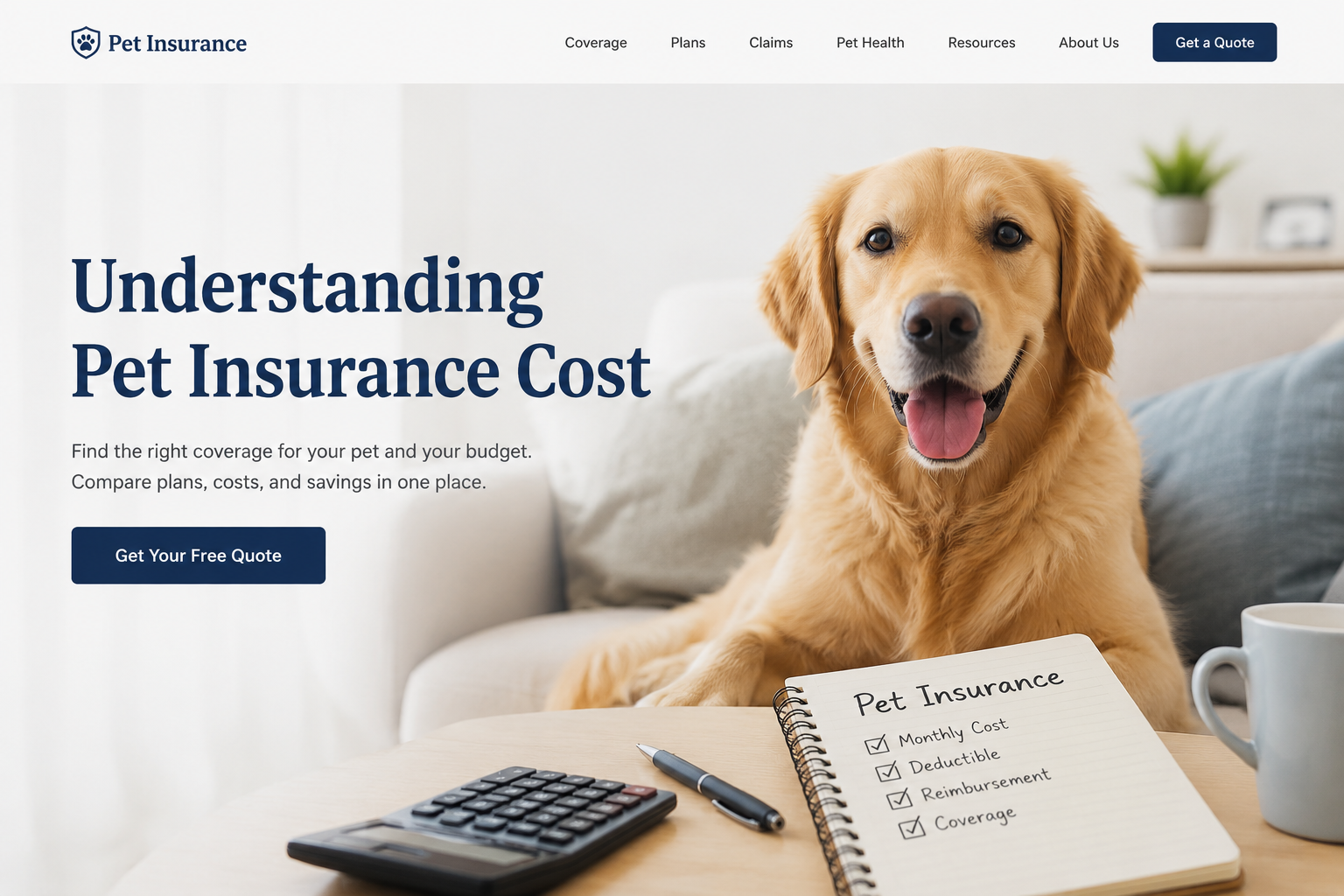
Pet insurance cost is one of the first questions pet owners ask, but the better question is: what are you getting for the premium? A low monthly price may look attractive, but it may also come with a high deductible, lower reimbursement percentage, smaller annual limit, fewer covered conditions, no wellness option, or exclusions that matter for your dog or cat. A higher premium may provide broader accident and illness protection, stronger reimbursement, or more room for emergency vet bills. The best pet insurance cost is not simply the cheapest quote. It is the price that matches your pet’s risk, your budget, and the type of veterinary care you want the option to pursue.
In general, pet insurance costs more for dogs than cats, and older pets often cost more than younger pets. Breed, ZIP code, veterinary costs in your area, deductible choice, reimbursement percentage, annual limit, and optional wellness benefits can all affect the final quote. A young indoor cat in a lower-cost veterinary market may be much cheaper to insure than an older large-breed dog in a high-cost metro area. That is why averages are useful as a starting point, but a personalized quote is the only way to see your real price.
Blake Insurance Group helps pet owners compare pet insurance cost in a practical way. Instead of focusing only on the monthly premium, we recommend reviewing the full plan design: deductible, reimbursement rate, annual limit, covered accidents, covered illnesses, hereditary conditions, chronic conditions, dental injury language, emergency care, specialty care, waiting periods, claim submission rules, pre-existing condition exclusions, and optional routine-care benefits. This gives you a clearer picture of the real value behind the premium.
Pet insurance generally works best when purchased before symptoms or conditions appear. Most plans do not cover pre-existing conditions, and claims for conditions that occur during a waiting period may be excluded.
Quick snapshot: what determines pet insurance cost?
Pet insurance cost is shaped by your pet’s age, species, breed, location, policy type, deductible, reimbursement percentage, annual limit, optional wellness coverage, and insurer underwriting rules.
| Cost question | What to compare | Why it matters |
|---|---|---|
| Dog or cat? | Species, breed, age, and expected veterinary risk. | Dogs usually cost more to insure than cats because claim frequency and treatment costs can differ. |
| What plan type? | Accident-only, accident and illness, or accident/illness with wellness add-on. | The broader the coverage, the more the premium may increase. |
| How much risk do you keep? | Deductible, reimbursement percentage, annual limit, and excluded services. | Lower monthly cost may mean more out-of-pocket cost at claim time. |
| When are you enrolling? | Pet age, current health, symptoms, medical records, and waiting periods. | Waiting until a pet is older or symptomatic can increase cost and reduce eligible coverage. |
What is the average cost of pet insurance?
Average pet insurance cost is helpful for context, but it should not be treated as a guaranteed price. Industry averages combine many pets, breeds, ages, states, deductibles, reimbursement percentages, annual limits, and plan designs. Your actual quote may be lower or higher depending on your pet and the plan you choose. For example, a puppy with a moderate deductible and limited annual benefit may price differently than a senior dog with a higher annual limit and stronger reimbursement percentage.
Pet owners should also understand the difference between premium and total cost. The premium is what you pay to keep the policy active. Your total cost includes the premium plus deductibles, co-insurance, excluded charges, routine-care costs if not included, and any vet bill amount above the annual limit. A plan with a lower premium may cost more overall if a major claim occurs and the deductible is high or the reimbursement percentage is low.
| Average cost item | What it tells you | What it does not tell you |
|---|---|---|
| Monthly premium | The recurring cost to keep the policy active. | It does not show deductible, exclusions, reimbursement, or claim value by itself. |
| Dog average | A broad benchmark for accident and illness dog policies. | It may not reflect your dog’s age, breed, location, or health history. |
| Cat average | A broad benchmark for accident and illness cat policies. | It may not reflect indoor/outdoor lifestyle, age, breed, or local vet costs. |
| Wellness add-on cost | The extra premium for routine-care benefits if available. | It may not save money unless you actually use the listed benefits. |
Use averages as a starting point only. Your real pet insurance cost should be based on a live quote for your pet’s age, breed, ZIP code, plan design, and coverage preferences.
Pet insurance cost factors: why quotes vary so much
Pet insurance companies price coverage based on expected veterinary risk. That risk can be influenced by medical trends, breed-related conditions, local veterinary pricing, pet age, and the coverage design selected by the pet owner. A large-breed dog with potential orthopedic risk may cost more than a young mixed-breed cat. A plan with a low deductible and high reimbursement percentage may cost more than a plan where the owner keeps more of the risk.
Cost also depends on what you want the plan to do. Some pet owners want emergency-only protection for large, unexpected bills. Others want broader accident and illness coverage with a wellness add-on for routine care. Some want the lowest possible monthly premium, while others prefer a higher premium in exchange for a lower deductible or stronger reimbursement. There is no one correct design for every household.
| Cost factor | How it can affect price | Smart shopping step |
|---|---|---|
| Pet age | Older pets often cost more because illness risk and claim severity can increase with age. | Quote while your pet is younger and healthier when possible. |
| Species | Dogs usually cost more than cats due to different claim patterns and treatment costs. | Compare dog and cat quotes separately instead of assuming one average applies. |
| Breed | Some breeds have higher expected costs for hereditary, congenital, dental, or orthopedic issues. | Review policy wording for breed-related and hereditary conditions. |
| ZIP code | Veterinary costs vary by city, state, emergency hospital access, and specialty-care pricing. | Use the correct address and compare options based on your local market. |
| Deductible | A higher deductible may lower premium, but you pay more before reimbursement begins. | Choose a deductible you can actually afford during an emergency. |
| Reimbursement percentage | Higher reimbursement can increase premium but may return more after eligible claims. | Compare 70%, 80%, and 90% style options if available. |
| Annual limit | Higher annual limits may increase premium but can help with serious claims. | Think about emergency surgery, hospitalization, cancer care, and specialty treatment. |
| Wellness option | Routine-care add-ons can increase premium. | Compare the added cost to the benefits you realistically expect to use. |
Deductibles, reimbursement, and annual limits: the real cost behind the quote
Pet insurance cost cannot be judged by premium alone because claims are usually reimbursed according to a formula. In many plans, you pay the veterinarian, submit the claim, and the insurer reviews eligible expenses. The plan may apply a deductible first, then reimburse a percentage of eligible charges up to the annual limit. If a charge is excluded or considered pre-existing, it may not count toward reimbursement.
For example, two plans may both cost around the same monthly premium but perform very differently during a claim. One may reimburse 90% after a lower deductible but have a smaller annual limit. Another may reimburse 70% after a higher deductible but offer a lower premium. A third may include optional wellness benefits but cost more each month. This is why comparing only the premium can lead to a poor decision.
| Plan design item | Lower monthly premium usually means | Higher monthly premium may mean |
|---|---|---|
| Deductible | You may choose a higher deductible and pay more before reimbursement. | You may choose a lower deductible and reduce claim-day out-of-pocket cost. |
| Reimbursement | You may receive a smaller share of eligible expenses back. | You may receive a larger share of eligible expenses back. |
| Annual limit | You may accept a smaller maximum annual reimbursement. | You may choose a higher annual limit for major vet bills. |
| Wellness benefits | Routine care may be paid fully out of pocket. | Some routine care may be reimbursed if a wellness add-on is included. |
Why dog insurance usually costs more than cat insurance
Dog insurance usually costs more than cat insurance because dogs often have higher claim frequency, higher treatment costs, and more breed-related pricing variation. Large dogs may have orthopedic risks. Some purebred dogs may have higher expected claim costs for hereditary or congenital issues. Active dogs may be more likely to experience injuries, swallowed objects, torn ligaments, cuts, or emergency visits.
Cat insurance can still be valuable. Cats may develop urinary blockages, kidney disease, diabetes, dental disease, infections, injuries, cancer, or chronic conditions. Indoor cats are not immune to expensive vet bills, and outdoor cats may face additional injury and disease risks. The main difference is that broad market averages usually show cats as less expensive to insure than dogs.
| Pet type | Common cost considerations | Quote review tip |
|---|---|---|
| Puppies | Accidents, swallowed objects, vaccines, spay/neuter planning, early illnesses. | Enroll early and compare wellness add-ons separately from accident/illness coverage. |
| Adult dogs | Allergies, injuries, infections, orthopedic issues, emergency care, chronic conditions. | Review hereditary and orthopedic wording before selecting a plan. |
| Senior dogs | Diagnostics, arthritis, cancer, medication, heart disease, diabetes, specialty care. | Check age eligibility, premium changes, and pre-existing condition limits. |
| Kittens | Accidents, infections, vaccines, spay/neuter planning, parasite prevention. | Quote early while medical history is simple. |
| Adult cats | Urinary issues, dental disease, injuries, digestive problems, chronic illness. | Compare accident/illness protection even for indoor cats. |
| Senior cats | Kidney disease, thyroid disease, diabetes, cancer, diagnostics, medication. | Review age restrictions, exclusions, and long-term affordability. |
Does wellness coverage change pet insurance cost?
Wellness coverage can increase pet insurance cost because it is usually an add-on for routine or preventive care. Depending on the plan, wellness benefits may help with annual exams, vaccines, dental cleaning, flea and tick prevention, heartworm testing, fecal testing, bloodwork, spay/neuter, microchipping, or other scheduled care. These benefits are different from accident and illness coverage.
Whether wellness is worth the added cost depends on how much routine care your pet receives and how the benefit schedule works. Some owners like the predictability of spreading routine care into a monthly payment. Others prefer to pay routine care out of pocket and use insurance mainly for unexpected accidents and illnesses. Before adding wellness, compare the annual add-on cost to the benefits you realistically expect to use.
| Wellness item | Why it may help | Cost question to ask |
|---|---|---|
| Annual exam | Encourages routine preventive care and early detection. | Is the benefit close to what your vet actually charges? |
| Vaccines | May help offset common puppy, kitten, dog, or cat vaccine costs. | Are the vaccines your pet needs listed in the benefit schedule? |
| Dental cleaning | May help with preventive dental care when available. | Does the plan distinguish routine cleaning from dental illness or injury? |
| Parasite prevention | May help with flea, tick, or heartworm prevention. | Would you buy these products anyway without the add-on? |
Pet insurance cost vs a pet emergency savings account
Some pet owners compare pet insurance to saving money in a separate emergency account. A savings account gives you control and can help with routine care, deductibles, excluded services, and small vet bills. The limitation is timing. If a major emergency happens before the account has grown, the saved balance may not be enough. Pet insurance, by contrast, may help with eligible large unexpected claims after the policy is active and waiting periods are satisfied.
Many households use both. They keep pet insurance for eligible accidents and illnesses while also maintaining a savings account for deductibles, co-insurance, routine care, wellness items, food, grooming, and excluded charges. This approach can reduce financial pressure during a serious veterinary event while still keeping cash available for costs insurance does not reimburse.
| Approach | Strength | Limitation |
|---|---|---|
| Pet insurance | May help with eligible major accidents, illnesses, diagnostics, surgery, and emergency care. | Premiums, deductibles, exclusions, waiting periods, and pre-existing condition rules apply. |
| Savings account | Flexible cash for routine care, deductibles, excluded items, and small bills. | May not be large enough if a serious emergency occurs early. |
| Insurance plus savings | Combines reimbursement potential with cash flexibility. | Requires monthly discipline and budget planning. |
How to get an accurate pet insurance cost quote
To get a more accurate pet insurance quote, gather your pet’s species, age, breed, ZIP code, adoption or purchase date, recent veterinary history, current medications, and any known symptoms or conditions. If your pet is a rescue, gather adoption records if available. If your pet has been treated before, keep medical records because they may be requested during claim review.
When comparing quotes, look beyond the monthly premium. Review the deductible, reimbursement percentage, annual limit, accident and illness coverage, hereditary condition language, orthopedic waiting period, wellness options, claim deadline, and pre-existing condition wording. A slightly higher premium may be worth considering if it better fits your risk and expected veterinary needs.
Coverage is not active until enrollment is completed, payment is accepted where required, the insurer confirms the policy effective date, and applicable waiting periods are satisfied.
Pet insurance cost FAQs
How much does pet insurance cost?
Pet insurance cost varies by pet age, species, breed, ZIP code, plan type, deductible, reimbursement percentage, annual limit, wellness options, and insurer. Dogs usually cost more than cats, and older pets often cost more than younger pets.
Why is dog insurance more expensive than cat insurance?
Dog insurance is often more expensive because dogs may have higher claim frequency, higher treatment costs, and more breed-related pricing variation. Large breeds and breeds with hereditary or orthopedic risks may cost more to insure.
Can I lower my pet insurance premium?
You may be able to lower premium by choosing a higher deductible, lower reimbursement percentage, lower annual limit, or removing optional wellness benefits. Before reducing premium, review how much more you would pay out of pocket after a claim.
Does pet insurance cost increase as my pet gets older?
Pet insurance premiums may increase over time due to pet age, veterinary inflation, claim trends, location, plan changes, and insurer rating updates. Review renewal notices carefully and compare options before making changes.
Is wellness coverage worth the added cost?
Wellness coverage may be worth it if you regularly use the listed routine-care benefits. Compare the annual add-on cost to expected benefits for exams, vaccines, dental cleaning, parasite prevention, testing, and other eligible services.
Does cheaper pet insurance cover less?
Sometimes. A cheaper plan may have a higher deductible, lower reimbursement percentage, lower annual limit, fewer benefits, or stricter exclusions. Always compare policy design before choosing based on price alone.
Should I buy pet insurance or just save money?
A savings account can help with routine care and small bills, but it may not be enough for a major emergency early in your pet’s life. Many pet owners use both insurance and savings to prepare for different types of costs.
Independent agency: Blake Insurance Group LLC is an independent insurance agency and is not affiliated with any single pet insurer, veterinarian, animal hospital, breeder, shelter, rescue organization, or pet-care provider.
Licensing: Licensed insurance producer (NPN 16944666). Blake Nwosu, owner and principal agent, license 16117464.
Important: Pet insurance availability, eligibility, premiums, deductibles, reimbursement percentages, annual limits, waiting periods, wellness options, claim rules, exclusions, underwriting approval, pre-existing condition determinations, and claim outcomes vary by insurer, state, pet, species, age, breed, medical history, and policy form. Your issued policy controls coverage.
Service note: This page is general information only and is not veterinary, medical, legal, tax, financial, breeding, training, or claims advice. Always consult a licensed veterinarian for your pet’s health and review policy documents before enrolling.
Trademarks: Fetch®, Fetch Pet Insurance®, and any carrier, platform, veterinarian, pet-care, or program names are trademarks™ or registered® trademarks of their respective owners. Use of names does not imply affiliation or endorsement.





Reviews are loaded from Google when you click “View reviews.”