Dog Insurance: Compare Coverage for Vet Bills, Accidents, Illnesses, Emergencies, and More
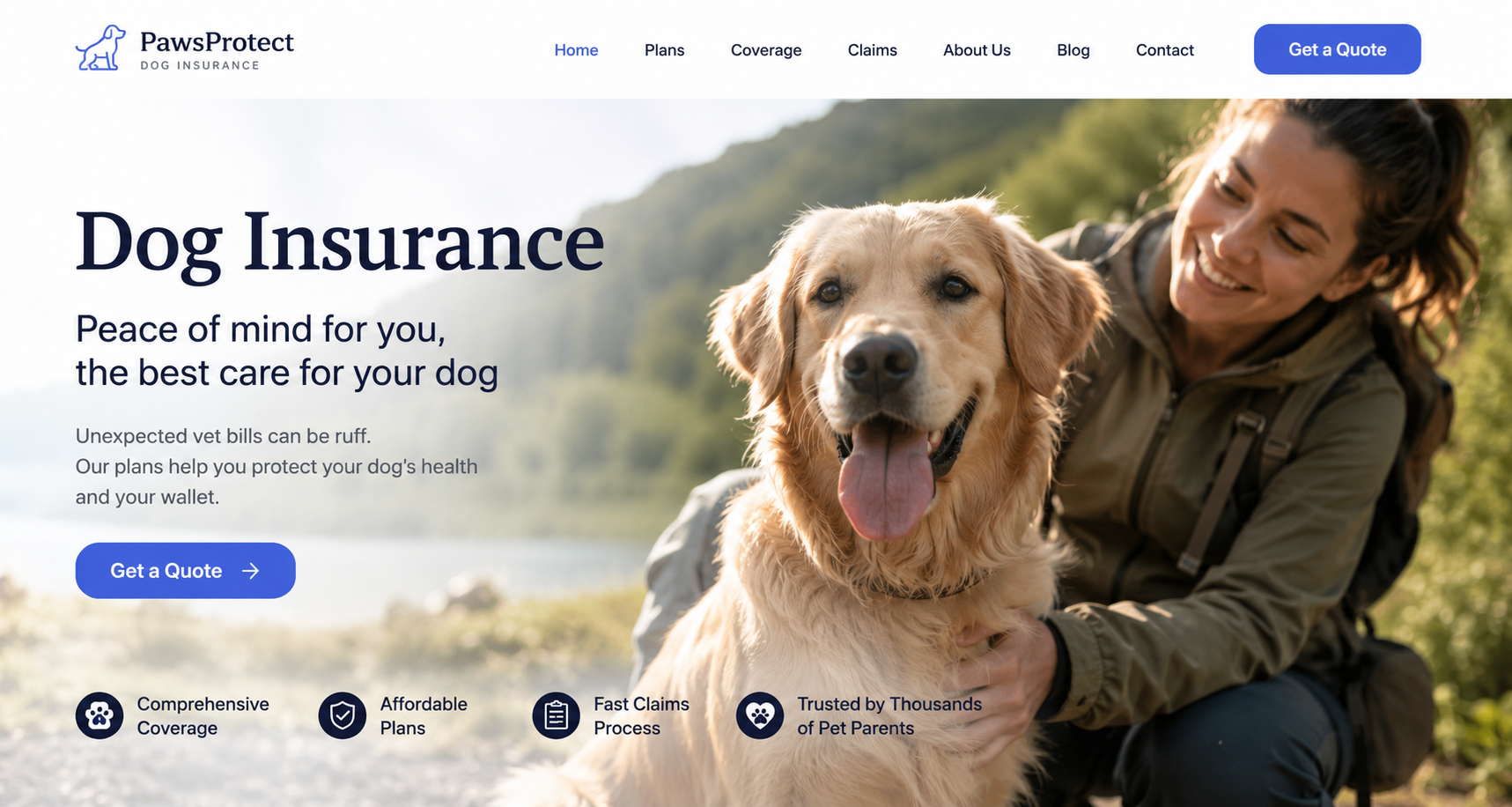
Dog insurance can help pet owners plan for eligible veterinary bills when a dog gets hurt, becomes sick, needs emergency treatment, or develops a covered condition after the policy’s waiting period. For many families, a dog is more than a pet. Dogs are companions, protectors, emotional support, travel partners, jogging partners, and part of the household routine. When an unexpected vet bill arrives, the question is not only “How much will this cost?” but also “Can I make the best medical decision without being forced into a financial corner?”
Veterinary care has become more advanced, but advanced care can also be expensive. Diagnostic imaging, bloodwork, emergency exams, orthopedic care, surgery, hospitalization, cancer treatment, chronic-condition management, prescription medication, specialty care, and follow-up visits can add up quickly. Dog insurance is designed to help reduce the financial shock of eligible accident and illness claims by reimbursing a portion of covered veterinary expenses, subject to the plan’s deductible, reimbursement percentage, annual limit, exclusions, waiting periods, and policy terms.
Blake Insurance Group helps dog owners compare pet health coverage with a practical, coverage-first approach. The goal is not just to buy the cheapest dog insurance policy. The goal is to understand what is covered, what is excluded, when coverage begins, how claims are reimbursed, whether wellness options are available, and how the plan fits your dog’s age, breed, lifestyle, medical history, and your household budget.
Dog insurance generally works best when purchased before symptoms or conditions appear. Like most pet insurance, coverage usually does not apply to pre-existing conditions, and waiting periods can affect when accident, illness, or orthopedic coverage begins.
Quick snapshot: how dog insurance works
Dog insurance can help reimburse eligible veterinary costs after covered accidents or illnesses. Plans usually include a deductible, reimbursement percentage, annual limit, exclusions, claim-submission rules, and waiting periods.
| Coverage question | What to review | Why it matters |
|---|---|---|
| What type of plan is it? | Accident and illness, accident-only, or accident/illness with optional wellness. | The plan type determines whether sickness, injuries, or preventive care may be included. |
| How are claims paid? | Deductible, reimbursement percentage, annual limit, invoice rules, and claim deadline. | These details affect how much you may receive back after an eligible vet bill. |
| When does coverage begin? | Effective date, accident waiting period, illness waiting period, and orthopedic waiting period. | Conditions that occur before coverage or during a waiting period may not be covered. |
| What is excluded? | Pre-existing conditions, grooming, cosmetic procedures, certain foods, and late claims. | Understanding exclusions prevents disappointment at claim time. |
What dog insurance may cover
Dog insurance is commonly used for unexpected accidents and illnesses. Depending on the plan, covered expenses may include emergency visits, diagnostics, hospitalization, surgery, prescription medications, specialist care, treatment for certain hereditary or congenital conditions, dental injuries, behavioral therapy, and follow-up treatment related to a covered condition. Coverage varies by insurer and policy form, so the issued policy controls what is actually covered.
The biggest value of dog insurance is financial predictability. A dog can swallow a foreign object, tear a ligament, develop an infection, get injured at a dog park, suffer an allergic reaction, experience gastrointestinal problems, develop cancer, need emergency surgery, or require specialty care. A pet owner without insurance may need to decide whether to use savings, a credit card, a payment plan, or delay care. Insurance does not remove every cost, but it may help reduce the burden of covered claims.
| Coverage area | Examples | Why dog owners review it |
|---|---|---|
| Accidents | Broken bones, bite wounds, swallowed objects, poisoning, torn nails, injuries from falls. | Accidents can happen at any age, even with healthy dogs. |
| Illnesses | Infections, stomach problems, allergies, diabetes, cancer, urinary issues, skin conditions. | Illness claims can involve exams, testing, medication, follow-up care, and long-term management. |
| Emergency care | Emergency hospitals, urgent exams, hospitalization, surgery, after-hours treatment. | Emergency visits can be among the most expensive pet-health events. |
| Diagnostics | X-rays, ultrasounds, bloodwork, urinalysis, biopsies, advanced imaging. | Diagnosis is often necessary before treatment decisions can be made. |
| Hereditary or breed-related conditions | Hip dysplasia, IVDD, patellar luxation, allergies, eye problems, or other breed-related risks when eligible. | Breed risk can affect long-term veterinary costs and coverage planning. |
| Optional wellness | Annual exams, vaccinations, dental cleaning, spay/neuter, bloodwork, fecal tests, flea/tick prevention. | Wellness is usually separate from accident and illness coverage and may require an add-on. |
Accident and illness coverage is different from wellness coverage. If you want help with routine care such as vaccines, annual exams, dental cleaning, or prevention, review whether a wellness add-on is available and how benefits are paid.
What dog insurance usually does not cover
Dog insurance is not the same as human health insurance. Most pet insurance plans do not cover pre-existing conditions. A pre-existing condition may include an injury, illness, symptom, or clinical sign that existed before enrollment, before the policy effective date, or during a waiting period. This is one reason many dog owners prefer to enroll when their dog is young and healthy, before medical issues begin.
Other common exclusions may include grooming, cosmetic procedures, elective procedures, certain prescription foods, breeding costs, preventable conditions if required preventive care was not completed, and claims submitted too late. Every insurer defines exclusions differently, so dog owners should read the sample policy, declarations, waiting-period wording, and claim instructions before relying on a plan.
| Issue | What it means | Smart review step |
|---|---|---|
| Pre-existing conditions | Conditions, symptoms, or injuries that existed before coverage or during a waiting period may be excluded. | Enroll before symptoms appear and keep complete vet records. |
| Waiting periods | Coverage may not apply immediately to certain accidents, illnesses, or orthopedic conditions. | Confirm waiting periods before assuming a claim will be covered. |
| Routine care | Vaccines, annual exams, dental cleaning, and prevention may require a wellness add-on. | Compare accident/illness coverage separately from wellness benefits. |
| Late claims | Claims may need to be submitted within a required time after treatment. | Submit invoices and medical records promptly after each visit. |
| Cosmetic or grooming services | Grooming and cosmetic procedures are commonly excluded. | Do not treat dog insurance as a grooming or maintenance plan. |
What affects dog insurance cost?
Dog insurance premiums can vary by your dog’s age, breed, location, plan type, annual limit, deductible, reimbursement percentage, optional wellness benefits, and insurer. Older dogs may cost more to insure because health risks often increase with age. Certain breeds may have higher expected claim costs because of hereditary conditions, orthopedic risk, respiratory issues, allergies, eye problems, cardiac conditions, or other breed-related concerns. Location can also matter because veterinary costs differ by market.
The way you design the plan also affects the premium. A lower deductible, higher reimbursement percentage, and higher annual limit generally increase premium but may provide more reimbursement after an eligible claim. A higher deductible or lower reimbursement percentage may reduce monthly cost but leaves you responsible for more of the vet bill. The right balance depends on whether your priority is monthly affordability, stronger claim protection, or a middle ground.
| Cost factor | Why it matters | Quote review tip |
|---|---|---|
| Dog age | Health risks often rise as dogs get older. | Consider enrolling earlier rather than waiting until symptoms appear. |
| Breed | Some breeds have higher expected costs for hereditary or orthopedic conditions. | Review coverage for breed-related conditions and orthopedic waiting periods. |
| ZIP code | Veterinary costs vary by region, city, and emergency-care availability. | Use the correct address when quoting. |
| Deductible | The amount you pay before reimbursement may apply. | Choose a deductible you could pay during an emergency. |
| Reimbursement percentage | The share of eligible costs the plan may reimburse after deductible. | Compare 70%, 80%, and 90% style options if available. |
| Annual limit | The maximum eligible reimbursement in a policy year may be capped. | Consider whether the limit fits emergency surgery or specialty-care risk. |
Dog insurance by breed, age, and lifestyle
Breed, age, and lifestyle can change what you should pay attention to when comparing dog insurance. Large breeds may be more likely to face orthopedic concerns. Small breeds may have dental or patellar risks. Active dogs may have a higher chance of injuries from hiking, running, jumping, dog parks, or travel. Senior dogs may need more diagnostic testing, medication, and chronic-condition monitoring. Puppies may need wellness planning, vaccines, spay/neuter conversations, and protection before unexpected accidents occur.
A good dog insurance comparison should account for the real dog in front of you. A French Bulldog, Labrador Retriever, German Shepherd, Golden Retriever, Dachshund, Chihuahua, Poodle, Great Dane, Boxer, Australian Shepherd, Pit Bull-type dog, mixed breed, or rescue dog may each have different medical considerations. Insurance does not guarantee every breed-related issue is covered, but reviewing policy wording before enrollment helps you understand how hereditary, congenital, orthopedic, dental, and chronic conditions are handled.
| Dog profile | Common concern | Coverage focus |
|---|---|---|
| Puppies | Accidents, swallowed objects, vaccines, spay/neuter, early illnesses. | Enroll early, review wellness add-ons, and keep vet records complete. |
| Adult dogs | Injuries, allergies, infections, emergency visits, chronic conditions. | Review accident and illness coverage, deductible, and reimbursement percentage. |
| Senior dogs | Arthritis, cancer, diabetes, heart disease, diagnostics, medications. | Check age eligibility, pre-existing exclusions, and annual limits. |
| Large breeds | Hip dysplasia, cruciate ligament injuries, orthopedic surgery, joint issues. | Review orthopedic waiting periods and hereditary-condition language. |
| Active dogs | Sprains, cuts, foreign-body ingestion, heat stress, travel-related injuries. | Review emergency care, diagnostics, surgery, and specialist coverage. |
| Rescue dogs | Unknown medical history, prior symptoms, missing records. | Gather adoption records and schedule a vet exam soon after adoption. |
How dog insurance claims usually work
Most dog insurance works on a reimbursement model. You visit the veterinarian, pay the clinic, submit the invoice and required medical records, and the insurer reviews the claim. If the claim is eligible, reimbursement is calculated based on the policy terms. For example, the plan may apply a deductible first and then reimburse a percentage of covered costs up to the annual limit. Exact claim handling depends on the insurer and the policy.
This means dog owners should be prepared to pay the vet at the time of service unless the insurer offers a direct-pay option and the clinic accepts it. Keeping organized medical records is important. Records can help show when symptoms began, whether a condition is pre-existing, what treatment was provided, and whether the claim fits the policy language. Submitting claims quickly also matters because some insurers require claims to be filed within a specific number of days after treatment.
| Claim step | What to prepare | Why it matters |
|---|---|---|
| Visit the vet | Invoice, diagnosis, treatment plan, itemized charges. | Itemized invoices help the insurer review eligible costs. |
| Gather records | SOAP notes, medical history, lab results, imaging notes, prescriptions. | Records can determine whether a condition is covered or pre-existing. |
| Submit promptly | Claim form, invoice, records, payment proof, required documentation. | Late claims may not be eligible under some policy rules. |
| Review reimbursement | Deductible, reimbursement percentage, annual limit, excluded items. | Explains why the reimbursement may differ from the total vet invoice. |
Quote and buy dog insurance online
Before starting your dog insurance quote, gather your dog’s name, age, breed, ZIP code, adoption or purchase date, recent vet information, medical history, current medications, and any known prior symptoms or conditions. If your dog is newly adopted, collect shelter or rescue records if available. If your dog has been treated before, keep medical notes and invoices organized because they may be requested during underwriting or claims review.
When comparing options, review the monthly premium alongside the deductible, reimbursement percentage, annual limit, waiting periods, exclusions, wellness options, and claim-submission rules. A lower premium may be attractive, but it may come with a higher deductible, lower reimbursement percentage, lower annual limit, or fewer benefits. The best dog insurance policy is the one that fits your dog’s risk, your emergency budget, and the type of veterinary care you want the option to pursue.
Coverage is not active until enrollment is completed, payment is accepted where required, the insurer confirms the policy effective date, and applicable waiting periods are satisfied.
Dog insurance FAQs
What is dog insurance?
Dog insurance is pet health coverage designed to help reimburse eligible veterinary expenses for covered accidents, illnesses, emergencies, diagnostics, surgery, medication, and other covered care, subject to the policy’s deductible, reimbursement percentage, annual limit, exclusions, and waiting periods.
Does dog insurance cover pre-existing conditions?
Most dog insurance does not cover pre-existing conditions. A pre-existing condition can include an injury, illness, symptom, or clinical sign that existed before enrollment, before the policy effective date, or during a waiting period. Always review the policy language before enrolling.
Is dog insurance worth it?
Dog insurance may be worth considering if you want help managing eligible unexpected vet bills. It is especially useful for pet owners who would struggle to pay for emergency surgery, hospitalization, diagnostics, cancer treatment, or specialty care out of pocket.
Does dog insurance cover routine care?
Routine care is often not included in a standard accident and illness policy. Some insurers offer optional wellness or preventive-care add-ons that may help with exams, vaccines, dental cleanings, spay/neuter, testing, or parasite prevention.
How does reimbursement work?
Most dog insurance plans reimburse eligible costs after you pay the veterinarian and submit a claim. The insurer reviews the invoice and medical records, applies the deductible and reimbursement percentage, and pays eligible amounts up to the policy limit.
When should I buy dog insurance?
Many dog owners enroll as early as possible, before symptoms or conditions develop. Buying coverage while your dog is young and healthy may reduce the chance that future claims are denied as pre-existing conditions.
Does dog insurance cover hereditary conditions?
Some plans may cover eligible hereditary or breed-related conditions if they are not pre-existing and if all policy requirements are met. Review the sample policy for orthopedic, congenital, hereditary, and breed-specific wording.
Independent agency: Blake Insurance Group LLC is an independent insurance agency and is not affiliated with any single pet insurer, veterinarian, animal hospital, breeder, shelter, rescue organization, or pet-care provider.
Licensing: Licensed insurance producer (NPN 16944666). Blake Nwosu, owner and principal agent, license 16117464.
Important: Dog insurance availability, eligibility, premiums, deductibles, reimbursement percentages, annual limits, waiting periods, wellness options, claim rules, exclusions, underwriting approval, pre-existing condition determinations, and claim outcomes vary by insurer, state, dog, age, breed, medical history, and policy form. Your issued policy controls coverage.
Service note: This page is general information only and is not veterinary, medical, legal, tax, financial, breeding, training, or claims advice. Always consult a licensed veterinarian for your dog’s health and review policy documents before enrolling.
Trademarks: Fetch®, Fetch Pet Insurance®, and any carrier, platform, veterinarian, pet-care, or program names are trademarks™ or registered® trademarks of their respective owners. Use of names does not imply affiliation or endorsement.





Reviews are loaded from Google when you click “View reviews.”