Key New Mexico–Mexico border crossings
- Santa Teresa – opposite San Jerónimo, Chihuahua, west of El Paso.
- Columbus – opposite Puerto Palomas, Chihuahua, south of Deming.
- Antelope Wells – very remote crossing connecting to rural Chihuahua.
New Mexico–Chihuahua Travel • New Mexico–Mexico Border Crossings • 2026
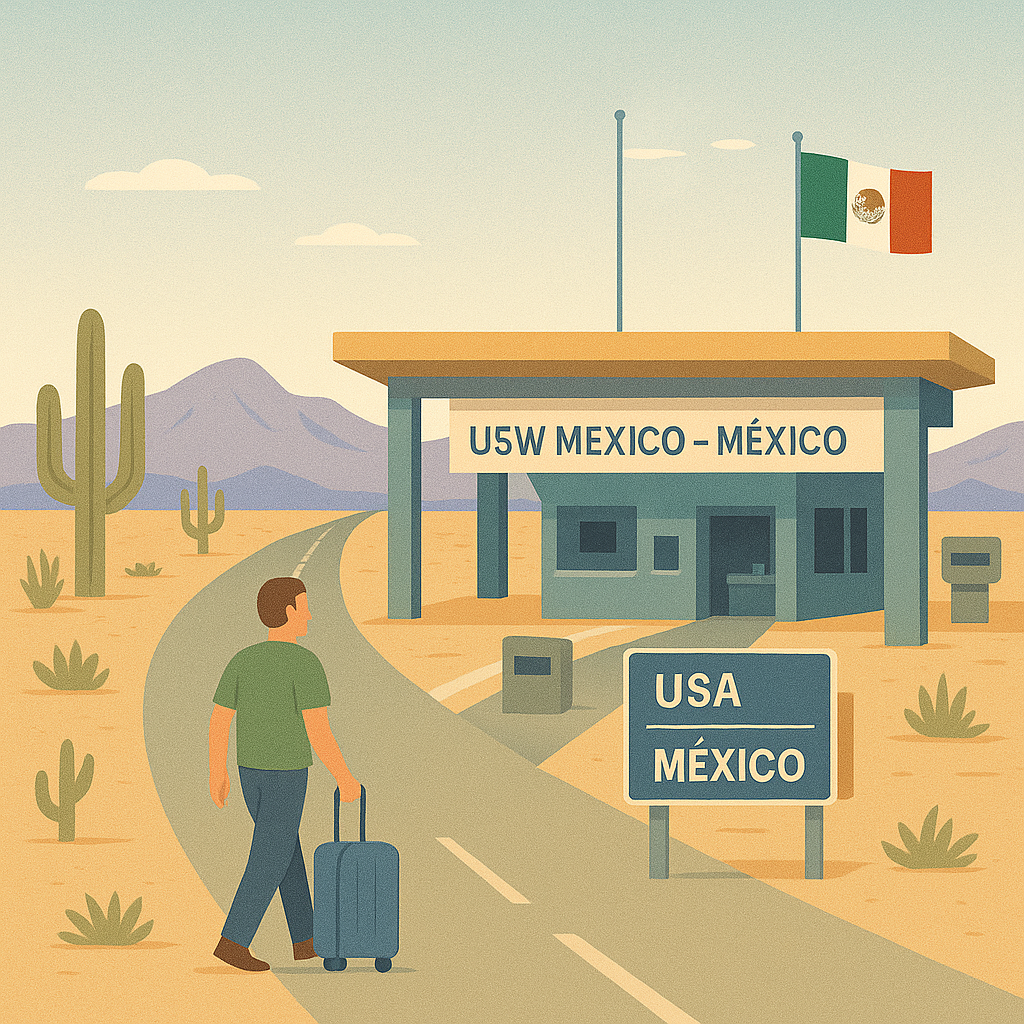
New Mexico shares a shorter stretch of border with Mexico than Texas, Arizona, or California, but it still offers key gateways for travelers heading to Chihuahua and beyond. Whether you are crossing at Santa Teresa, Columbus, or Antelope Wells, having the right Mexican auto insurance and travel medical coverage is essential for a safe 2026 road trip. This guide explains New Mexico–Mexico border crossings, free-zone and TVIP basics, and how to plan routes “near you.”
New Mexico’s border crossings are quieter than some in neighboring states, but they are important connectors between the U.S. Southwest and northern Mexico. Travelers use them for family visits, tourism, business, and long-haul drives to destinations deeper into Chihuahua and other interior states.
Each New Mexico crossing serves a distinct type of traveler. Some are better suited for local shopping and short visits; others are used by drivers heading deep into rural Mexico or linking up with long-distance routes.
| Port of entry | Nearby New Mexico community | Typical use / best for |
|---|---|---|
| Santa Teresa | Santa Teresa / Las Cruces–El Paso region | Alternative to busy El Paso crossings for commercial and passenger traffic. Often used by drivers from Las Cruces and western El Paso who want a somewhat less congested route into Chihuahua. |
| Columbus | Columbus / Deming area | Common for local traffic and tourists visiting Puerto Palomas for shopping, dining, and dental/medical services. A popular option for day trips and short drives into northern Chihuahua. |
| Antelope Wells | Very remote southwest New Mexico | One of the most remote U.S.–Mexico crossings, with limited services nearby. Occasionally used by long-distance travelers and locals; best suited for experienced drivers comfortable with rural travel. |
Because some New Mexico crossings are remote with limited nearby services, planning your fuel, lodging, and safety stops on both sides of the border is especially important.
From New Mexico, many routes quickly move beyond immediate border areas into interior Chihuahua. That can affect whether you need a Temporary Vehicle Import Permit (TVIP). Regardless of TVIP rules, you must have Mexican auto insurance when you drive in Mexico.
If your New Mexico route stays close to the border for a short visit, TVIP rules may be less of a factor—but insurance is still required. If you are planning a deeper interior drive, make sure your Mexican auto policy, potential TVIP, and travel medical coverage all align with your route and dates.
Where you live in New Mexico shapes which crossing is most practical. Use this planning snapshot to match common departure areas with likely ports of entry and route considerations.
| Departure area | Typical crossing(s) | Route & planning tips |
|---|---|---|
| Las Cruces & western New Mexico | Santa Teresa | Many drivers route south toward the Santa Teresa port to connect with roads into Chihuahua. Consider Santa Teresa as an alternative to busier El Paso crossings if you prefer a New Mexico departure point. |
| Deming & central southwest New Mexico | Columbus | Columbus is a direct option for day trips to Puerto Palomas and short visits into northern Chihuahua. Plan fuel and daylight carefully, especially on rural stretches. |
| Silver City & remote southwest areas | Columbus, Antelope Wells | Some travelers use Columbus for better access to services; Antelope Wells is very remote and best for experienced drivers with strong preparation and reliable vehicles. |
| Albuquerque & northern New Mexico | Santa Teresa (via I-25) or other regional choices | Many travelers from northern New Mexico head south on I-25 toward Las Cruces before choosing Santa Teresa or other regional crossings based on their final route into Mexico. |
When planning from a city near you, combine route timing, border office hours, and safety considerations with your Mexican auto insurance start time and any TVIP plans.
Before you leave home in New Mexico for a trip into Mexico, run through this checklist so your crossing at Santa Teresa, Columbus, or Antelope Wells goes as smoothly as possible.
With your documents, coverage, and route planning squared away, you can focus on the road and the people you are visiting rather than on last-minute paperwork at the booth.
Many travelers use the Columbus crossing for straightforward day trips to Puerto Palomas for shopping, dining, and medical or dental visits. It offers a more relaxed pace than some larger ports of entry, but you should still bring proper documents and Mexican auto insurance if you plan to drive.
No. While Santa Teresa handles significant commercial activity, it is also used by passenger vehicles. Drivers from Las Cruces and the western El Paso region often choose Santa Teresa as a less congested alternative to other crossings in the area.
Antelope Wells is one of the most remote border crossings on the U.S.–Mexico line, with limited nearby services and long stretches of rural road on both sides. It is generally best for experienced travelers who are prepared with fuel, supplies, and a well-maintained vehicle.
It depends on how far into Mexico you drive. Short trips near the border may not require a TVIP, while extended routes into interior Chihuahua and beyond often do. TVIP requirements are separate from Mexican auto insurance, which you need regardless of whether a TVIP applies.
Yes. Mexican authorities generally require liability coverage from a Mexico-licensed insurer as soon as you drive in Mexico, even if you are only going a short distance. Your U.S. policy does not substitute for valid Mexican auto insurance, so arranging coverage before you cross is strongly recommended.
Blake Insurance Group LLC is an independent insurance agency helping New Mexico drivers compare and purchase Mexican auto insurance and travel medical coverage through licensed carriers. We do not operate or manage any border crossings or government programs. Border procedures, TVIP rules, and road conditions are determined by U.S. and Mexican authorities and may change without notice. Always review your policy documents and current official guidance before you travel. Licensed insurance producer (NPN 16944666).




