Licensed Insurance Agents Compare Trusted Insurance Companies Secure & Private Online Quotes No Spam We Never Sell Your Personal Information
Talk to a licensed agent
888-387-3687
Fast Quotes • Coverage Reviews • Independent Advice
Blake Insurance Group
Modern Independent Insurance Agency
Compare coverage from trusted insurance companies with licensed agents who work for you—not a single carrier.
Skip to the classic auto insurance agency guide
Independent collector-policy guidance • Coverage comparisons • Final eligibility and pricing determined by the insurer
Request a Classic Auto Quote

Independent guidance for collector valuation, eligibility, coverage design, and policy review

Classic Auto Insurance Agency for Collector Vehicle Coverage

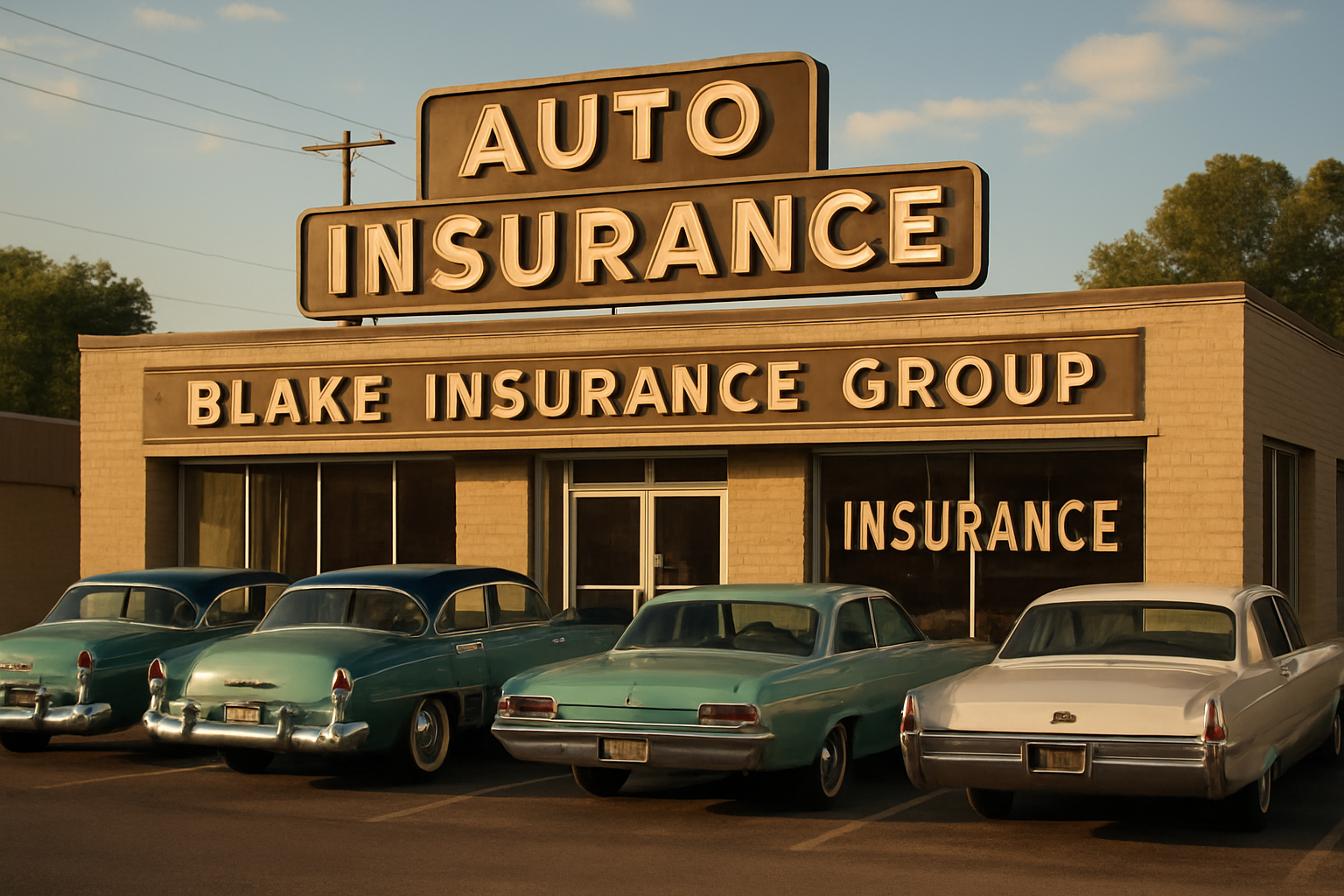
Blake Insurance Group classic auto insurance agency guidance for collector vehicles

A classic auto insurance agency helps translate a collector vehicle’s value, use, mileage, storage, drivers, and repair needs into an accurate insurance submission. The agency can review available options, explain material differences, and help maintain the policy, while the insurer controls eligibility, accepted value, premium, coverage terms, and claims decisions.

The useful goal is not to force every older car into a collector program. It is to identify the policy type that matches the vehicle you actually own and the way you actually drive it. That may be a dedicated collector form, another specialty arrangement, or standard auto coverage when the car is regular transportation.

The form gathers information for licensed review; it does not bind insurance. Insurer access, eligibility, approved value, coverage, premium, and effective dates vary by state, vehicle, applicant, and underwriting.

Classic Auto Insurance Agency Quick Facts

An agency is one participant in the insurance relationship. Separating each participant’s responsibility helps collectors understand what an agent can do, what requires underwriting approval, and what the policyholder must continue reporting.

Who handles each part of a collector insurance transaction?
ParticipantPrimary roleImportant limitation
Independent agencyCollects risk details, discusses coverage goals, seeks available proposals, explains differences, submits changes, and assists with service.Cannot promise insurer acceptance, claim payment, a particular price, or access to every company.
Insurance companyUnderwrites the risk, approves or rejects the vehicle value, issues the contract, sets premium under approved rules, and decides claims.Only the issued policy and endorsements establish coverage; advertising summaries do not.
Program administratorMay manage specialty underwriting, billing, service, or claims on behalf of an insurer.The administrator’s brand may differ from the legal insurer named on the declarations.
Appraiser or valuation sourceProvides an opinion or market evidence about condition and value.An appraisal or guide does not automatically bind the insurer or alter the settlement clause.
PolicyholderProvides accurate information, pays premium, follows policy duties, protects the vehicle, and reports material changes.Omitted drivers, mileage, use, storage, modifications, or location can affect underwriting and claims.
Repair or restoration shopEstimates and performs authorized work on the vehicle.Shop selection does not automatically require the insurer to pay every labor rate, part, method, or charge.

Blake Insurance Group is an independent insurance agency, not an insurance company. Independence means the agency can evaluate available paths rather than acting as one insurer. It does not guarantee multiple proposals, statewide product availability, or an appointment with every collector insurer.

What a Classic Auto Insurance Agency Should Do

A useful collector-insurance conversation begins with facts rather than a carrier name. The agent should understand the vehicle, determine how it is used, identify likely eligibility barriers, ask what the owner expects after a loss, and compare available proposals using consistent inputs.

Classify the vehicle

A model year alone is not enough. The agency should identify whether the risk is an antique, classic, modern collectible, muscle car, hot rod, restomod, replica, kit car, exotic, imported vehicle, vintage truck, motorcycle, military vehicle, or active restoration.

Describe use accurately

The submission should distinguish pleasure driving, shows, club activities, parades, maintenance trips, tours, occasional errands, commuting, business use, delivery, rideshare, racing, track instruction, and transport.

Build the value request

Photos, purchase records, condition, originality, restoration receipts, build sheets, appraisals, provenance, modifications, and comparable sales help support the requested amount.

Check storage and drivers

Underwriting may consider the garaging address, structure, security, weather exposure, household members, intended operators, driving records, claims, and access to regular-use vehicles.

Match coverage terms

A sound comparison aligns valuation method, accepted value, liability limits, uninsured-motorist choices, medical benefits, deductibles, use, mileage, storage, and optional features.

Document the final decision

The agency should provide or help identify the application, proposal, declarations, policy, endorsements, billing, effective date, and outstanding requirements. The policyholder should retain copies.

What an agency should not promise

An agency should not guarantee that a vehicle qualifies, that a requested value will be accepted, that a loss will be paid, that a particular shop estimate will be approved, or that a preliminary price is final. It should not call a carrier “best” or “cheapest” without a current, fair methodology. It should not imply a carrier appointment, office location, discount, or state availability that has not been confirmed.

Why accurate intake matters

The National Association of Insurance Commissioners advises consumers to provide the same information for each auto quote. For collectors, the detail is greater because value, mileage, use, storage, condition, modifications, and household transportation can determine whether the risk belongs in the program at all. A fast incomplete quote is less valuable than a clear, comparable proposal.

Agency service after purchase

The policy should evolve with the car. The agency can help submit value changes, new drivers, storage moves, restoration milestones, modifications, additional purchases, lienholder updates, and policy reviews. The insurer must approve changes. A phone call or email request does not necessarily alter coverage until the change is confirmed.

How the Agency Helps With Collector Vehicle Value

Ordinary vehicles are often evaluated with broad age, mileage, condition, and comparable-sale data. A collector may require more specific evidence because originality, scarcity, provenance, restoration quality, special equipment, and current enthusiast demand can materially affect value.

Questions the agency should help clarify about valuation
Valuation methodGeneral conceptQuestion to answer in writing
Agreed valueThe owner and insurer approve a vehicle amount when coverage is written or renewed.What amount forms the basis of a covered total-loss settlement, and what deductible or contract limitation applies?
Stated value or stated amountA figure is listed, but another loss-settlement method may still apply.May payment be the lower of the stated amount, actual cash value, repair cost, or another amount defined by the form?
Actual cash valueThe insurer determines the vehicle’s value at the time of loss under the policy method.How will condition, depreciation, restoration, modifications, comparable sales, and prior damage be evaluated?
Appraisal-supported amountA qualified appraiser documents configuration, condition, and a value opinion.Is an appraisal required, how recent must it be, who may prepare it, and does it change policy wording?

Agreed value is not sentimental value

A car may carry memories that no policy can replace. Agreed value concerns the amount accepted for insurance under the contract; it does not reimburse unlimited emotional value. The insurer can request support, approve a different number, decline the risk, or require updated documentation.

Create a reusable value file

Keep exterior, interior, dashboard, odometer, vehicle identification number, engine-bay, trunk, wheel, undercarriage, and existing-damage photos. Save the bill of sale, title, build sheet, window sticker, factory records, restoration invoices, parts receipts, appraisal, provenance, awards, and useful comparable sales. Store copies away from the vehicle.

Review the value as work progresses

A project may gain value after an engine rebuild, body work, paint, interior completion, rare-parts acquisition, or another major phase. Spending does not automatically equal market value. Ask whether a restoration endorsement provides incremental protection, whether scheduled reports are required, and when the declarations must be updated.

Total and partial losses require different questions

The scheduled value does not explain every repair. Compare shop choice, owner-performed work, labor rates, original equipment, new old stock and reproduction parts, fabrication, paint matching, betterment, depreciation, diminished value, transportation, salvage, and repair-versus-total-loss provisions. The agent can explain the form, but the insurer decides the claim under the contract and facts.

Coverage a Classic Auto Insurance Agency Should Review

“Full coverage” is not a standardized policy term. A collector proposal should identify each coverage, limit, deductible, exclusion, endorsement, and service. State-required options and rejection forms must also be handled correctly.

Liability

Helps respond to covered bodily injury and property damage for which an insured is legally responsible. It does not cover physical damage to the collector. Review state minimums, assets, passengers, event use, and umbrella requirements.

Collision

May address covered impact or overturn damage, subject to the policy and deductible. Ask how specialty labor, shop selection, parts, repair methods, prior damage, and incomplete restoration are handled.

Comprehensive

May address covered theft, fire, vandalism, glass, hail, wind, flood, falling objects, or animal contact. Maintenance, rust, corrosion, mechanical breakdown, wear, and gradual deterioration are different issues.

UM/UIM and medical coverage

Uninsured or underinsured motorist, personal injury protection, and medical payments requirements vary by state. Review every selection or rejection and how multiple vehicles or policies interact.

Spare parts and tools

Some forms include limited protection or offer higher limits for eligible parts. Verify ownership, inventory, location, covered causes, deductible, tools, automobilia, and parts intended for vehicles not on the policy.

Restoration coverage

A project form may recognize increasing value or disassembled components. Confirm work location, shop custody, owner-performed labor, automatic increases, reporting, photographs, receipts, maximums, and renewal treatment.

Roadside and towing

Collector programs may offer flatbed or soft-strap services, reimbursement, or membership benefits. Verify dispatch requirements, vendor choice, distance, destination, limits, overages, trailer coverage, and whether it is insurance or a service plan.

Trip and evacuation

Some programs offer trip interruption, evacuation, or emergency transport protection. Ask what event triggers coverage, which expenses qualify, what distance or waiting period applies, and whether receipts are required.

Salvage and new purchases

Do not assume you may keep a totaled vehicle without reducing payment, or that a new acquisition is automatically covered. Confirm salvage, title, notice deadline, temporary limit, deductible, premium, and eligibility.

Use, mileage, and events

Some collector forms are limited to pleasure driving, exhibitions, club activities, parades, and maintenance. Others offer mileage tiers or broader occasional use. Multi-day tours, overnight travel, errands, commuting, business use, commercial display, paid appearances, weddings, racing, autocross, track instruction, and timed events require specific review.

Trailers and transport

The collector policy may not insure the trailer, tow vehicle, hauling liability, or every loading and transit loss. A commercial transporter’s certificate does not create coverage or show every exclusion. Identify who has custody, what cargo limit applies, and which party is responsible before the vehicle moves.

Weather and storage

A vehicle that is driven rarely can still face theft, fire, hail, hurricane wind, flood, wildfire, earthquake, falling objects, pests, and battery or electrical problems. Only covered causes are insured. Ask how the storage structure, address, alarms, fire protection, seasonal location, and catastrophe deductible affect the proposal.

How an Independent Agency Should Compare Proposals

Independence is useful only when the comparison is disciplined. A lower premium can reflect a lower vehicle value, narrower use, higher deductible, fewer drivers, lower liability limits, a different settlement method, or missing collector features. The agency should normalize the important inputs and call out remaining differences.

Use consistent inputs when comparing available collector policies
Comparison itemWhat should matchWhat can remain different
Legal providerState, applicant, ownership, named insured, garaging address, and effective-date request.Insurer, administrator, contract, claims operation, and agency access.
Vehicle valueRequested amount and supporting condition, restoration, modification, and appraisal facts.Approved amount, valuation language, inflation feature, deductible, and salvage treatment.
Road useExpected mileage, pleasure driving, shows, tours, errands, commuting, business, transport, and track facts.Mileage tier, permitted-use language, territory, and reporting requirements.
Liability and injuryRequested bodily injury, property damage, UM/UIM, PIP, medical payments, and umbrella-compatible limits.State forms, stacking or non-stacking provisions, deductibles, definitions, and exclusions.
Physical damageRequested comprehensive and collision protection with comparable deductibles.Covered causes, appraisal, repair, parts, shop, salvage, glass, and transportation terms.
Collector featuresThe owner’s stated need for parts, tools, restoration, roadside, trips, evacuation, events, and new acquisitions.Included limits, optional endorsements, membership benefits, conditions, and price.
Total costSame policy period and payment assumption.Premium, fees, installment charges, memberships, service plans, and discounts.

Carrier names are not a complete comparison

The same carrier group can use different underwriting companies, forms, administrators, and endorsements by state. A well-known specialty brand does not guarantee that every feature applies to your proposal. The declarations page should identify the legal insurer, insured vehicle, value, limits, deductibles, and endorsements.

Standard auto may be the right answer

Collector policies often require limited use, secure storage, acceptable drivers, and regular household transportation. A classic used for a daily commute, school, frequent errands, delivery, or business may belong on a standard or different specialty policy. Choosing the correct form is more important than forcing an “agreed value” label onto an ineligible use.

Price comes after coverage alignment

Premium is important, but the cheapest proposal is not equivalent when its valuation, limits, use rules, or options differ. The agency should first align protection and disclose the tradeoffs. Then the client can consider deductibles, mileage tiers, optional benefits, billing plans, security measures, and verified discounts without creating avoidable gaps.

Confirm licensing and availability

Before paying, verify that the insurer and producer are authorized for the state through the applicable insurance department. Carrier appointments, program access, and product availability change. A website page or prior quote should never be treated as proof that a specific policy is available today.

How to Request a Classic Auto Insurance Quote

A complete submission helps the agency identify likely eligibility and compare available paths efficiently. It also creates a baseline for future reviews.

Identify the vehicleGather year, make, model, trim, vehicle identification number, title status, purchase date, mileage, engine, transmission, factory equipment, and registration.
Support the valueProvide the requested amount, purchase information, photographs, condition, originality, prior damage, appraisal, comparable sales, and restoration receipts.
List modificationsDocument engine, drivetrain, suspension, brakes, body, paint, wheels, tires, interior, electrical, fuel-system, performance, and safety changes.
Explain actual useEstimate annual mileage and identify shows, tours, club events, pleasure trips, errands, vacation, commuting, business, track activity, racing, and transport.
Describe storageGive the true garaging address, structure, security, access, weather exposure, seasonal location, trailer arrangements, and restoration-shop custody.
List drivers and daily vehiclesInclude household members, intended operators, licenses, claims, violations, current insurance, and regular-use transportation.

Before coverage is bound

  • Confirm the legal insurer, administrator when applicable, named insured, vehicle description, ownership, lienholder, drivers, garaging address, policy period, and written effective date.
  • Verify the valuation method, accepted amount, appraisal requirement, comprehensive and collision deductibles, total-loss provision, and salvage treatment.
  • Review liability limits, state-required coverages, uninsured or underinsured motorist selections, personal injury protection, medical payments, and umbrella coordination.
  • Read every mileage, use, event, commute, business, racing, track, transport, storage, driver, household-vehicle, modification, and territory restriction.
  • Identify which spare-parts, tools, restoration, towing, roadside, trip, evacuation, new-purchase, and other features are included or optional.
  • Calculate the full policy-period premium, policy fees, installment charges, membership or service-plan cost, discounts, and payment schedule.
  • Complete signatures, photographs, appraisals, inspections, payment, and all underwriting requirements.
  • Do not cancel existing insurance until replacement coverage and its effective date are confirmed in writing.

Policy review after issuance

Compare the final declarations and endorsements with the application and requested proposal. Report errors immediately. Contact the agency before moving the vehicle, changing storage, adding a driver, increasing mileage, beginning a commute, using the car for business, modifying it, reaching a restoration milestone, buying another collector vehicle, changing ownership, or attending a track event.

Agency assistance after a claim

The insurer controls claim decisions, but the agency can help identify reporting channels, policy documents, coverage contacts, and requested records. Protect people first, contact emergency services when appropriate, prevent reasonable additional damage without taking unsafe action, document the loss, preserve parts, report theft to law enforcement, and keep towing, storage, and repair records.

If you searched for a classic auto insurance agency near me, prioritize state licensing, collector-policy knowledge, accurate submission, and ongoing service rather than assuming the closest office has access to the right program.

Classic Auto Insurance Agency FAQs

What does a classic auto insurance agency do?

The agency gathers vehicle and household information, discusses coverage goals, submits the risk to available markets, explains proposal differences, helps complete policy changes, and assists with service. The insurer controls eligibility, price, accepted value, contract terms, and claims.

Is Blake Insurance Group an insurance company?

No. Blake Insurance Group is an independent insurance agency. Any policy is issued by the insurer named on the declarations. Access to insurers and collector programs varies by state, applicant, vehicle, and current agency relationships.

Can an independent agency compare every classic-car insurer?

No. Independent agencies do not automatically represent every insurer. Appointments and program access change. The agency can evaluate available options and may identify another path, but it should not imply access that has not been confirmed.

How old must my car be to qualify?

There is no single age that guarantees collector eligibility. Insurers may consider age, collectibility, condition, rarity, value, use, mileage, storage, drivers, household transportation, modifications, title, and state. Some newer limited-production or specialty vehicles may qualify.

Will the agency determine my car’s agreed value?

The agency can help assemble information and discuss the request, but the insurer must approve the value. An appraisal, value guide, receipt total, or purchase price does not automatically bind the insurer or alter the policy’s settlement language.

Can I use collector insurance for daily driving?

Many collector programs limit or prohibit commuting, school use, routine errands, and everyday transportation. Some offer broader mileage or occasional-use options. Disclose the actual driving pattern so the agency can seek a policy that fits.

Does a quote form bind insurance?

No. Submitting information starts a review. Coverage is not effective until the insurer or an authorized representative confirms acceptance, all requirements are satisfied, and a written effective date is established.

What should I report after the policy starts?

Report changes in value, modifications, use, mileage, drivers, household vehicles, storage, garaging address, ownership, lienholder, restoration status, business activity, racing, track use, and additional collector purchases before relying on coverage.

Related resources

Build the Submission Around the Collector Vehicle You Actually Own

Provide accurate value, use, mileage, driver, storage, and modification details so available policy options can be reviewed on consistent terms.

A request does not guarantee eligibility, insurer access, a proposal, price, coverage, or an effective date.

Reviewed by Blake Nwosu
Owner and Principal Agent, Blake Insurance Group • National Producer Number 16944666
About Blake Nwosu

Insurance disclosure: This page provides general educational information, not a binder, policy, appraisal, legal opinion, claims decision, or personalized coverage recommendation. Policy forms, valuation, eligibility, underwriting, mileage and use rules, storage, drivers, limits, deductibles, discounts, premiums, claims practices, and availability vary by insurer, applicant, state, and vehicle. Read the issued contract.

Independent agency notice: Blake Insurance Group is an independent insurance agency and is not affiliated with one insurance company. Independence does not mean access to every insurer. A quote request does not guarantee carrier availability, eligibility, price, savings, coverage, or acceptance of a requested vehicle value.

Blake Insurance Group
Call: (888) 387-3687 Email: info@blakeinsurancegroup.com Mon–Fri 9:00–5:00
Blake Nwosu, Owner and Principal Agent
Blake Nwosu Owner & Principal Agent

Expert in personal and commercial insurance, including auto, home, business, health, and life insurance.

License: 16117464

Bio: blakeinsurancegroup.com/blake-nwosu/

★★★★★ Google reviews Loading…
Share: Facebook icon X (Twitter) icon LinkedIn icon Email icon



